










Kidney stone disease, also known as urolithiasis, is one of the most common pathologies affecting the kidneys. It occurs in people of all ages, from early childhood to old age, and remains a serious medical and quality-of-life issue worldwide. Today, patients suffering from urolithiasis make up nearly half of all individuals who seek urological medical assistance.

The treatment of kidney stone disease requires comprehensive knowledge of modern diagnostic methods, rational approaches to managing urolithiasis, and contemporary principles for stone removal. However, despite advances in medicine, kidney stones continue to cause severe pain and recurring complications, which is why many people seek both medical and supportive natural remedies to alleviate symptoms and prevent recurrence.
Causes of Kidney Stone Disease
The primary cause of kidney stone disease is often congenital. It is usually associated with metabolic disorders that lead to the formation of insoluble salts in the urine. Over time, these salts crystallize and form stones in the kidneys or urinary tract.
There are also many cases in which a person has a genetic predisposition to kidney stones, but the disease does not develop unless certain contributing factors are present. These factors play a crucial role in triggering stone formation and accelerating the progression of the disease.
One of the most significant contributing factors is climate. People living in hot climates tend to sweat much more than those in moderate regions. As a result, fluid loss increases, urine becomes more concentrated, and the concentration of certain salts in the body rises. This creates ideal conditions for kidney stones to form.
Geographical factors also play an important role. The chemical composition of drinking water is particularly influential. Hard water that is rich in calcium salts significantly increases the risk of urolithiasis. Dietary habits also matter: spicy and acidic foods raise urine acidity, which makes stone formation more likely and faster.
A lack of ultraviolet exposure and deficiencies in essential vitamins can also contribute to kidney stone formation. In addition, bone-related conditions such as osteomyelitis and osteoporosis increase calcium release into the bloodstream, further raising the risk.
Chronic gastrointestinal diseases are another important factor. Conditions such as chronic gastritis, colitis, and peptic ulcer disease disrupt normal absorption and metabolism of minerals, which may lead to imbalances that favor stone formation.
Severe dehydration is another major risk factor. Dehydration may occur as a result of poisoning, prolonged vomiting, diarrhea, or infectious diseases. When the body lacks sufficient fluids, urine becomes highly concentrated, allowing crystals to form more easily.
Diseases of the kidneys and urinary tract also significantly increase the likelihood of developing kidney stones. These include pyelonephritis, hydronephrosis, nephroptosis (kidney prolapse), cystitis, prostate adenoma, prostatitis, and other inflammatory or structural disorders of the urinary system.
Personal Experience with Kidney Stones
I have had kidney stones for many years. I have experienced stone passage multiple times, and anyone who has gone through it knows how unbearable the pain can be. It is the kind of pain that makes you wish for anything just to make it stop. There were moments when it felt truly impossible to endure.
Once, I had an acute kidney stone attack while at work. The pain was so intense that my colleagues had to call an ambulance. Before the doctors administered two ampoules of Baralgin, my groans could be heard throughout the entire building. I was completely incapacitated by the pain.
After that episode, I was granted a week off from work to recover. Even after the acute pain subsided, I felt weak and frightened, constantly worrying about when the next attack might occur. Living with the fear of recurring kidney stones is emotionally exhausting and deeply affects everyday life.
When I returned to work, one of my colleagues shared a herbal infusion recipe with me. She confidently told me that after using this remedy, I would never experience kidney stone passage again. At first, I was skeptical, but I had already tried so many things without lasting success that I decided to trust her advice.
To this day, I am deeply grateful to that woman. This remedy changed my life and helped me regain control over my health. That is why I decided to share this recipe with you, hoping it may help others who are suffering from the same condition.
A Time-Tested Herbal Remedy for Kidney Stone Passage
This natural remedy is simple, affordable, and based on traditional herbal medicine that has been used for generations. The ingredients are known for their diuretic, anti-inflammatory, and stone-supportive properties, which help the body eliminate stones more gently and reduce discomfort during the process.
To prepare the remedy, mix the following ingredients thoroughly:
One teaspoon of crushed corn silk
One teaspoon of bearberry leaves
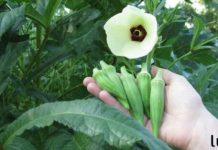
One teaspoon of bean pods
Once the herbs are mixed, take 40 grams of the mixture and pour one liter of boiling water over it. Place the mixture in a covered container and allow it to steep until it cools completely. Afterward, strain the liquid carefully.
Divide the prepared infusion into six portions and drink it throughout the day. It is recommended to consume it gradually rather than all at once, allowing the herbs to work consistently over time.
Why This Remedy Works
Corn silk is well known for its diuretic properties. It helps increase urine flow, reduces irritation in the urinary tract, and supports the elimination of small stones and sand. Bearberry is a powerful natural antiseptic that helps reduce inflammation and prevent infections in the urinary system. Bean pods contribute to improved kidney function and assist in regulating mineral balance.
Together, these herbs support the kidneys, reduce pain and inflammation, and facilitate the natural passage of stones. While this remedy does not replace medical treatment, it can be an effective complementary approach for those who suffer from recurrent kidney stones.
Important Notes and Precautions
Although this remedy is based on natural ingredients, it is important to remember that every organism reacts differently. People with chronic illnesses, pregnant women, and those taking prescription medications should consult a healthcare professional before using any herbal treatment.
In cases of severe pain, high fever, blood in the urine, or urinary obstruction, immediate medical attention is essential. Kidney stones can lead to serious complications if not managed properly.
Conclusion
Kidney stone disease is a widespread and painful condition that affects millions of people worldwide. While modern medicine offers effective diagnostic and treatment options, supportive natural remedies can play a valuable role in symptom relief and prevention.
This time-tested herbal infusion, which I have personally used and benefited from, offers a simple and natural way to support kidney health and ease the passage of stones. My experience taught me that sometimes the most effective solutions come from traditional knowledge passed down through personal experience.
If this remedy helps even one person avoid the unbearable pain that kidney stones cause, then sharing it is more than worthwhile. Taking care of your kidneys means taking care of your overall well-being, and with the right approach, it is possible to live a healthier, more comfortable life.