










Fatty liver disease is closely associated with obesity, high cholesterol levels, and high blood pressure. Although this condition is often difficult to detect in its early stages, there are certain warning signs that should not be ignored, as they may indicate the presence of fatty liver disease. People who regularly consume large amounts of alcohol are particularly prone to developing fatty liver. However, it is important to note that alcoholism is not the only risk factor associated with this condition. In recent years, non-alcoholic fatty liver disease has become increasingly common, especially due to modern lifestyles and dietary habits.
Fatty liver disease occurs when excess fat accumulates in liver cells, impairing the organ’s ability to function properly. The liver plays a crucial role in detoxification, metabolism, digestion, and nutrient storage. When it becomes overloaded with fat, these vital processes are disrupted, which can eventually lead to inflammation, liver damage, and even cirrhosis if left untreated.
Other Contributing Risk Factors Include:
Diabetes mellitus, particularly type 2 diabetes
Obesity or being overweight
An unhealthy diet high in refined carbohydrates and saturated fats
High cholesterol and elevated triglyceride levels
A sedentary lifestyle
Insulin resistance
Metabolic syndrome
Because fatty liver disease often develops silently, many people are unaware that they have it until the condition progresses. This is why understanding the early warning signs is essential.
5 Signs of Fatty Liver Disease
In most cases, liver steatosis does not present obvious symptoms. In other words, without proper medical examination, identifying the disease can be quite difficult. Many individuals discover they have fatty liver disease incidentally during routine checkups or imaging tests performed for unrelated reasons.
Several diagnostic tests can help detect fatty liver disease:
Blood tests to measure liver enzymes
Liver ultrasound (sonogram)
Liver biopsy in more advanced or unclear cases
Although fatty liver disease often lacks clear symptoms, there are several warning signs that should prompt closer attention.
1. Abdominal Pain
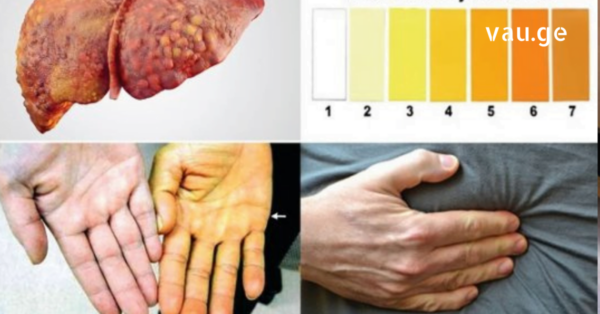
Abdominal pain associated with fatty liver disease does not usually occur in isolation. Instead, it appears alongside other uncomfortable sensations. People typically experience pain or discomfort in the center or upper right side of the abdomen, where the liver is located.
This discomfort often becomes more noticeable after eating. As the stomach expands during digestion, it puts pressure on an enlarged liver, leading to pain or a feeling of heaviness. While the pain may be mild at first, persistent discomfort in this area should not be ignored, especially if it is accompanied by other symptoms.
2. Bloating
Another possible warning sign of fatty liver disease is bloating. This occurs due to the accumulation of fluid between the visceral and parietal peritoneum, a condition often linked to liver dysfunction. When the liver struggles to function properly, it can lead to fluid retention and digestive disturbances.
Symptoms associated with bloating include:
Indigestion
A visibly “swollen” or distended abdomen
Shortness of breath due to abdominal pressure
Lower back pain
Swelling of the ankles or feet in some cases
Bloating related to liver disease is often persistent and does not improve easily with dietary changes alone, making it an important symptom to recognize.
3. Fatigue
One of the most common warning signs of fatty liver disease is persistent fatigue and a lack of energy. When the liver is unable to perform its metabolic functions efficiently, the body’s overall metabolism slows down. This can result in unexplained tiredness that does not improve with rest.
In addition to physical exhaustion, individuals may experience difficulty concentrating, mental fog, and occasional confusion. These symptoms can interfere with daily activities and reduce overall quality of life. Chronic fatigue should always be evaluated, especially when combined with other signs of liver dysfunction.
4. Dark Urine
Urine can reveal important clues about underlying health problems. Since urine helps remove toxins from the body, changes in its color or smell can indicate metabolic or liver-related issues.
In cases of fatty liver disease, urine may appear darker than usual. This change is often due to the liver’s reduced ability to process bilirubin properly. Stool color may also change, becoming lighter than normal or developing a stronger, more unpleasant odor.
These changes suggest that the liver is not effectively eliminating waste products, which can be an early sign of liver stress or damage.
5. Skin Changes
Another significant warning sign of fatty liver disease involves changes in the skin. One of the most notable skin-related symptoms is the appearance of jaundice. This condition causes yellowing of the skin and mucous membranes due to increased levels of bilirubin accumulating in the tissues.
Other skin changes associated with fatty liver disease include:
Fragile capillaries that break easily
Darkened or discolored skin on the neck and arms
White spots under the fingernails
Itchy skin due to bile salt accumulation
These visible changes often indicate more advanced liver dysfunction and should prompt immediate medical evaluation.
Diet and Fatty Liver Disease
Once fatty liver disease has been diagnosed, the next crucial step is initiating proper treatment. In addition to medications prescribed by a doctor, following a low-fat, balanced diet is essential for improving liver health and preventing disease progression.
Diet plays a central role in both the development and management of fatty liver disease. Making the right dietary choices can significantly reduce liver fat, improve enzyme levels, and restore normal liver function over time.
Here Are Some Important Dietary Guidelines:
Reduce the intake of refined foods. This group includes white flour, pastries, processed snacks, and white sugar. Instead, choose whole grains such as brown rice, oats, and whole wheat products.
Avoid alcohol. Alcohol is one of the liver’s greatest enemies. Excessive alcohol consumption can worsen fatty liver disease and increase the risk of liver inflammation, fibrosis, and cirrhosis. Even moderate drinking can be harmful for individuals with existing liver conditions.
Be cautious with certain medications. Some medications can put additional strain on the liver. Always consult your doctor to determine which medications may worsen your condition or require dosage adjustments.
Increase physical activity. Exercise is an excellent way to support healthy liver function. Experts recommend engaging in physical activity at least three times per week. Both aerobic exercises, such as walking or swimming, and strength training can help reduce liver fat and improve insulin sensitivity.
Maintain a healthy weight. Gradual and sustainable weight loss is one of the most effective treatments for fatty liver disease. Rapid weight loss should be avoided, as it can actually worsen liver inflammation.
Stay hydrated. Drinking enough water helps support metabolic processes and aids the liver in detoxification.
Include liver-friendly foods. Foods rich in antioxidants, such as leafy greens, berries, nuts, and fatty fish, can help reduce inflammation and oxidative stress in the liver.
The Importance of Early Detection
Fatty liver disease is often reversible when detected early. Lifestyle changes, particularly improvements in diet and physical activity, can significantly reduce liver fat and restore normal liver function. However, if left untreated, fatty liver disease can progress to non-alcoholic steatohepatitis (NASH), fibrosis, and eventually cirrhosis, which is irreversible and life-threatening.
Regular health checkups, blood tests, and imaging studies are essential for individuals at higher risk, including those with obesity, diabetes, or metabolic syndrome. Awareness of the warning signs can make a critical difference in preventing long-term complications.
Conclusion
Fatty liver disease is a silent but serious condition that affects millions of people worldwide. Although it may not cause noticeable symptoms in its early stages, there are clear warning signs that should not be overlooked. Abdominal pain, bloating, chronic fatigue, dark urine, and skin changes can all indicate underlying liver problems.
By recognizing these symptoms early and making appropriate lifestyle changes, it is possible to protect your liver, improve your overall health, and prevent serious complications. A balanced diet, regular exercise, avoidance of alcohol, and medical guidance are key components of effective management.
Taking care of your liver means taking care of your entire body. Early awareness, informed choices, and consistent self-care can make all the difference in maintaining long-term health and well-being.