















Migraine is one of the most common chronic neurological conditions in the world. It is primarily hereditary and is characterized by severe headaches, reduced work capacity, and significant disruption to daily life. According to the World Health Organization, over one billion people suffer from migraines globally. In terms of years lived with disability, migraine ranks third, following lower back pain and depression. Women are affected three times more often than men, and the condition usually begins in childhood, although it can manifest at any age. Migraines can significantly impact productivity, social interactions, and overall quality of life.
What Is a Migraine?
The most common type of migraine is the migraine without aura, also called typical migraine. This type of migraine is divided into three main phases:
1. Prodrome (Premonitory Phase)
The prodrome phase occurs several hours to a day before the actual migraine attack. During this phase, the person may experience early warning signs, such as:
General weakness and fatigue
Decreased concentration and mental clarity
Yawning
Sensitivity to light (photophobia)
Irritability and mood changes
Constipation
These symptoms act as an early indicator of an impending migraine attack, giving the person some time to prepare.
2. Headache Phase
The headache phase is characterized by a pulsating or throbbing pain, usually on one side of the head, and can last from 4 to 72 hours. The intensity of pain ranges from moderate to severe and is often accompanied by:
Nausea and vomiting
Sensitivity to light, sound, and odors
Dizziness
Ringing in the ears (tinnitus)
Cognitive difficulties
During this phase, people often limit their usual activities. Many prefer to rest in a quiet, dark room. Some find relief by applying a warm or cold compress to the forehead or massaging the scalp.
3. Postdrome (Resolution Phase)
After the headache subsides, the postdrome phase begins. Most patients experience lingering symptoms, such as:
Anxiety or irritability
Mood swings or low energy
Sleepiness
Frequent urination
Cravings for sweets
Muscle weakness and stiffness
Neck pain and tension
This phase can last several hours to a day, and while the migraine pain may have ended, the body continues to recover from the attack.
How to Quickly Relieve Migraine Pain
Modern medicine offers several treatments for migraine, including painkillers and preventive medications. However, many people are interested in natural methods that are safe, effective, and easy to use at home. One such method has been reported to provide rapid relief from migraine pain without the need for medication. This method uses a single, simple ingredient that is often available in every kitchen: high-quality salt, specifically Himalayan pink salt.
Why Himalayan Salt?
Himalayan pink salt is considered one of the healthiest salts in the world. Unlike regular table salt, it contains 84 minerals and trace elements, including essential electrolytes. For comparison, scientists recognize 118 elements in total on Earth, which makes this mineral-rich salt truly remarkable.
The benefits of Himalayan salt include:
Reducing migraine symptoms
Supporting the immune system
Increasing energy levels
Balancing serotonin levels in the blood
Restoring the body’s acid-base and electrolyte balance
This combination of effects makes Himalayan salt a natural ally in relieving migraine attacks and inflammation-related pain.
Simple Recipe for Migraine Relief
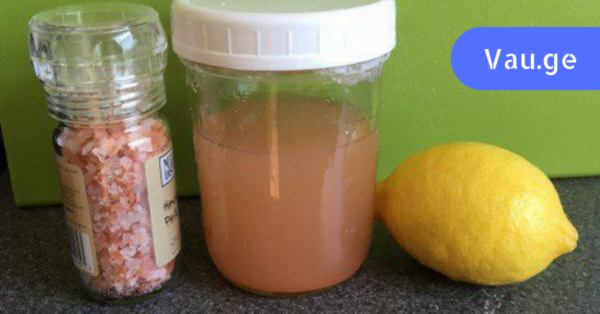
This method is straightforward and easy to implement. All you need is:
1 glass of water
Juice of half a lemon
½ teaspoon of high-quality Himalayan salt
Instructions:
Pour a glass of clean, filtered water.
Squeeze in the juice of half a fresh lemon.
Add ½ teaspoon of Himalayan salt.
Stir thoroughly until the salt is dissolved.
Drink the mixture slowly.
Many people report that this natural remedy can stop migraine pain almost immediately. The combination of electrolytes from the Himalayan salt and vitamin C from the lemon helps restore the body’s balance, reduce inflammation, and stabilize nerve function, which together can relieve the throbbing headache.
Why This Works
Migraines often occur due to electrolyte imbalance, dehydration, and inflammation. Himalayan salt provides essential minerals that help restore electrolyte levels, while lemon juice provides antioxidants and vitamin C, which reduce oxidative stress. Together, they support:
Blood vessel health
Nervous system function
Proper hydration
Reduction of inflammatory responses in the body
This method is particularly effective because it addresses some of the root causes of migraine rather than just masking the pain temporarily.
Additional Tips for Migraine Prevention
While this remedy can relieve acute migraine attacks, long-term prevention is equally important. Consider the following strategies:
Stay hydrated: Dehydration can trigger migraines. Drink enough water throughout the day.
Eat a balanced diet: Include whole grains, lean proteins, fresh fruits, and vegetables. Avoid processed foods, excessive sugar, and unhealthy fats.
Maintain regular sleep patterns: Poor sleep is a known migraine trigger. Aim for 7–9 hours of quality sleep per night.
Manage stress: Practice relaxation techniques such as deep breathing, meditation, or yoga. Stress is one of the most common triggers for migraine attacks.
Exercise regularly: Moderate physical activity improves circulation and reduces the frequency of migraine attacks.
Monitor triggers: Keep a migraine diary to track food, weather, sleep, and stress patterns that may precipitate attacks.
When to Seek Medical Advice
Even natural remedies like the Himalayan salt and lemon mixture should be used responsibly. Consult a healthcare professional if:
Migraines are frequent or worsening
Pain is accompanied by visual disturbances, numbness, or weakness
You have other underlying medical conditions such as high blood pressure or kidney problems
Natural remedies can complement, but not replace, professional medical treatment.
Conclusion
Migraine is a complex neurological condition, but simple home remedies can provide significant relief. Using Himalayan salt and lemon water is an effective, natural, and safe approach for many people. Combined with lifestyle changes, proper hydration, and a balanced diet, this method can reduce migraine frequency, alleviate pain, and improve overall well-being.
This easy, inexpensive remedy is particularly appealing because it uses ingredients that are often already available in your kitchen, making it accessible to almost everyone. By taking a holistic approach to migraine management, it is possible to regain control over your health, reduce dependence on medications, and enjoy a better quality of life.
Try it today, and you may be surprised at how quickly your migraine symptoms improve!