


Environmental pollution, physical inactivity, unhealthy eating habits, smoking, and chronic stress—these are just a few of the many factors that negatively affect our health today. Although we often talk about healthy nutrition and lifestyle choices, very few people actually ask themselves how many calories they consume daily or what their cholesterol levels are. This is especially true for men, who statistically pay less attention to preventive health care. As a result, elevated cholesterol levels are very common, and as is well known, high cholesterol is one of the main causes of cardiovascular diseases.
However, cholesterol itself should not be viewed as something entirely harmful. On the contrary, it is a vital substance for the human body and can be described as the “building material” of cells. Cholesterol is essential for the production of many hormones, including sex hormones, as well as vitamin D. Without cholesterol, the body would not be able to function properly.
About 80% of cholesterol is synthesized naturally in the body through metabolic processes, while only 20% comes from food. Problems arise when this balance is disrupted, often due to poor diet, lack of physical activity, stress, and other lifestyle-related factors. When cholesterol levels rise excessively, especially low-density lipoprotein (LDL), the risk of atherosclerosis, hypertension, heart attacks, and strokes increases significantly.
Ancient Wisdom and Natural Remedies
For centuries, monks and practitioners of traditional medicine have used natural remedies to maintain health and treat various ailments. They believed that many diseases could be prevented or managed using simple ingredients found in nature. These remedies were also used to strengthen the immune system and improve overall vitality.
Modern research increasingly supports the idea that certain natural ingredients, when combined correctly, can have powerful health benefits. Many of these ingredients are already present in our kitchens and can be used safely when consumed in moderation and with awareness.
Below are several traditional recipes that are believed to help reduce cholesterol levels and normalize high blood pressure. While these remedies are not a substitute for medical treatment, they may serve as supportive measures alongside a healthy lifestyle and professional medical advice.
Recipe 1: Garlic, Lemon, Ginger, and Honey Mixture
Ingredients:
1 clove of garlic, crushed
1 tablespoon freshly squeezed lemon juice
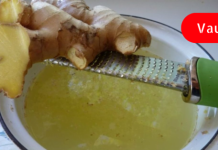
1 piece of fresh ginger, grated
1 tablespoon apple cider vinegar
1 teaspoon natural honey
Preparation:
Place all the ingredients in a bowl and mix thoroughly until you achieve a smooth consistency. If you prepare more of the mixture than needed, store it in the refrigerator for up to five days, but no longer.
How to Use:
Take this mixture before breakfast and lunch, but no more than three times a day. Within one week, many people notice positive changes. This homemade remedy is traditionally believed to help lower cholesterol levels and support the normalization of blood pressure.
Garlic is known for its potential cholesterol-lowering and blood vessel-protective properties. Lemon juice provides antioxidants and vitamin C, ginger supports circulation and reduces inflammation, apple cider vinegar may help regulate metabolism, and honey adds both flavor and beneficial enzymes.
Recipe 2: Dill Seed Infusion
Ingredients:
1 tablespoon dill seeds
1 liter of water
Preparation:
Add the dill seeds to the water and bring it to a boil. Once boiled, remove from heat and let it sit overnight.
How to Use:
Take 1 tablespoon of this infusion three times a day.
Dill seeds have traditionally been used to support digestion, reduce bloating, and help regulate blood pressure. Their mild diuretic effect may also contribute to lowering blood pressure naturally.
Recipe 3: Burdock Root Decoction
Ingredients:
1 full tablespoon burdock root
1.5 cups cold water
Preparation:
Pour the cold water over the burdock root and place it on low heat. After bringing it to a boil, let it simmer for an additional five minutes. Remove from heat and keep the mixture warm for four hours. Afterward, strain it.
How to Use:
Drink 1 to 1.5 cups per day in small sips. The recommended treatment duration is 10–12 days.
Burdock root is traditionally known for its detoxifying properties and is believed to support liver function, which plays a key role in cholesterol metabolism.
Recipe 4: Rosehip Tea
Ingredients:
1 tablespoon rosehip fruits
3 cups water
Preparation:
Pour the water over the rosehip fruits and bring to a boil twice. Then allow the mixture to steam for three hours. Warm it again before drinking.
How to Use:
Drink throughout the day as tea. During this time, it is recommended to avoid consuming meat products.
Rosehips are rich in vitamin C, antioxidants, and bioactive compounds that may help improve blood vessel elasticity, reduce inflammation, and support overall cardiovascular health.
Recipe 5: Black Currant Decoction
Ingredients:
2 tablespoons dried black currant berries
1 cup hot water
Preparation:
Pour hot water over the berries and boil on low heat for 10 minutes. Let it stand for one hour, then strain.
How to Use:
Take one-quarter of a cup four times a day.
Black currants are known for their high antioxidant content, particularly anthocyanins, which may help protect blood vessels and support healthy cholesterol levels.
Why Lifestyle Still Matters Most
Although these natural remedies have been used for generations and may offer supportive benefits, they work best when combined with a healthy lifestyle. Regular physical activity, a balanced diet rich in fruits, vegetables, whole grains, and lean proteins, adequate sleep, and effective stress management are all crucial for maintaining healthy cholesterol levels and blood pressure.
Reducing salt intake, limiting processed foods, avoiding smoking, and moderating alcohol consumption are also essential steps toward cardiovascular health. Regular medical check-ups and blood tests are important, especially for individuals with a family history of heart disease or existing risk factors.
Important Note
While natural remedies can be beneficial, they should not replace prescribed medications without consulting a healthcare professional. People with chronic conditions, pregnant women, and those taking medication should always seek medical advice before starting any new treatment.
Final Thoughts
Nature offers a wide range of ingredients that can support our health when used wisely. Many cholesterol- and blood pressure-supporting remedies are already available in our kitchens. By combining traditional knowledge with modern medical guidance and healthy lifestyle choices, it is possible to take meaningful steps toward better heart health and overall well-being.
Sometimes, the path to better health truly does begin in the kitchen.