














Heart disease remains one of the leading causes of illness and mortality worldwide. Modern lifestyles, characterized by poor dietary habits, lack of physical activity, and chronic stress, significantly increase the risk of cardiovascular problems. Traditional medicine, however, has long emphasized the importance of natural products and balanced nutrition in supporting heart health. One such traditional remedy is a honey-based tincture, which has been valued for generations for its supportive effects on the cardiovascular system.
Who Is at Risk of Heart Attack?
People who consume large amounts of alcohol and tobacco are among the primary risk groups for heart attacks. In addition, individuals who frequently eat foods high in cholesterol, lead a sedentary lifestyle, and neglect regular physical activity face increased cardiovascular risks.
From a broader health perspective, several other factors play an important role in heart disease risk. These include chronic stress, arterial hypertension (high blood pressure), excess body weight, eating disorders, genetic predisposition, unhealthy working and resting conditions, and advancing age. Each of these factors can place additional strain on the heart and blood vessels, increasing the likelihood of serious complications over time.
Understanding these risks is essential, but prevention begins with conscious lifestyle choices—especially proper nutrition.
Heart-Healthy Foods to Include in Your Daily Diet
A balanced diet can significantly support heart function and overall well-being. Below is a list of foods traditionally considered beneficial for heart health:
Honey
Corn oil
Chicken
Turkey
Veal
Rabbit meat
Egg whites
Skim milk
Yogurt
Cottage cheese
Low-fat cheese
Lean fish
Fresh fruits
Legumes (beans, peas)
Boiled potatoes
Whole-grain or brown bread
Oatmeal and corn porridge
Mineral water
Tea
Weak or lightly brewed coffee
Fresh fruit juices
Fresh herbs and greens
These foods are generally low in unhealthy fats and rich in nutrients that support circulation, metabolism, and heart muscle function.
Foods Allowed in Moderation
Certain foods are not strictly forbidden but should be consumed in limited quantities to avoid unnecessary strain on the cardiovascular system:
Butter
Margarine
Beef and lamb
Medium-fat cheeses
Fish fried in oil
Almonds
White flour products
Low-fat chocolate
Moderation is key. Even nutritious foods can become harmful when consumed excessively.
Foods and Drinks Harmful to the Heart
To protect heart health, it is recommended to avoid or significantly limit the following products:
Lard
Fatty meats
Sausages and processed meats
Duck and goose meat
Chicken and turkey skin
Whole milk
Sour cream
Fatty cheese and full-fat yogurt
Potatoes fried in animal fat
Bread made from refined white flour
Pastries and baked sweets
Dishes prepared with animal fats
Strong coffee
These foods are often high in saturated fats and cholesterol, which may contribute to plaque buildup in arteries.
Traditional Honey Tincture Recipe for Heart Support
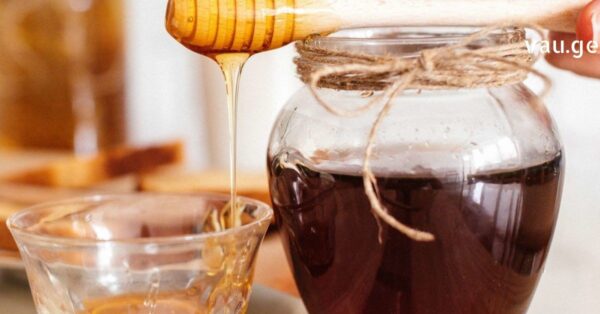
Traditional medicine offers a natural recipe that combines honey, herbs, and alcohol to create a tincture believed to support heart function and overall vitality. This remedy has been passed down through generations and is still used by many today.
Ingredients:
500 grams of natural honey
0.5 liters of vodka
Place the honey and vodka into an enamel pot and heat over medium heat, stirring continuously. After approximately 3 minutes, reduce the heat. Do not allow the mixture to boil. Continue stirring until a white foam forms on the surface. Once the entire surface becomes covered with this foam, remove the pot from the heat and allow the mixture to cool completely.
Herbal Infusion Preparation
Next, prepare an herbal infusion using the following ingredients (one pinch of each):
Chamomile
Motherwort
Knotgrass
Calendula
Crushed valerian root
Place the herbal mixture into a thermos, pour over 1 liter of boiling water, and allow it to steep for 45 minutes. After steeping, strain the infusion through a double layer of gauze and let it cool.
Once cooled, combine the herbal infusion with the prepared honey mixture. Pour the final blend into a well-sealed container and store it in the refrigerator.
Directions for Use
First week: Take 1 teaspoon twice a day—once in the morning before meals and 2 teaspoons in the evening before meals.
Second week: Continue the same routine, taking 1 teaspoon per dose.
The recommended course of treatment traditionally lasts up to one year, emphasizing consistency and moderation.
Why Honey Plays a Special Role
Honey is not only a natural sweetener but also a rich source of antioxidants, enzymes, vitamins, and minerals. It has been traditionally used to support immune function, improve circulation, and provide gentle energy to the body. When combined with medicinal herbs, honey acts as both a preservative and a carrier, enhancing the overall effect of the tincture.
Herbs such as chamomile and motherwort are known in folk medicine for their calming properties, which may help reduce stress—a major contributing factor to heart disease. Valerian root is traditionally used to support the nervous system and promote relaxation, which indirectly benefits heart health.
Lifestyle Matters as Much as Remedies
While traditional remedies like honey tinctures are popular and culturally significant, they should always be seen as part of a broader, healthy lifestyle. Balanced nutrition, regular physical activity, adequate sleep, and stress management are essential pillars of cardiovascular health.
Avoiding harmful habits such as smoking and excessive alcohol consumption, maintaining a healthy body weight, and monitoring blood pressure and cholesterol levels are equally important. Natural remedies work best when combined with mindful living and, when necessary, professional medical advice.
A Traditional Tip Worth Noting
According to traditional beliefs, rinsing your mouth once with this tincture is said to help eliminate bad breath for up to a year. While this claim is rooted in folk wisdom rather than modern clinical research, many people continue to use the remedy for its perceived cleansing and refreshing effects.
Final Thoughts
The honey tincture described above reflects centuries-old traditions that emphasize the healing power of natural ingredients. While modern medicine provides advanced treatments for heart disease, traditional practices continue to hold cultural and supportive value for many people.
If you choose to incorporate such remedies into your routine, it is important to do so responsibly and consult a healthcare professional—especially if you have existing medical conditions or are taking medication. A healthy heart is best supported through a combination of informed choices, balanced nutrition, and respect for both traditional knowledge and modern science.








































