




The human intestines are inhabited by a huge number of microorganisms. Among them are so-called “good,” “bad,” and “neutral” microbes. The “good,” or beneficial, microorganisms—primarily bifidobacteria and lactobacilli—can truly be called our closest allies.
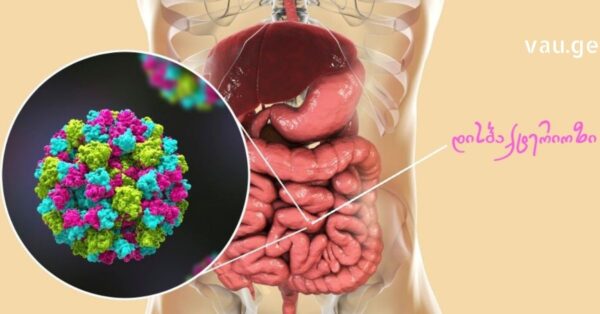
They play a vital role in digestion, help the body absorb nutrients, protect us from allergies, support the immune system, and, remarkably, even reduce the risk of developing oncological (cancerous) processes. At the same time, beneficial bacteria suppress the growth of harmful microorganisms such as staphylococci, Proteus, streptococci, and fungi of the Candida genus.
Without a healthy balance of intestinal microflora, proper digestion and the body’s natural defense mechanisms are simply impossible. When this balance is disturbed—when harmful bacteria begin to dominate and beneficial ones decrease—dysbacteriosis develops. This condition can significantly affect overall health, well-being, and quality of life.
Causes of Dysbacteriosis
Dysbacteriosis does not appear suddenly without reason. The most common causes include:
Long-term or uncontrolled use of antibiotics
Chronic diseases of the gastrointestinal tract
Poor nutrition, lack of fiber, and excessive consumption of processed foods
Stress and nervous tension
Reduced immunity
Intestinal infections
Hormonal imbalances
Children are especially vulnerable, as their intestinal microflora is still developing and is more sensitive to external influences.
Symptoms of Dysbacteriosis
The symptoms of dysbacteriosis can vary depending on age, severity, and individual characteristics, but the most common ones include:
Bloating and abdominal discomfort
Diarrhea or constipation
Irregular bowel movements
Abdominal pain and cramps
Nausea
Reduced appetite
Fatigue and weakness
Skin rashes and allergic reactions
Frequent colds due to weakened immunity
In children, dysbacteriosis can also manifest as poor weight gain, restlessness, and sleep disturbances.
A Personal Experience
I have always loved quince. During its flowering season, I simply cannot take my eyes off its beautiful blossoms. Until recently, however, I had no idea that this plant was used in folk medicine for therapeutic purposes.
My child was diagnosed with dysbacteriosis. Doctors prescribed various medications, but the treatment only helped temporarily. After a few weeks, the symptoms would return, and everything started all over again. The constant use of medicines worried me, so I decided to look for alternative, natural remedies from folk medicine.
To my surprise, I discovered that quince seeds are considered an effective natural remedy for dysbacteriosis.
The Healing Power of Quince Seeds
Quince seeds contain a high amount of mucilage—natural plant compounds that have a soothing and protective effect on the intestinal lining. They help restore the balance of intestinal microflora, reduce inflammation, and improve digestion.
In folk medicine, quince seed infusions have long been used not only for intestinal problems but also for coughs, hoarseness, sore throat, and inflammatory conditions of the respiratory tract.
The Most Effective Recipe for Dysbacteriosis
Ingredients:
2 teaspoons of quince seeds
2 cups of boiling water
Preparation:
Pour the quince seeds into a small pot.
Add 2 cups of boiling water.
Place the pot over low heat and simmer for 10 minutes.
Remove from heat, strain the liquid, and let it stand for 6 hours.
How to Use:
Drink half a cup of the decoction three times a day, 30 minutes before meals.
Results and Benefits
My child began drinking this quince seed decoction after completing the prescribed medication course. To our great relief, the condition did not worsen again. The symptoms disappeared, digestion normalized, and no further medication was needed.
Since then, I have recommended this recipe to everyone who suffers from dysbacteriosis, especially parents whose children face the same problem.
In addition to restoring intestinal balance, quince seed infusion:
Soothes irritated mucous membranes
Reduces inflammation
Supports healthy digestion
Helps with coughs and hoarseness
Strengthens the body after illness
Why Natural Remedies Matter
Unlike many pharmaceutical products, natural remedies work gently and gradually. They support the body’s own healing processes rather than forcing quick but temporary results. When used correctly and consistently, they can provide long-lasting benefits without harmful side effects.
Of course, in severe cases, medical supervision is essential. However, folk remedies like quince seed infusion can be an excellent complementary approach, especially during recovery after medication or antibiotic treatment.
Important Notes
Always consult a healthcare professional if symptoms are severe or persistent.
Natural remedies are most effective when combined with a balanced diet rich in fiber, vegetables, and fermented foods.
Adequate hydration and stress management are also crucial for intestinal health.
Must See: Eat Honey Every Day and These 8 Changes Will Happen in Your Body
About Vau.ge
Vau.ge is a space that offers practical advice on health, self-care, and everyday life. Our goal is to provide information about natural remedies and recipes that help you improve your health, enhance your beauty, and simplify daily tasks.
Most importantly, all of this can be done at home—enjoying the process and saving a significant amount of money.
Much of the information you find on our website can become part of your everyday life. You can share your experiences with friends and family, helping even more people make their daily routines easier and healthier.
Vau.ge proves that you do not need expensive procedures or products to be healthy, beautiful, and confident. Even at home, you can achieve excellent results using remedies that are often already available in your kitchen or garden.
By choosing natural solutions and traditional knowledge, you take an important step toward a healthier and more balanced life.