








Menopause (climacteric period) is a natural physiological stage in a person’s life characterized by the gradual decline of reproductive function in women and changes in the functioning of the sex glands in men. This period usually begins after the age of 40. In women, menopause can last around 10 years, while in men it typically lasts about 5 years. Although menopause is a natural process, it is often accompanied by various physical and emotional challenges that can significantly affect quality of life.
Understanding menopause and learning how to manage its symptoms through gentle, natural methods can make this transition much easier and more comfortable.
Causes of Menopause
The main causes contributing to the onset of menopause include:
Natural aging of the body
Inflammatory diseases of the reproductive organs (such as orchitis, epididymitis)
Surgical interventions involving the pelvic organs
Decreased functional activity of the ovaries
Ovarian tumors or injuries
Additionally, excess body weight, alcoholism, chronic stress, smoking, and an unhealthy lifestyle can contribute to the development of premature menopause, intensifying symptoms and making the process more difficult to endure.
Symptoms of Menopause in Women
Menopause manifests through a wide range of symptoms, which may vary in intensity from person to person. The most common symptoms include:
Hot flashes (sudden sensations of heat)
Cessation of menstruation (menopause)
Frequent headaches
Excessive sweating, especially at night
Irritability and emotional instability
Decreased libido
Tendency toward depression and anxiety
Urinary incontinence
Frequent urge to urinate
Vaginal dryness
Dry skin
Hair thinning and hair loss
These symptoms can significantly disrupt daily life, sleep quality, emotional well-being, and self-confidence.
Do Not Rush into Medication
At the onset of menopause, it is not always necessary to immediately begin taking hormonal medications. While hormone replacement therapy can be effective, it is not suitable for everyone and may have side effects.
It is important to remember that one of the best natural helpers during menopause is hawthorn (rowan/Crataegus). This plant has a beneficial effect on the female body, helps regulate the nervous system, and contributes to the normalization of hormonal balance in a gentle and natural way.
Folk Medicine Recipes for Hormonal Balance
Traditional medicine offers many time-tested remedies that help reduce menopausal symptoms and support overall health. Among them, hawthorn-based preparations hold a special place due to their calming, tonic, and hormone-regulating properties.
Hawthorn infusion can help cope with dizziness, hot flashes, excessive sweating, and heart palpitations. In addition, it improves overall energy levels, enhances work capacity, and supports emotional stability. Hawthorn can be used both fresh and dried.
When I was diagnosed with pathological menopause, I did not rush to take hormonal drugs. Instead, I decided to try a simple, accessible, and effective natural remedy — hawthorn. The results exceeded my expectations.
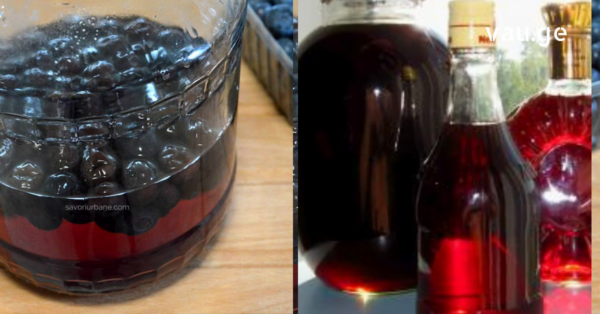
Recipe 1: Hawthorn Berry Tincture
Ingredients:
100 g dried hawthorn berries (available at pharmacies)
0.5 liters of cognac or vodka
Preparation:
Pour the alcohol over the dried hawthorn berries and place the mixture in a cool, dark place for 2 weeks (for example, in a refrigerator). Shake occasionally. After two weeks, strain the tincture.
How to take:
Take 1 teaspoon 3 times a day.
Effect:
After using this tincture, heart palpitations normalized, hot flashes and excessive sweating disappeared, and overall well-being improved noticeably. Energy levels and work capacity increased rather than decreased. I came to the conclusion that hawthorn seems to have been created especially to help women during this difficult period of life.
Recipe 2: Hop Tincture for Hot Flashes
For frequent hot flashes, prepare an alcohol-based tincture from hops.
Ingredients:
25 g hop cones
About 100 ml medical alcohol or vodka
Preparation:
Pour the alcohol over the hop cones and let the mixture sit for 7 days in a dark place. Afterward, strain through gauze or a bandage.
How to take:
Take 5–10 drops of the tincture diluted in 1 tablespoon of water, twice a day — in the morning and before bedtime.
Effect:
This remedy works wonders. With regular use, headaches diminish, sleep improves, nervous tension decreases, and the constant feeling of blood rushing to the head disappears. Emotional balance is restored, and daily stress becomes much easier to manage.
Recipe 3: Hot Water Infusion of Hop Cones for Hot Flashes and Insomnia
Ingredients:
1 tablespoon crushed hop cones
1 glass of boiling water
Preparation:
Pour boiling water over the hop cones and let the mixture steep for 45 minutes. Then strain the infusion.
How to take:
Drink 1/4 glass 3 times a day, 20–30 minutes before meals.
Effect:
This infusion helps reduce hot flashes, calms the nervous system, and improves sleep quality. It is especially helpful for women who suffer from insomnia, anxiety, and frequent nighttime awakenings during menopause.
Why Traditional Remedies Are Effective
Natural remedies act gently and gradually, supporting the body rather than forcing it to change abruptly. Plants such as hawthorn and hops contain biologically active compounds that positively affect the nervous, cardiovascular, and endocrine systems.
Regular use of these remedies can help:
Normalize heart rhythm
Reduce hot flashes and sweating
Improve sleep quality
Stabilize mood
Increase stress resistance
Support hormonal balance naturally
Unlike synthetic hormones, traditional remedies are generally better tolerated and can be used for longer periods with fewer side effects when taken responsibly.
Final Thoughts
Menopause is not an illness but a natural stage of life. However, the discomfort it brings should not be ignored. With the help of traditional remedies, a balanced lifestyle, proper nutrition, and emotional self-care, it is possible to go through this period calmly and with dignity.
Listening to your body, choosing gentle natural methods, and giving yourself time to adapt can make menopause not a struggle, but a new phase of inner strength, maturity, and self-awareness.