














Chamomile is one of the most widely used medicinal plants in the world, valued for its broad spectrum of healing properties and its gentle yet effective action on the body. For centuries, chamomile has been used in both traditional and folk medicine as a natural remedy for inflammation, pain, digestive disorders, skin problems, and nervous system imbalances. Modern research has confirmed many of these traditional uses, showing that chamomile contains biologically active compounds that support healing on multiple levels.
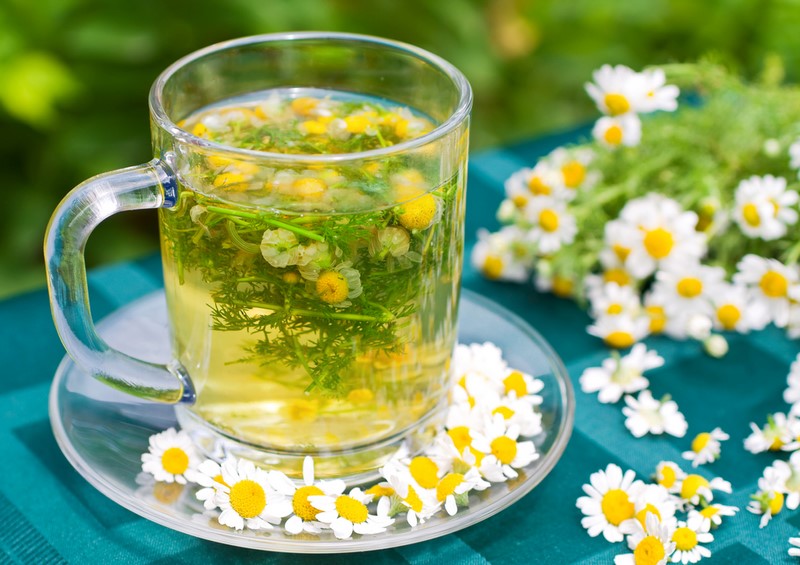
Chamomile possesses anti-inflammatory, antibacterial, disinfectant, antispasmodic, anti-allergic, mild analgesic, and calming properties. In addition, it stimulates the secretion of gastric and bile juices, improves appetite, relaxes smooth muscles, relieves spasms of the abdominal organs, and stimulates the activity of the central nervous system. Thanks to this unique combination of effects, chamomile is often considered a universal herbal remedy suitable for both internal and external use.
Internal Use of Chamomile
Chamomile is commonly used internally to treat various gastrointestinal disorders, including:
Intestinal colic
Gastritis
Peptic ulcers
Colitis
Cholecystopathy
Functional digestive disorders
Its antispasmodic action helps relieve severe abdominal pain and cramps, while its anti-inflammatory properties soothe irritated mucous membranes. Chamomile is also used to treat inflammatory conditions of the upper respiratory tract caused by colds and infections. When taken internally, it has a mild sedative effect, helping to reduce nervous tension, anxiety, and restlessness.
Because of its anti-allergic properties, chamomile can also help alleviate mild allergic reactions, particularly those affecting the digestive system or skin. Regular consumption of chamomile infusions supports overall digestive health and contributes to a balanced nervous system.
External Use of Chamomile
Pharmaceutical-grade chamomile is widely used externally for a variety of conditions. It is particularly effective for inflammatory diseases of the oral mucosa, such as:
Stomatitis
Gingivitis
Fungal infections of the mouth
Halitosis (unpleasant mouth odor)
Rinsing the mouth with chamomile infusion helps reduce inflammation, disinfect the oral cavity, and promote healing of damaged tissues.
Chamomile Compresses and Wraps
Hot chamomile infusions and decoctions are especially powerful when used as compresses, moist wraps, or hot poultices. These methods allow active compounds to penetrate deeply into tissues, making them significantly more effective than many pharmaceutical anti-inflammatory products.
Chamomile compresses are used for:
External hemorrhoidal cones
Perianal abscesses
Vaginal douching in cases of leukorrhea
Excessive foot sweating
Chamomile also has a soothing and anti-allergic effect on the skin. It helps maintain skin hydration, elasticity, and a youthful appearance. When used in the form of compresses, chamomile is effective in treating urticaria (hives), skin irritation, redness, and inflammation.
Preparation Methods
Cold Infusion
Take 10 grams of chamomile powder
Pour over 200 ml of boiled, cooled water
Let it stand for 8 hours
Strain through double-layered gauze
Dosage:
Drink ⅓ cup, 3 times a day, 30 minutes before meals.
Cold infusion preserves delicate active compounds and is particularly suitable for people with sensitive stomachs or chronic digestive conditions.
Hot Infusion
Take 10 grams of chamomile powder
Pour over 200 ml of boiling water
Let it stand for 45 minutes, until cooled
Strain through double-layered gauze
Dosage:
Drink ⅓ cup, 3 times a day, 30 minutes before meals.
Hot infusion is effective for acute inflammation, colds, respiratory infections, and digestive discomfort.
Decoction
Take 10 grams of chamomile powder
Pour over 300 ml of water
Heat in a water bath and boil for 20–30 minutes
Remove from heat, allow to cool
Strain through double-layered gauze
Dosage:
Drink ⅓ cup, 3 times a day, 30 minutes before meals.
Decoctions are stronger than infusions and are particularly effective for external use and severe inflammatory conditions.
Moist Wraps and Compresses
Moist Wrap
Soak several layers of gauze in chamomile decoction
Lightly squeeze out excess liquid
Apply to the painful area
Leave on for 3–5 minutes, then replace with a fresh wrap
Repeat 3–4 times daily
This method is ideal for acute inflammation, swelling, and localized pain.
Hot Wrap
Soak gauze in hot chamomile decoction
Lightly squeeze
Apply to the affected area
Leave on until it cools
Repeat 3–4 times daily
Hot wraps improve blood circulation, relax muscles, and accelerate healing.
Chamomile Compress
Soak several layers of gauze in hot infusion or decoction
Lightly squeeze
Apply to the painful area
Cover with waterproof paper or plastic
Add a layer of cotton
Secure with dry gauze or bandage
Replace the compress once it dries. Repeat the procedure 3–4 times daily.
Compresses provide deep, prolonged exposure to chamomile’s active compounds, making them especially effective for chronic inflammation, joint pain, muscle tension, and skin conditions.
Why Chamomile Works Better Than Many Medications
Chamomile contains flavonoids, essential oils (such as chamazulene and bisabolol), and other bioactive compounds that work synergistically. Unlike synthetic anti-inflammatory drugs, chamomile:
Does not irritate the stomach
Has minimal side effects
Can be used long-term
Supports natural healing processes
Its ability to calm inflammation while simultaneously soothing the nervous system makes it uniquely effective. Moist hot wraps, in particular, enhance absorption and increase therapeutic strength—often making them up to 10 times more effective than standard pharmacy anti-inflammatory remedies when used correctly and consistently.
Conclusion
Chamomile is a powerful, versatile medicinal plant that deserves a place in every home. Whether used internally as an infusion or externally as a compress, wrap, or rinse, it offers safe and effective relief from inflammation, pain, spasms, digestive disorders, skin problems, and nervous tension.
Chamomile compresses and moist hot wraps stand out as especially potent natural treatments, providing deep, targeted relief without the risks associated with synthetic medications. With proper preparation and regular use, chamomile can become a reliable, natural alternative for maintaining health, comfort, and overall well-being.
By embracing chamomile’s healing power, you can support your body naturally—using a remedy that has stood the test of time and continues to prove its effectiveness in modern holistic care.