















Enuresis is a problem that many families face, yet few talk about openly. Although it is often associated with childhood, enuresis can deeply affect not only the child but also parents, grandparents, and the entire household. Emotional stress, shame, anxiety, and social difficulties frequently accompany this condition, making it even more important to understand its causes and possible ways of managing it.
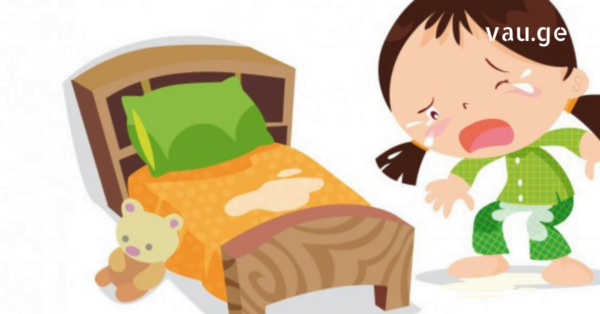
What Does Enuresis Mean?
The term “enuresis” comes from the Greek language and refers to the involuntary emptying of the urinary bladder, in other words, urinary incontinence. There are two main types of urinary incontinence:
Daytime urinary incontinence, and
Nighttime enuresis, also known as bedwetting.
Among children, nighttime enuresis is by far the most common form. It is especially frequent in preschool and early school-age children, although in some cases it may persist for years if not properly addressed.
Primary and Secondary Enuresis
Enuresis is further divided into primary and secondary forms.
Primary nocturnal enuresis occurs when a child has never developed consistent nighttime bladder control. This condition is usually related to the immaturity of the urination reflex. In such cases, involuntary bladder emptying during sleep occurs at least twice a week.
Secondary nocturnal enuresis, on the other hand, develops after bladder control has already been established. In this form, a previously acquired ability to hold urine during sleep is lost.
A diagnosis of primary nocturnal enuresis is typically made in children over the age of five who have never experienced a prolonged dry period since infancy and who do not show any signs of structural damage to the urinary system.
Causes of Nighttime Enuresis
Nighttime enuresis may be caused by one or several of the following factors:
Genetic predisposition – children whose parents experienced enuresis are more likely to develop it
Disorders of the awakening process – difficulty waking up when the bladder is full
Impaired bladder control mechanisms
Endocrine factors, particularly reduced secretion of antidiuretic hormone, which leads to increased urine production at night
Psychological factors, including stress, fear, or emotional trauma
Urodynamic problems
Urinary tract infections
Structural abnormalities of the urinary tract, including valve dysfunctions
Understanding these factors is essential, as enuresis is not a sign of laziness or misbehavior, but rather a complex medical and physiological condition.
A Personal Story: When Enuresis Enters the Family
My grandchild was born prematurely. He spent several months in an incubator, as if trying to compensate for the time he missed in his mother’s womb. The day we finally brought him home was a true celebration for our family. At last, the sound of a baby’s cry filled our house.
At first, there were no alarming signs. On the contrary, considering that he was born prematurely, he appeared surprisingly healthy. We were relieved and hopeful.
However, when he turned four, worrying symptoms began to appear. The child started wetting his pants again, and what troubled us most was that he didn’t even seem to notice when it happened.
This continued for quite some time. We spared no effort: medical consultations, constant supervision, patience, and care. Eventually, we achieved partial success — he stopped wetting himself during the day. Unfortunately, nighttime bedwetting remained unchanged.
When he started school, the situation became even more difficult. I cannot say for sure whether it was stress, fear of the teacher, or emotional pressure, but daytime urinary incontinence returned as well.
Classmates began to mock him, and soon enough, the child refused to go to school altogether. The emotional toll on him was heartbreaking. We were completely lost and, for several days, stopped sending him to school.
Neighbors learned about our struggle, and advice poured in from all sides. Everyone seemed to have a suggestion — some helpful, some questionable, and some entirely unrealistic.
One day, my husband’s cousin came to visit us. She confided that her own child had suffered from the same problem in childhood and shared a remedy that had helped them overcome it.
For reasons I cannot fully explain, I decided to trust her recipe. And may all good things come true for you, just as my hope was fulfilled.
The Results That Changed Everything
After some time, my grandchild’s involuntary urination gradually decreased — not only during the day but also at night. He regained confidence, returned to school without fear, and we, as a family, finally breathed a sigh of relief.
A Simple and Natural Treatment Method
The treatment itself is quite simple and based on natural remedies.
Herbal Infusion Recipe
You will need:
1 tablespoon of finely chopped plantain leaves
1 cup of boiling water
Preparation:
Pour the boiling water over the plantain leaves.
Cover the container and let it steep for 1 hour.
Strain the infusion.
Dosage:
Take 1 tablespoon of the infusion 3–4 times a day,
20 minutes before meals.
The treatment should be continued for at least two weeks, although noticeable improvement usually appears after 4–5 days.
The Importance of Honey
Throughout the treatment period, it is essential that the child consumes 1 teaspoon of honey before bedtime.
Honey plays an important role because:
It strengthens the nervous system,
It helps the body retain fluids during sleep, reducing nighttime urination.
Summer Support: Blackberries and Blueberries
If you decide to begin treatment during the summer months, blackberries and blueberries can provide additional support.
Berry Decoction Recipe
You will need:
1 tablespoon of freshly picked blackberries
1 tablespoon of blueberries
500 ml of water
Preparation:
Combine the berries with water.
Boil for 5–10 minutes.
Remove from heat, cover, and let it sit for 30–40 minutes.
Dosage:
Give the child one cup, 3–4 times a day.
This treatment should also be continued for at least two weeks, although extending it may yield even better results.
Final Thoughts
Enuresis is a condition that requires patience, understanding, and compassion. While medical consultation is always important, traditional remedies passed down through generations may offer valuable support when used responsibly.
With the right approach, emotional support, and natural methods, many families can overcome this challenge — just as we did.