










Varicose veins, rheumatism, and arthritis are among the most common health problems that affect people of different ages. These conditions are often accompanied by pain, swelling, stiffness, fatigue, and a noticeable decrease in quality of life. Many people search for natural remedies that can complement traditional treatment and help relieve symptoms. One of the most well-known and time-tested natural remedies in folk medicine is willow bark, which has been used for centuries due to its powerful healing properties.
Varicose Veins
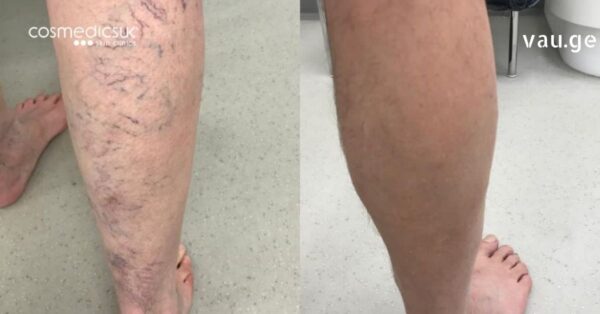
Varicose veins can develop on almost any part of the body, but in the majority of cases, they appear on the lower extremities. This happens because standing and walking increase pressure in the lower part of the body. When this pressure becomes excessive, blood begins to stagnate in the veins. Over time, the walls of the blood vessels weaken and stretch, leading to visible deformation.
As a result, swollen, bulging, twisted, and dark-colored veins appear on the surface of the skin. In addition to being an aesthetic concern, varicose veins often cause physical discomfort. Common symptoms include heaviness in the legs, pain, burning sensations, swelling, night cramps, itching, and fatigue. If left untreated, varicose veins may lead to complications such as thrombosis, skin discoloration, or chronic venous insufficiency.
Causes of Varicose Veins
One of the primary causes of varicose veins is hereditary predisposition. In many cases, the condition is passed from parents to children. Hormonal factors also play a significant role, especially during periods such as:
Puberty
Pregnancy
Menopause
Use of hormonal contraceptives
Additional contributing factors include prolonged standing or sitting, lack of physical activity, excess body weight, aging, and occupations that place constant strain on the legs.
Rheumatism
Rheumatism is a disease characterized by systemic inflammatory, infectious, and allergic damage to connective tissue. It often develops as a complication of untreated or poorly treated infections and affects several organs and systems in the body.
Types of Rheumatism by Localization
Depending on which organs are affected, rheumatism is classified into several forms:
Cardiac rheumatism – affects the heart and may lead to serious complications
Vascular rheumatism – damages blood vessels
Joint rheumatism – causes pain, swelling, and limited mobility
Skin rheumatism – manifests as rashes and nodules
Central nervous system rheumatism – affects the brain and nervous system
Serous membrane rheumatism – involves membranes lining organs
Causes of Rheumatism
The main factors that contribute to the development of rheumatism include:
Infectious diseases
Weakened immune system
Hypothermia and prolonged exposure to cold
Symptoms of Rheumatism
Rheumatism often begins suddenly and may present with the following symptoms:
Increase in body temperature up to 39°C (102.2°F)
General weakness and malaise
Rapid fatigue
Excessive sweating
Headaches
Joint pain and swelling
Without proper treatment, rheumatism can become chronic and cause long-term damage, particularly to the heart and joints.
Arthritis
Arthritis is not a single disease, but rather a broad term that includes more than 100 different conditions that affect the joints. Arthritis can develop at any age and may significantly limit mobility and daily activities.
Classification of Arthritis by Cause
Depending on the underlying cause, arthritis is divided into several major categories:
Degenerative (non-inflammatory) arthritis, such as osteoarthritis
Inflammatory arthritis, including rheumatoid arthritis, lupus arthritis, ankylosing spondylitis, psoriatic arthritis, and others
Infectious arthritis, caused by sexually transmitted infections, bacteria, viruses, or fungal infections
Metabolic or microcrystalline arthritis, such as gout and pseudogout
Common symptoms of arthritis include joint pain, stiffness (especially in the morning), swelling, redness, reduced range of motion, and joint deformity in advanced stages.
Willow Bark – A Powerful Natural Remedy
Willow bark has been used in folk medicine since ancient times. It is known for its anti-inflammatory, analgesic, antipyretic, and antiseptic properties. Willow bark contains salicin, a natural compound that is chemically similar to acetylsalicylic acid, the active ingredient in aspirin.
Willow bark is usually harvested in early spring, when it easily separates from trees that are approximately 6–7 years old. Both internal remedies and external treatments can be prepared from it.
Willow Bark Foot Baths for Varicose Veins
In cases of varicose veins, foot baths made from willow bark are considered particularly effective.
Preparation Method
Take equal amounts of willow bark and oak bark
Pour boiling water over the mixture
Simmer on low heat for 15 minutes
Pour the decoction into a deep basin or bucket filled with warm water (preferably deep enough so the water reaches up to the knees)
Soak your legs in the bath until the water cools. This procedure helps strengthen blood vessels, reduce swelling, improve circulation, and relieve heaviness and fatigue in the legs.
Willow Bark Baths for Rheumatism and Arthritis
Willow bark baths are also highly beneficial for people suffering from rheumatism and arthritis. Warm baths help relax muscles, improve blood flow, and reduce inflammation in joints.
Regular use may help alleviate chronic pain, decrease stiffness, and improve joint mobility, especially during colder seasons when symptoms tend to worsen.
Willow Bark Decoction for Internal Use
Ingredients
2 tablespoons of willow bark
200 ml of boiling water
Preparation
Pour boiling water over the willow bark
Simmer on low heat for 20 minutes, or alternatively let it steep for 8 hours
Strain the liquid
Dosage
Drink 50 ml, 3–4 times a day. If desired, the decoction may be sweetened with honey.
Additional Uses of Willow Bark Decoction
Willow bark decoction is also effective:
During fever, as it helps reduce body temperature
As a traditional antiparasitic remedy
Contraindications and Precautions
Despite its many benefits, willow bark has contraindications. It should not be used in the following cases:
Stomach or duodenal ulcers
Allergy or hypersensitivity to salicylates
Concurrent use with aspirin or blood-thinning medications
Pregnant women, breastfeeding mothers, and individuals with chronic illnesses should consult a healthcare professional before use.
Final Reminder
Natural remedies can be a valuable addition to a healthy lifestyle, but they should never replace professional medical treatment. Paying attention to your body and recognizing warning signs is essential.