











A boil (furuncle) is a painful, pus-filled skin condition that usually develops deep within the skin and is often characterized by its relatively large size, redness, and tenderness. This condition can cause significant discomfort and, if not treated properly, may lead to serious complications. Although modern medicine offers many pharmaceutical treatments, traditional, time-tested remedies have long been used to help the boil mature, drain, and heal effectively.
What Is a Boil (Furuncle)?
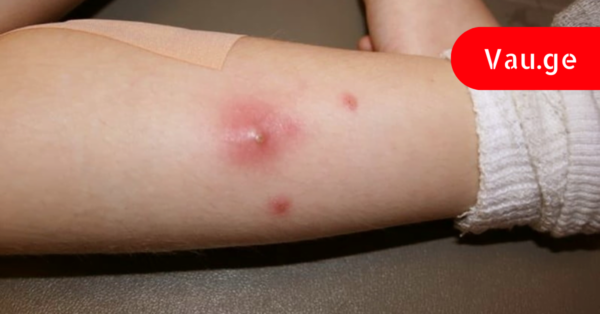
A boil is an acute bacterial infection of a hair follicle and the surrounding tissue. It typically appears as a red, swollen lump that gradually fills with pus. Over time, the boil may increase in size and become extremely painful. Once it matures, it may rupture on its own, releasing the pus and gradually healing.
Boils can appear on various parts of the body, most commonly on the neck, face, armpits, buttocks, thighs, and back. They can affect people of all ages and genders, though individuals with weakened immune systems are more susceptible.
Causes of Boils
The primary cause of boil formation is the penetration of bacteria—most often Staphylococcus aureus—into the skin. This can occur through small cuts, scratches, insect bites, clogged pores, or damaged hair follicles. Poor hygiene, excessive sweating, friction from tight clothing, and weakened immunity can all increase the risk.
Additional contributing factors include:
Chronic stress
Poor nutrition
Hormonal imbalance
Diabetes
Compromised immune system
Frequent skin irritation
Symptoms of Boils
Boils usually develop gradually and may present the following symptoms:
The appearance of small boils or red bumps on the skin
Redness and localized pain
Swelling and inflammation
Itching or burning sensation
Increased body temperature or fever in severe cases
Excessive or recurring skin eruptions
As the infection progresses, the boil becomes filled with pus and may develop a white or yellow center.
Why People Still Turn to Home Remedies
While pharmacies today offer a wide range of ointments and antibiotics designed to help boils mature and heal, many people still prefer traditional home remedies. These remedies are often affordable, easy to prepare, and based on generations of experience. In some cases, they help draw out pus more effectively and speed up healing when used carefully.
Below are two traditional, time-tested remedies that have been used for decades and are still praised for their effectiveness.
Remedy #1: Egg Yolk, Honey, and Corn Flour Paste
This remedy is considered almost miraculous by those who have tried it. Many people claim that even a single application is enough to help the boil mature and be removed completely, including the root. It is simple to prepare and very inexpensive.
Ingredients:
1 egg yolk
1 tablespoon of honey
Corn flour (as much as needed to form a paste)
Preparation and Use:
Mix the egg yolk and honey thoroughly in a small bowl. Gradually add corn flour until the mixture reaches a thick, dough-like consistency. Form a small ball from the mixture and apply it directly to the boil. Secure it with a clean bandage and leave it in place for two days.
After removing the paste, the boil should come out easily. If it does not fully drain the first time, apply the paste again. This remedy is known to help draw out pus and promote healing.
This recipe was passed down from grandmothers who believed strongly in its healing power. According to traditional knowledge, it is also effective for other types of pus-filled inflammations, including infected mammary glands. While some people have tested it only on boils, many report excellent results.
Remedy #2: Onion, Soap, and Flour Compress
Another highly effective traditional method involves using common household ingredients to create a warm compress that helps the boil mature.
Ingredients:
1 medium white onion
Cooking oil
1 tablespoon of grated laundry soap (72%)
1 teaspoon of bread flour
Preparation and Use:
Finely chop the onion and sauté it in oil until soft. Once the onion is well cooked, add the grated laundry soap and bread flour. Mix everything thoroughly while hot until a uniform mass is formed.
Allow the mixture to cool slightly. Do not apply it hot. It should only be used when it reaches a warm (lukewarm) temperature. Apply the mixture to the boil, cover it with a clean bandage, and secure it.
Change the compress three times a day, each time applying it warm. Continue this process until the boil matures and forms a visible head. If the boil does not rupture on its own, it may be carefully opened using a sterilized needle (disinfected with alcohol) to release the pus.
Important Warning and Potential Risks
Boils should never be taken lightly. In severe cases, complications may include blood poisoning (sepsis), spreading infection, or even fatal outcomes if left untreated or handled improperly. Boils located on the face, spine, or groin are especially dangerous and should always be evaluated by a medical professional.
Self-treatment should be approached with caution. Never squeeze or puncture a boil without proper sterilization, as this can worsen the infection.
Prevention and Prophylaxis
Preventing boils is often easier than treating them. The following preventive measures are strongly recommended:
Use antibacterial soap regularly
Avoid irritating or scratching damaged skin
Apply antiseptic solutions to cuts or wounds
Maintain proper personal hygiene
Wear loose-fitting clothing to reduce friction
Strengthen immunity through balanced nutrition
For people with diabetes, regular prevention is especially important, as they are more prone to recurring boils and infections.
Final Thoughts
Boils are painful and unpleasant, but with proper care, hygiene, and the use of time-tested remedies, they can often be treated effectively. Traditional methods, when used responsibly, can complement modern medicine and help speed up recovery. However, it is essential to monitor symptoms carefully and seek medical attention if the condition worsens.
Nature and tradition offer powerful tools, but your health should always come first.








































