













Asthenia is one of the most common primary or secondary syndromes associated with a wide range of illnesses. In some cases, it appears at the very beginning of a disease, while in others it develops later, becoming more noticeable during the final stages of recovery. Because asthenia affects both physical and emotional functioning, it is considered a complex condition that significantly interferes with daily life.
Symptoms and Course of Asthenia
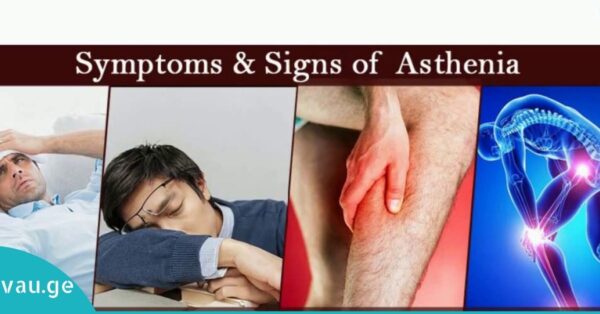
The typical symptoms of asthenia include pronounced weakness, an abnormally quick onset of fatigue, and a noticeable decline in the ability to concentrate. People with asthenia often describe a constant sense of exhaustion, even after minimal effort. They may also experience irritability and heightened sensitivity to external stimuli such as bright lights or loud noises.
Sleep disturbances are particularly common. The patient’s sleep becomes shallow, restless, and easily disrupted. Many individuals struggle both to fall asleep and to wake up feeling refreshed. Despite spending enough hours in bed, they often rise in the morning still tired, unmotivated, or mentally foggy. This lack of restorative sleep contributes even further to the cycle of fatigue.
Emotional instability is another hallmark of asthenia. Patients frequently face mood swings, increased anxiety, fear, depressive episodes, and unexplained physical sensations throughout the body. At times, these emotional symptoms may appear more prominently than the physical ones, leading to the mistaken assumption that the condition is purely psychological. In reality, asthenia is a multidisciplinary issue that involves physiology, neurology, and mental health.
Asthenic reactions can occur at any stage of a disease. For example, common colds and influenza often involve asthenic symptoms such as fatigue, loss of concentration, and generalized weakness. In many individuals, these symptoms persist for weeks even after they have recovered from the acute infection. This condition, known as post-infectious asthenia, became especially prevalent after viral illnesses like COVID-19, during which large numbers of patients reported persistent fatigue long after the infection subsided.
Causes and Mechanisms Behind Asthenia
The causes of asthenia vary widely. In some cases, it arises from chronic stress, lack of sleep, poor nutrition, prolonged mental strain, or emotional burnout. In others, it develops as a result of medical conditions such as hormonal imbalances, heart disease, liver disorders, neurological illnesses, or autoimmune diseases.
From a physiological perspective, asthenia is associated with disruptions in specific brain structures responsible for regulating wakefulness, motivation, emotional stability, and stress response. Neurotransmitter imbalance — particularly involving serotonin, dopamine, and norepinephrine — plays an important role. In addition, certain infections, toxic exposures, or metabolic disorders can impair the body’s ability to generate and use energy efficiently, leading to chronic fatigue.
Treatment and Management of Asthenia
For a resident of a busy modern city — someone who works full-time, deals with daily stressors, and often lacks sufficient rest — simple relaxation exercises alone are rarely enough to overcome asthenia. Because the condition involves dysfunction of particular brain mechanisms, the problem cannot be solved merely by taking walks, adding occasional rest, or introducing small lifestyle changes. Professional medical guidance is essential.
A doctor will assess the underlying causes of asthenia, recommend appropriate lifestyle adjustments, and prescribe necessary treatments. Physicians often use adaptogens such as ginseng or eleutherococcus, which may help stimulate energy production and improve resilience to stress. However, these remedies are not suitable for everyone, and determining the correct dosage can be challenging. In addition, adaptogens may cause side effects such as insomnia, increased irritability, or heightened anxiety if used improperly.
Therefore, treatment must be planned carefully and tailored individually. Comprehensive therapy may include medication, psychotherapy, stress management techniques, dietary improvements, and modern physiotherapeutic approaches designed specifically to alleviate asthenic symptoms.
Modern Physiotherapeutic Approaches to Asthenia
In recent years, physiotherapy has become one of the most effective and innovative methods for treating asthenia. Among the most widely used techniques are visual color stimulation, audiovisual multisensory relaxation, functional music therapy, and aromatherapy. These therapies aim to restore balance in the nervous system, enhance relaxation, and improve emotional well-being.
1. Visual Color Stimulation
Visual color therapy utilizes specific colors depending on the patient’s psychological state:
Red
Red enhances mental alertness, increases energy levels, and helps combat depressive moods. It is often used to counteract severe fatigue and lack of motivation.
Yellow
Yellow reduces tension and feelings of emotional pressure. It is effective during episodes of sadness, mild depression, and emotional exhaustion. It stimulates optimism and clarity.
Green
Green promotes relaxation and reduces emotional reactivity. It helps eliminate anxiety, calm restlessness, and is known to have a mild sedative effect. It is particularly beneficial for individuals who are overstimulated or prone to irritation.
Blue
Blue has pain-relieving and anti-inflammatory properties and is often used for conditions such as prostatitis or chronic pelvic pain syndrome. In the context of asthenia, it helps regulate nervous system activity and deepen relaxation.
Color stimulation therapy is often combined with other sensory techniques to produce a more holistic therapeutic effect.
2. Audiovisual Multisensory Relaxation
This technique uses synchronized visual and auditory cues to relax the nervous system. Soft lights, rhythmic patterns, and calming sound frequencies work together to reduce stress, decrease mental tension, and improve emotional balance. When used regularly, multisensory relaxation can significantly improve sleep quality and reduce anxiety — two major contributors to asthenia.
3. Functional Music Therapy
Music therapy focuses on specially selected melodies that correspond to relaxation programs. These melodies may influence heart rate, breathing patterns, and emotional regulation. Slow, harmonious music helps calm the mind, ease internal tension, and promote restorative rest. Music therapy is particularly effective for people who experience irritability, emotional instability, or racing thoughts.
4. Aromatherapy
Aromatherapy enhances relaxation through natural scents. Essential oils such as lavender, chamomile, eucalyptus, and bergamot have calming, mood-stabilizing, and anti-anxiety properties. When combined with color therapy and multisensory relaxation, aromatherapy significantly strengthens the therapeutic effect.
Conclusion
Asthenia is a complex condition that affects physical strength, emotional stability, concentration, and sleep quality. It cannot be treated superficially, especially in the context of modern fast-paced urban life. A comprehensive approach — involving medical care, physiotherapy, lifestyle changes, and emotional support — is essential for long-term recovery.
Modern physiotherapeutic treatments such as visual color stimulation, multisensory relaxation, music therapy, and aromatherapy offer safe, effective, and scientifically supported ways to reduce asthenic symptoms and restore balance to the body and mind.