









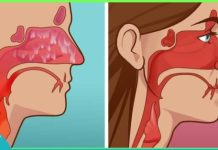





For many years, it was believed that esophageal cancer was caused mainly by smoking, excessive alcohol consumption, and other harmful lifestyle factors. However, modern research has shown that frequent heartburn — a condition most people tend to ignore or treat lightly — can significantly increase the risk of developing esophageal cancer in the future. This surprising discovery has changed the way specialists view digestive health, and it has made people realize that even a simple burning sensation behind the chest can be a warning sign of something far more serious.
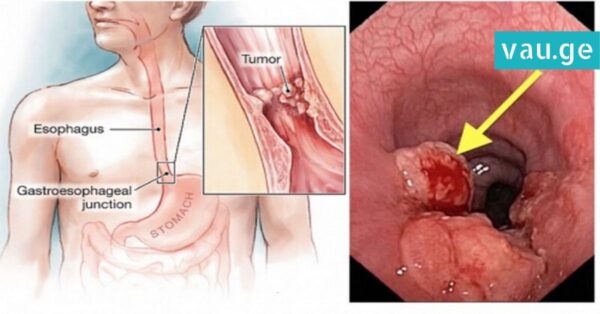
Heartburn occurs when stomach acid flows back into the esophagus, irritating the delicate lining. Occasional heartburn is common and usually harmless, but when it becomes frequent or chronic, the constant exposure of the esophageal tissue to acid can lead to inflammation, cellular damage, and eventually, a condition called Barrett’s esophagus. In Barrett’s esophagus, the cells of the esophageal lining begin to change, becoming more like the cells found in the stomach. Over time, these abnormal changes can develop into esophageal cancer if not detected early.
In this case, the glands and tissues responsible for protecting the esophagus face significant damage. When heartburn becomes a frequent, almost daily struggle, the esophagus is no longer able to repair itself efficiently. Recurrent acid exposure keeps injuring the tissue, making it more vulnerable to precancerous changes. Unfortunately, many people either ignore heartburn or attempt to manage it with quick over-the-counter solutions, without realizing that persistent symptoms require medical attention.
The first and most common early symptom of this type of cancer is dysphagia, which means difficulty swallowing. At first, the discomfort may occur only when swallowing solid foods. People often describe the sensation as if the food “gets stuck” in the chest or moves down very slowly. As the condition progresses, even swallowing liquids can become painful and difficult. Many individuals do not recognize this symptom immediately or assume it is temporary, which often delays early diagnosis.
Unexplained weight loss is another common symptom. As swallowing becomes more painful and uncomfortable, people naturally eat less, which leads to rapid weight reduction. In addition to this, many patients experience persistent or sharp pain in the lower part of the chest, around the area where the esophagus meets the stomach. This pain may be mistaken for heart problems or muscle strain, but its true cause is often irritation and inflammation of the esophageal lining.
Statistics show that today, compared to 100 years ago, the number of people diagnosed with esophageal cancer has increased sixfold. This dramatic rise has alarmed researchers and medical professionals worldwide. While the disease can technically appear at any age, it is most commonly diagnosed in people around the age of 60. According to data, about 3 out of every 6 people who are at risk eventually develop this condition, which highlights the seriousness of ignoring chronic acid reflux.
Research also shows that this type of esophageal cancer is more common in men than in women. Hormonal differences, dietary habits, and lifestyle patterns may contribute to this difference, although the exact reasons remain under study.
Despite the alarming statistics, one of the most important things to understand is that esophageal cancer is largely preventable. Heartburn itself is not dangerous, but ignoring it or failing to treat the underlying cause can be harmful. That is why taking timely preventive measures is essential. Here are several effective ways to reduce the risk:
• Quit smoking. Tobacco smoke weakens the lower esophageal sphincter — the valve that prevents acid from flowing back into the esophagus. When this sphincter is weakened, acid reflux becomes more frequent and severe. Quitting smoking significantly reduces the stress placed on the esophagus and decreases cancer risk.
• Maintain a healthy diet and exercise regularly. Physical activity helps regulate weight, improves metabolism, and reduces the pressure on the abdomen that often leads to acid reflux. A balanced diet decreases inflammation and supports digestive health, reducing the likelihood of chronic heartburn.
• Consume plenty of green and yellow fruits and vegetables. Citrus fruits, onions, herbs, and dried fruits are rich in antioxidants, vitamins, and natural anti-inflammatory compounds. These foods help the body repair cellular damage and reduce oxidative stress, which is closely associated with cancer development.
• Drink tea regularly. Herbal teas — such as chamomile, ginger, licorice, or green tea — soothe the digestive system, reduce acid production, and calm inflammation. Drinking tea can be a simple and pleasant addition to your daily routine that supports long-term digestive health.
In addition to these preventive measures, maintaining a healthy weight is one of the most crucial factors, because excess weight increases pressure on the stomach, pushing acid upward into the esophagus. Eating smaller meals, avoiding late-night eating, reducing caffeine and alcohol intake, and managing stress can also significantly decrease the occurrence of heartburn.
It is also important to recognize when heartburn should be taken seriously. If you experience heartburn more than twice a week, if symptoms interfere with your daily life, or if you wake up at night due to acid reflux, it is essential to see a doctor. Early diagnosis of Barrett’s esophagus or esophageal damage greatly increases the chance of preventing cancer development.
Frequent heartburn may seem like a minor inconvenience, but it can be a sign that your digestive system is struggling. Listening to your body, adjusting your lifestyle, and seeking medical advice when necessary can protect you from serious diseases later in life. Taking care of your digestive health is not just about comfort — it is an investment in your long-term well-being and survival.