














Excessive foot sweating, medically known as plantar hyperhidrosis, is one of the most bothersome problems affecting people of all ages. Many individuals struggle with constantly damp feet and unpleasant odors, which can be especially uncomfortable during both summer and winter. The feet have an unusually high concentration of sweat glands, which makes them particularly prone to perspiration. While sweating itself is a normal physiological process, the interaction of sweat with bacteria on the skin can produce a strong and unpleasant odor.
The bacteria residing on the feet break down sweat, which releases compounds responsible for the characteristic smell. Although we cannot reduce the number of sweat glands in our feet naturally, it is possible to control the odor and manage the problem effectively. Following specialist recommendations and maintaining proper hygiene can make a significant difference, and the good news is that these practices are neither difficult nor expensive.
Hygiene Practices to Reduce Foot Odor
The simplest and most effective method for controlling foot odor is frequent washing. It may seem obvious, but many people neglect their feet even during regular showers. Failing to clean between the toes allows bacteria to accumulate, which increases both sweat and odor. Therefore, it is essential to wash your feet several times a day with water — cold water is also effective, even in winter — and to dry them thoroughly afterward.
Once the feet are clean and dry, applying a fragrant talcum powder or foot powder can help absorb excess moisture and protect the skin. Talcum powder reduces friction, keeps feet dry, and prevents skin irritation caused by excessive sweating.
Folk Remedies for Foot Sweating
In addition to modern hygiene practices, folk medicine offers several natural remedies that have been used for generations. One such remedy is simple, inexpensive, and highly effective in controlling both sweat and odor.
Personal Experience:
Foot sweating was a significant problem for me in my youth. The situation became particularly severe during military service, when I had to wear boots for extended periods. The constant sweating created an ideal environment for fungal infections, which often accompany excessive perspiration. These two problems — sweat and fungus — are closely related. Fortunately, it is possible to manage both with simple, affordable home remedies.
Iodine Treatment for Foot Sweating
Ingredients & Tools:
Cotton pads or swabs
3% or 5% iodine solution
Procedure:
Wash your feet thoroughly and dry them completely.
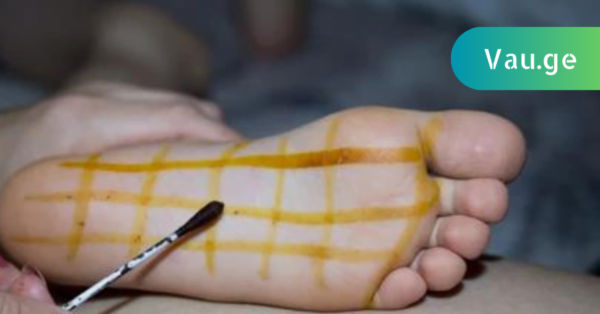
Soak a cotton pad in iodine.
Apply the iodine carefully between the toes and on the surface of the foot, extending 3–4 cm from each toe.
Repeat the procedure every evening.
Results:
After just a few applications, foot sweating may be significantly reduced or even stopped for 1–2 years. In my personal experience, only three treatments were enough to completely eliminate the problem.
Why This Remedy Works
Iodine is a strong antiseptic, which means it kills bacteria and other microorganisms on the skin. In cases of excessive foot sweating, the main issue is not the sweat itself but the unpleasant odor caused by bacterial decomposition of sweat. By applying iodine, you destroy these bacteria and prevent the development of odor. This is why iodine is considered highly effective, even in mild and chronic cases of foot sweating.
Additional Recommendations
Always wash feet daily with soap and warm water, paying special attention to the areas between the toes.
Dry your feet completely before putting on socks or shoes. Moist environments promote bacterial and fungal growth.
Use cotton socks or other breathable fabrics that absorb moisture and allow air circulation. Avoid synthetic materials that trap sweat.
Rotate shoes regularly to ensure they are dry before wearing them again. Consider using antibacterial shoe sprays or placing shoes in sunlight to reduce microbial growth.
Maintain general hygiene: trimming nails, removing dead skin, and avoiding prolonged damp footwear.
Doctor’s Commentary
According to medical professionals, iodine is a powerful antiseptic. The primary problem in foot sweating is the unpleasant odor, which often causes embarrassment and discomfort in social situations. This odor results from decomposition processes carried out by bacteria on the skin’s surface. Therefore, strict hygiene is essential: regular washing with soap and the use of antiseptics prevent the buildup of bacteria and neutralize odor. When iodine is applied to the skin, it destroys bacteria, thereby eliminating the unpleasant smell associated with sweat.
In addition to iodine, other antiseptics, powders, and natural solutions can complement the treatment. However, iodine remains one of the simplest and most accessible remedies.
Conclusion
Excessive foot sweating may seem like a minor problem, but it can significantly impact daily comfort and confidence. With proper hygiene and folk remedies, it is possible to control sweating, reduce odor, and even prevent associated fungal infections. Treatments like iodine application are not only effective but also affordable and easy to perform at home. Consistent care, along with proper footwear and moisture control, ensures long-term relief.
By following these steps, anyone suffering from foot sweating can achieve noticeable improvements within a short period. Remember, the combination of daily washing, careful drying, antiseptic application, and breathable socks is the key to lasting results. With these practices, you can enjoy dry, comfortable feet year-round and eliminate the embarrassment caused by sweat and odor.








































