












The human body is composed of approximately 60–70% water. Nearly two-thirds of this water is contained inside the cells, ensuring normal cell function and maintaining vital physiological processes. The remaining portion of bodily water is located in the intercellular spaces—areas between the cells that help support tissue hydration, nutrient transport, and waste removal. When excess fluid accumulates in these intercellular spaces, the result is swelling, also known as edema.
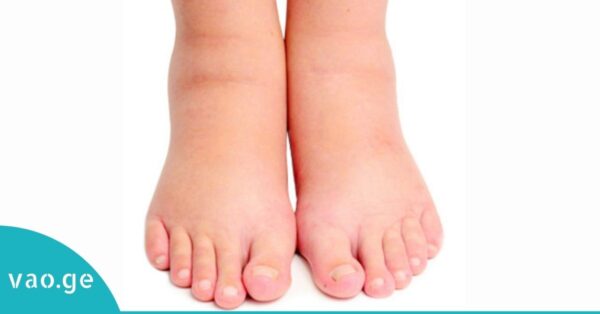
Swelling can occur for many reasons. Sometimes it may be temporary, caused by heat, hormonal changes, physical inactivity, or high salt intake. At other times, edema can serve as an early warning sign of deeper health issues, such as kidney imbalance, cardiovascular problems, or lymphatic system dysfunction. Because of this, if swelling is a frequent or persistent issue for you, the very first and most important recommendation is to consult a doctor. A healthcare professional can determine the underlying cause, conduct necessary tests, and suggest proper treatment.
While medical evaluation is essential, there are also several daily lifestyle habits and self-care strategies that can significantly reduce swelling. Below, we present helpful recommendations for managing and preventing edema.
How to Fight Swelling: 6 Essential and Practical Tips
1. Start With Your Diet
Your diet plays a major role in fluid retention. One of the biggest contributors to swelling is excess sodium, commonly found in table salt and processed foods. Salt binds water in the body, leading to puffiness in the hands, legs, face, and abdomen. Therefore, reducing or eliminating salty foods is one of the most effective steps you can take.
You should also limit refined carbohydrates such as white bread, pastries, sweets, sugary drinks, and processed snacks. These foods trigger rapid spikes in blood sugar and insulin levels, which can indirectly cause fluid retention.
It is also advisable to avoid spicy foods, especially in the evening. Spicy meals can stimulate water retention and cause digestive discomfort, which may increase bloating and swelling.
Just as important is the timing of meals:
Do not eat right before going to bed.
Late-night eating slows digestion and contributes to morning puffiness, especially around the eyes and face.
A balanced diet rich in natural, whole foods can help restore proper fluid balance and significantly reduce swelling.
2. Don’t Forget About Vitamins and Minerals
Swelling often indicates that the body lacks essential vitamins and minerals. This is why it is so important to regularly consume fruits, vegetables, and fresh greens. These natural foods provide the body with antioxidants, hydration, and nutrients that support circulation and cellular health.
Two minerals are particularly important:
Potassium – Helps balance sodium levels and reduces water retention. Foods rich in potassium include bananas, avocados, spinach, sweet potatoes, dried apricots, and beans.
Magnesium – Supports muscle relaxation and improves circulation. Magnesium-rich foods include nuts, seeds, leafy greens, and whole grains.
Vitamin B6, vitamin C, and antioxidants such as flavonoids also contribute to reducing inflammation and swelling. A nutrient-dense diet can help your body eliminate excess fluid more efficiently.
3. Move More! Physical Activity Is Essential
A sedentary lifestyle is one of the most common causes of fluid retention. When you sit or stand in one position for long periods, blood circulation slows down, and fluid begins to accumulate in the lower legs, ankles, and feet.
To avoid this, try to incorporate more movement into your daily routine:
Take short walks throughout the day
Do simple morning exercises
Stretch regularly
Rotate your ankles and flex your toes if you sit a lot
Use stairs instead of elevators
Avoid sitting for more than 1 hour without moving
Physical activity stimulates the lymphatic system, which is responsible for removing excess fluid from the tissues. Exercise also improves blood flow, helping the body eliminate toxins and maintain balance.
4. Swelling Is NOT a Reason to Avoid Water
Contrary to popular belief, reducing water intake does not help with swelling. In fact, dehydration often makes the problem worse. When the body senses that it is not receiving enough water, it begins to store fluid, which leads to swelling.
It is generally recommended for adults to drink around 2 liters of water per day, although this varies depending on climate, physical activity, and individual needs. The key is to drink water gradually throughout the day, rather than consuming large amounts all at once or late at night.
Proper hydration helps the kidneys flush out excess sodium and waste products, thereby reducing swelling.
5. Sleep Is Necessary
Good sleep is essential for maintaining the body’s fluid balance. When you are consistently sleep-deprived, hormonal regulation becomes disrupted. Hormones such as cortisol can rise, leading to inflammation and fluid retention.
Inadequate sleep also slows circulation and negatively affects the lymphatic system. A tired body struggles to process fluids properly, resulting in puffiness—particularly around the face and under the eyes.
Aim for 7–9 hours of sleep per night and maintain a consistent sleep schedule. Creating calming nightly rituals—such as reducing screen time, dimming lights, and avoiding heavy meals before bed—can greatly improve sleep quality and reduce swelling.
6. Special Massage Techniques
For facial swelling, lymphatic drainage massage is one of the most effective techniques. This method encourages lymph flow, reduces puffiness, improves skin tone, and helps remove toxins. However, this procedure should only be done by a trained specialist to ensure correct technique and avoid discomfort.
For the body, gentle massages that move upward toward the heart, dry brushing, and professional drainage treatments also support fluid movement.
Final Advice
By implementing these six recommendations consistently, you can significantly reduce swelling and prevent it from returning. However, always remember that persistent or severe swelling may be a sign of an underlying health condition. Therefore, if the problem continues, consulting a doctor is essential.
Taking care of your diet, maintaining movement, staying hydrated, sleeping well, and considering specialized treatments can help you forget about this unpleasant problem and improve your overall well-being.