














Massage therapy has become increasingly popular in recent years, and for good reason. It helps relieve pain, reduces stress, and promotes deep relaxation. However, many people overlook an equally powerful method known as reflexology. While massage generally focuses on muscles and soft tissues, reflexology concentrates on stimulating specific nerve endings located on the soles of the feet. These nerve points are believed to correspond to various organs and systems throughout the body. When they are stimulated properly, circulation improves, tension releases, and the entire body experiences a sense of harmony and balance.
Foot reflexology is not only highly beneficial but also extremely pleasant. After a long and tiring day, simply massaging your feet can instantly bring relief. Throughout the day, our feet support the entire weight of the body, often leading to fatigue, swelling, or discomfort in the joints. Evening reflexology helps counteract these effects by increasing blood flow, reducing tension, and preparing the body for restorative sleep. Many people do not realize how deeply foot massage can influence their overall well-being. Yet once they experience it, it often becomes part of their nightly routine.
Practicing foot reflexology every evening can have a significant positive impact on your health. The benefits extend beyond the feet and joints—they also contribute to better sleep quality, calmer nerves, and reduced stress levels. When circulation improves and tension melts away, the body more easily transitions into a state of rest and recovery. A peaceful night’s sleep is essential for maintaining emotional balance, cognitive function, and physical health. That is why reflexology before bed is considered one of the simplest and most effective self-care rituals.
The basic steps of foot reflexology are easy to follow and require no special equipment. All you need are your hands, a few minutes, and a quiet, comfortable place where you can unwind before sleep. Below is the step-by-step technique for performing a relaxing and effective foot reflexology session:
Choose the foot that bothers you more.
If one foot feels more tired, swollen, or painful, start with that one. Giving extra attention to the more affected side helps restore balance and eliminate discomfort.
Begin by massaging the entire foot with both hands, moving from top to bottom.
Warm your hands and gently press downward along the foot. This movement encourages circulation and prepares the tissues for deeper stimulation.
With one hand, apply pressure to all sections of the foot, again moving from top to bottom. Then repeat this step using both hands.
This helps loosen tense muscles, awaken nerve endings, and activate blood flow. The downward motion is traditionally believed to help release accumulated tension.
Gently pull each toe with slight pressure.
This small action stimulates the nerve pathways connected to various organs. It also relieves tension stored in the toes, which many people do not even realize exists.
Using your thumbs, press into the center of the sole, again moving from top to bottom.
This area contains some of the most important reflex points in the body. Applying steady pressure helps calm the nervous system, relieve stress, and promote relaxation throughout the entire body.
Using the same technique, make circular motions on the sole of the foot with your thumbs.
Circular movements add warmth, softness, and deeper stimulation. This step is especially helpful for soothing aching feet after long hours of standing or walking.
Apply strong pressure with your thumbs to the top part of the foot.
Although the sole receives most of the attention, the upper part of the foot also contains crucial reflex points. Massaging this area helps improve circulation to the entire foot and ankle.
Repeat step #3 to reinforce the relaxation and stimulate blood flow once more.
Repeating this step ensures that the tension is fully released and that the foot is completely prepared for rest.
Press around the phalanges—the short tubular bones of the toes—using your fingers.
This final step completes the reflexology sequence by stimulating the entire toe region, encouraging energy flow, and helping the feet feel lighter and more relaxed.
Repeat the same procedure on the other foot. Once both feet have been massaged, you will notice how much lighter, calmer, and more comfortable your entire body feels. Many people report that after performing this routine, they fall asleep faster, wake up less during the night, and feel more refreshed in the morning. The sense of relaxation that foot reflexology brings is not limited to the feet—it spreads through the whole body, easing joint tension, soothing the mind, and reducing accumulated stress.
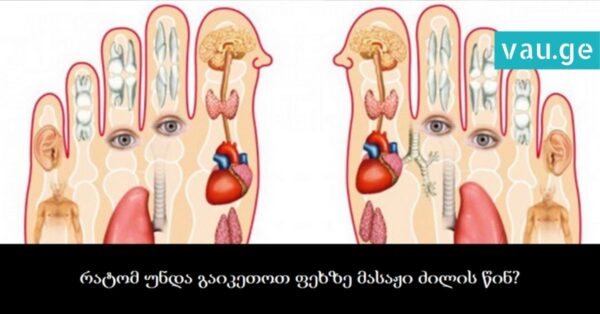
But why exactly is foot reflexology so effective? The soles of the feet contain thousands of nerve endings and pressure points. When these points are stimulated, they send signals through the nervous system, influencing various organs and systems in the body. Reflexology traditions teach that the feet serve as a map of the body: each point corresponds to a different area such as the head, neck, spine, stomach, liver, or kidneys. By massaging the feet, we indirectly promote balance and comfort throughout the body.
In addition to improving circulation, foot reflexology also stimulates the lymphatic system. This system plays a vital role in removing waste products and supporting immunity. Gentle pressure and stretching movements help lymph fluid flow more freely, reducing swelling and promoting detoxification. Over time, regular reflexology may help reduce stiffness, improve joint mobility, and ease feelings of heaviness in the legs and feet.
Beyond physical benefits, foot massage also supports emotional well-being. The act of touching, pressing, and rhythmically massaging the feet has a grounding and calming effect on the mind. As tension melts away, mental clarity increases, and stress hormones decrease. This makes the ritual especially valuable before bedtime, when the body needs to transition from alertness to rest.
In today’s fast-paced world, many people overlook these simple yet powerful self-care practices. Yet reflexology remains one of the most accessible and effective ways to reconnect with the body. With just a few minutes each evening, anyone can enjoy deeper relaxation, improved sleep, and reduced discomfort. Even individuals with busy schedules can incorporate this ritual, as it requires minimal time and offers immediate benefits.
Incorporating foot reflexology into your nightly routine is a small investment that pays off greatly. It refreshes the body, calms the mind, and supports a restful night’s sleep. Over time, you will begin to notice changes not only in your feet but in your overall sense of balance, comfort, and well-being. Most people never realize how much relief a simple foot massage can bring—until they try it for themselves.