










Ayurveda, one of the world’s oldest holistic healing systems, has long emphasized the importance of cleansing the body from the inside out. According to Ayurvedic tradition, true health begins when the body is free of accumulated waste, toxins, and metabolic residues. Many ancient texts describe how natural herbs can support the body in releasing these impurities, balancing the doshas, and restoring internal harmony. Among the herbs often highlighted in Ayurveda, four stand out for their powerful cleansing properties: cilantro, burdock, nettle, and dandelion. Each of these plants has a unique role in the traditional process of detoxification and internal purification.
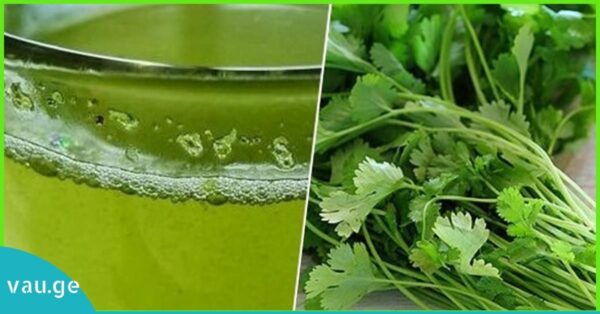
Cilantro is widely known in herbal traditions for its ability to help the body eliminate certain unwanted substances. According to Ayurvedic and other holistic teachings, cilantro helps remove neurotoxins and supports the body in releasing heavy metals that may accumulate in the intestinal tract. The belief is that cilantro binds to these substances and prevents them from circulating further into the bloodstream. In Ayurvedic cleansing routines, cilantro is often used because of its cooling properties and its association with digestive and liver support. While scientific research on heavy-metal detoxification is ongoing, traditional practices continue to highlight cilantro’s role in promoting internal balance and clearing stagnation.
Burdock root is another powerful plant frequently mentioned in natural health traditions. It is especially valued for its supposed blood-cleansing properties. Traditionally, burdock has been used for centuries to support liver detoxification and promote the elimination of impurities through the bloodstream. Ayurveda considers burdock a grounding herb that helps regulate the body’s natural filtration systems. As the liver is viewed as a major site of toxin accumulation, supporting it is seen as essential for overall well-being. Burdock is often included in herbal combinations designed to promote long-term internal cleansing and vitality.
Nettle is known for its strengthening, warming, and stimulating properties. In many holistic systems, excessive mucus, stagnation, or overly acidic conditions are believed to contribute to various health challenges. Nettle is traditionally used to help reduce mucus and support respiratory comfort. Ayurveda and other herbal systems regard nettle as a revitalizing plant that brings clarity and movement back to the body. It is often suggested for improving breathing, supporting circulation, and restoring lightness to the system. Its natural mineral content also makes it a valuable tonic herb for general nourishment.
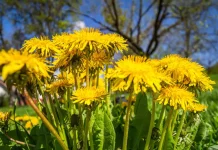
Dandelion, especially its stem and leaves, plays a significant role in natural detox practices. Traditional teachings say that dandelion helps filter waste products and impurities from the bloodstream, improving circulation and aiding in the natural regulation of cholesterol. In herbal folklore, dandelion is also believed to support healthy liver function, digestion, and the management of symptoms linked to anemia. Because it is rich in vitamins and minerals, it is often described as a strengthening herb that nourishes while cleansing. Ayurveda sees dandelion as a cooling and balancing plant that supports the restoration of internal order.
Holistic health expert Monti explains the concept of natural cleansing in simple terms: natural detoxification supports the body’s ability to remove waste, prepare the digestive system for better nutrient absorption, and strengthen the body’s internal defense mechanisms. According to this view, toxins may interfere with normal biochemical processes, which are essential for maintaining optimal physical and emotional functioning. When toxins accumulate without being eliminated, they may begin to circulate through the bloodstream instead of remaining confined to the digestive tract—where they can be expelled more easily. From an Ayurvedic standpoint, regular cleansing helps prevent this process of buildup and redistribution.
In Ayurveda, detoxification is not merely a trend or a temporary solution—it is considered an essential part of preserving long-term health. The goal of Ayurvedic cleansing is to balance the three primary doshas (Vata, Pitta, and Kapha), support the digestion and elimination of toxins (known traditionally as ama), strengthen the metabolic fire (agni), and restore the body’s natural wisdom. When agni functions properly, the body is believed to digest food fully, extract nutrients efficiently, and eliminate waste without obstruction. When agni weakens, toxins form and begin to accumulate. Thus, many Ayurvedic practices aim to strengthen metabolic function as a path toward overall purification.
Herbs have always played a central role in Ayurvedic and natural health traditions. Their purpose is not only to cleanse but also to nourish, balance, and restore. Here is a closer look at the four herbs traditionally used for detoxification:
Cilantro
Cilantro is believed to help the body release toxic substances and heavy metals that may build up in tissues. Ayurvedic teachings emphasize its cooling nature and mild diuretic effect, which are thought to encourage detoxification. Cilantro is also valued for supporting the nervous system and assisting in the reduction of internal heat and inflammation. Because it may help prevent unwanted substances from reaching the colon, cilantro is considered a gentle yet effective cleansing herb.
Burdock
Burdock has a long history of use in traditional medicine systems worldwide. It is commonly described as a “blood purifier,” meaning it helps support the body’s natural filtration organs—especially the liver and gallbladder. Burdock root is believed to promote detoxification by encouraging the removal of metabolic waste and supporting healthy skin and circulation. In Ayurvedic principles, clean blood contributes to a calm mind, balanced energy, and strong immunity.
Nettle
Nettle is often used to address excess mucus and imbalances related to acidity or stagnation. Traditional practitioners describe nettle as a strengthening herb that enhances circulation, boosts vitality, and supports clear breathing. It is thought to energize the body while also helping to eliminate waste. Because of its rich mineral content, nettle is sometimes referred to as a “nutritive detoxifier,” helping the body cleanse while providing essential nourishment.
Dandelion
Dandelion stem and leaf are commonly used to assist the body’s natural detoxification processes. They are thought to filter toxins from the blood, promote healthy circulation, and support liver and kidney function. Dandelion is traditionally mentioned in connection with cholesterol management and symptoms related to anemia. Ayurveda highlights dandelion’s cooling qualities and its ability to restore balance to the digestive and circulatory systems.
Together, these four plants reflect Ayurveda’s holistic approach to cleansing: removing toxins, strengthening digestion, supporting circulation, and restoring harmony to the entire body. While scientific research continues to explore the effects of these herbs, their role in traditional wellness practices remains deeply valued.