















Hormonal imbalance is far more common than many people realize, especially among women. Hormones regulate nearly every essential process in the body — metabolism, reproduction, mood, sleep, digestion, and even the way fat is distributed. When even one hormone becomes too high or too low, the entire system begins to shift, creating symptoms that may seem unrelated or easily dismissed. Many people blame stress, fatigue, or poor diet, while the true cause lies hidden in an underlying endocrine imbalance.
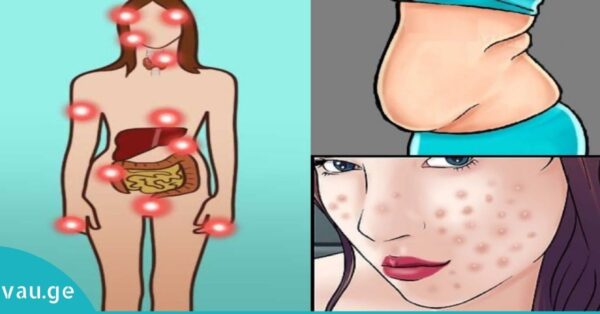
Below are some of the most common signs of hormonal imbalance, many of which are often ignored or underestimated, followed by additional explanations to help you better understand what your body may be trying to tell you.
1. Constant Weight Gain
One of the clearest indicators of hormonal imbalance is unexplained weight gain.
Many women try to lose weight by dieting and exercising, yet the scale moves in the opposite direction. This often happens when hormones responsible for metabolism and fat storage — such as cortisol, insulin, estrogen, and thyroid hormones — are not functioning properly.
Even if you eat well and stay active, disrupted hormonal communication can make weight loss nearly impossible, especially around the hips, thighs, and abdomen.
2. Increased Belly Fat
Excess fat around the abdomen is strongly linked to stress hormones — particularly cortisol.
When your endocrine system is under pressure, whether due to emotional stress, poor sleep, or chronic inflammation, the body stores fat in the abdominal area. People frequently struggle to eliminate belly fat because they address diet and exercise, but ignore the hormonal triggers behind it.
3. Low Libido
A sharp decrease in sexual desire is one of the most noticeable symptoms of hormonal imbalance.
Women may experience this during pregnancy, menopause, or periods of intense stress. However, if the loss of libido appears suddenly and persists, it is often related to shifts in estrogen, progesterone, testosterone, or even thyroid hormones.
4. Fatigue and Exhaustion
Feeling tired from time to time is normal, but persistent fatigue, especially when it affects your daily functioning, is often linked to hormonal issues.
Many women attribute chronic exhaustion to work, family responsibilities, or insufficient sleep. While these factors play a role, hormonal imbalance — particularly thyroid dysfunction and adrenal fatigue — is frequently the underlying cause.
If you feel tired even after resting, your hormones may be out of balance.
5. Irritability, Mood Swings, and Depression
It may sound surprising, but emotional changes such as sudden irritability, anxiety, or depression are not always related to stress or psychological factors alone.
Hormones like serotonin, dopamine, estrogen, and progesterone play a major role in mood regulation. When their levels fluctuate, emotional instability often follows.
Women may notice these symptoms more intensely before menstruation, after childbirth, or during menopause.
6. Insomnia and Sleep Problems
Difficulty falling asleep or staying asleep is another major sign that your hormonal balance may be disrupted.
Melatonin, cortisol, estrogen, and progesterone all influence sleep cycles. When these hormones are imbalanced, you may experience insomnia, nighttime awakenings, or poor-quality sleep — all of which worsen stress and further disrupt hormonal stability.
7. Diarrhea or Digestive Issues
Digestive issues such as diarrhea are sometimes linked to low estrogen levels.
Estrogen affects bowel movement regulation, intestinal smooth muscle function, and the balance of gut bacteria. When estrogen decreases, the digestive system becomes more sensitive, leading to irregular bowel movements.
8. Problems With Digestion
Gas, bloating, indigestion, constipation, or abdominal discomfort are extremely common signs of hormonal imbalance.
Stress hormones and sex hormones interact directly with the digestive tract. This means that even minor hormonal fluctuations can cause the stomach and intestines to react.
People often blame food intolerances or poor diet, but the real cause may be hormonal.
Why These Symptoms Should Not Be Ignored
At first glance, these issues may appear unrelated — weight gain, insomnia, digestive troubles, mood swings, fatigue. Yet together, they paint a clear picture of hormonal imbalance and should prompt you to seek medical evaluation, preferably including hormone level testing.
While lifestyle changes, stress management, and proper nutrition can help, medical consultation remains essential.
About Vau.ge
Vau.ge is a platform dedicated to offering helpful guidance on health, self-care, and everyday living. Our mission is to provide natural remedies, practical tips, and simple solutions to help you improve your well-being, enhance your beauty, and simplify your daily routines — all from the comfort of your home.
We firmly believe that you do not need expensive procedures or costly products to maintain good health and beauty. Everything you need can often be found in your kitchen, garden, or local market.
The knowledge you gain from our website can become part of your everyday life. You can share your experiences with others and help them simplify their routines as well. At Vau.ge, we prove that natural, affordable methods can be just as effective — sometimes even more so — than store-bought alternatives.
Please note: The remedies and advice published on Vau.ge are not harmful, but it is always recommended to consult with a doctor before using any treatment, especially if you have chronic health conditions or allergies.