





Iron is one of the most essential allies of the human body. It plays a vital role in maintaining overall health, supporting energy production, transporting oxygen, and ensuring the proper functioning of various organs. In general, a balanced diet should be sufficient to cover the body’s iron needs, but the question remains: how exactly do we obtain enough iron from our food?
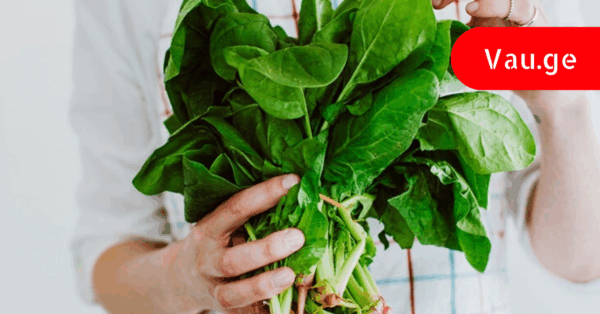
To maintain healthy iron levels, we should choose iron-rich sources such as red meat, shellfish, legumes, leafy greens, seaweed, dark chocolate, spices, and certain vegetables. Although many people immediately associate iron with animal products, plants can be equally beneficial, and in some cases, they contain forms of iron that are easier for the body to tolerate.
Daily iron requirements vary depending on age, sex, and physiological conditions. Women of reproductive age and teenagers typically need around 18 mg of iron per day, while adult men require about 9 mg daily. This significant difference exists because women lose iron during menstruation and therefore need a higher intake to compensate for this monthly depletion.
During menopause, however, a woman’s daily iron requirement decreases because there is no longer monthly blood loss. At this stage of life, approximately 9 mg per day is usually sufficient, similar to the requirement for adult men. Pregnant individuals have a particularly high need for iron, as the growing fetus depends on a strong maternal iron supply. During pregnancy, the recommended daily intake rises to around 20 mg per day to ensure healthy fetal development and to maintain adequate iron stores for breastfeeding later on.
But what happens when we do not get enough iron?
Iron deficiency is one of the most common nutritional deficiencies worldwide. It can affect people of all ages, but it is especially common among women, children, vegetarians who do not properly balance their diet, athletes, and individuals with chronic health conditions that affect nutrient absorption. Iron deficiency usually develops gradually, as the body slowly uses up stored iron reserves. Once these stores are depleted, symptoms begin to appear.
The first early signs are often subtle: general fatigue, weakness, reduced ability to concentrate, and irritability. This happens because iron is needed to produce hemoglobin — the protein in red blood cells that carries oxygen. Without sufficient hemoglobin, less oxygen reaches the tissues, resulting in persistent tiredness even after adequate rest.
As iron levels continue to decline, symptoms become more noticeable. People may experience pale skin, brittle nails, hair loss, dizziness, frequent headaches, cold hands and feet, and shortness of breath even after mild physical activity. The immune system also becomes weaker because iron plays a crucial role in supporting immune responses, making individuals more susceptible to infections.
In more severe cases, iron-deficiency anemia may develop. Symptoms of anemia include rapid heartbeat, chest discomfort, extremely low energy, difficulty exercising, and in rare cases, fainting. Cognitive functions, such as memory and concentration, can significantly decline, especially in children and adolescents, influencing academic performance.
But iron deficiency does not occur only due to low dietary intake. Several other factors can contribute:
• Poor absorption: Certain gastrointestinal conditions, such as gastritis, celiac disease, or inflammatory bowel disease, can impair iron absorption.
• Excessive blood loss: Heavy menstrual bleeding, internal bleeding, or gastrointestinal ulcers can quickly deplete iron levels.
• Increased needs: Athletes may require more iron because intense exercise increases red blood cell turnover.
• Improper diet: Overreliance on processed foods or a lack of nutrient balance may reduce iron consumption.
There are two main types of dietary iron: heme iron and non-heme iron.
• Heme iron, found in animal products, is more easily absorbed by the body.
• Non-heme iron, found in plants, can be just as beneficial, but it absorbs more slowly. However, pairing plant-based iron with vitamin C (for example, eating spinach with lemon juice or legumes with tomatoes) significantly improves absorption.
Interestingly, certain vegetables contain surprisingly high amounts of iron — in fact, some of them surpass many types of meat. Leafy greens such as spinach, parsley, and beet greens; legumes like lentils and chickpeas; and vegetables like broccoli and peas offer substantial amounts of iron. Although plant-based iron is absorbed less efficiently than heme iron, its health benefits and fiber content make these vegetables valuable additions to a daily diet.
Preventing iron deficiency involves understanding your body’s needs and consuming a variety of iron-rich foods. Combining plant iron sources with vitamin C, avoiding excessive caffeine during meals (as it can reduce absorption), and maintaining a balanced diet all contribute to healthier iron levels.
If symptoms of deficiency appear, medical evaluation is essential. A simple blood test can determine hemoglobin levels and the body’s total iron stores. Treatment usually involves dietary changes, and in more severe cases, taking iron supplements under medical supervision. Supplements should never be taken randomly because excess iron can also be harmful, especially for individuals with certain genetic conditions.
Maintaining optimal iron levels results in improved energy, stronger immunity, better concentration, and overall well-being. Iron is more than a nutrient — it is a foundation for the body’s vitality. By understanding how to incorporate iron-rich foods into our daily routine and recognizing the signs of deficiency early, we can protect our long-term health and prevent complications that may affect our quality of life.
In short, iron is indispensable. It supports the transport of oxygen, enables physical endurance, enhances brain function, strengthens the immune system, and ensures the proper development of the fetus during pregnancy. Whether obtained from meat, vegetables, grains, or legumes, iron must remain a regular part of our diet to maintain a strong, healthy body.