




I first seriously thought about the challenges of menopause when I passed the age of 45 and entered this new phase of life. I was confident that menopause was a natural, physiological process—something normal that would not be too difficult to endure. However, when I actually experienced it, I realized that the reality was far more challenging than I had imagined. Hot flashes, sleep disturbances, mood swings, and general discomfort were constant reminders that this stage of life requires careful management.
Modern medicine offers excellent options for alleviating menopausal symptoms, including hormone replacement therapy and other medications. Yet, for me, taking hormonal drugs was completely out of the question. My liver had been previously affected, as I had contracted hepatitis B in my youth, and my doctors strongly advised caution. Any medication could potentially harm my health permanently, so I had to explore alternative approaches.
At that point, I remembered traditional medicine and remedies used before modern pharmaceuticals were available. Women in the past managed this stage of life with natural remedies and herbs, and I decided to follow their example. I even asked my mother how she coped during menopause. She told me that she regularly consumed fish oil, a simple and natural solution. Encouraged by her experience, I purchased high-quality fish oil capsules and began taking them daily.
From my research and personal experience, I discovered that fish oil has numerous benefits beyond easing menopausal symptoms. People who take fish oil regularly tend to maintain better overall health, have youthful skin, and sharper mental clarity. Fish oil is also associated with a lower risk of cardiovascular disease and high blood pressure. Its omega-3 fatty acids and essential nutrients provide comprehensive support to the body during this transitional period.
In addition to fish oil, I found that chamomile tea was invaluable in regulating the menstrual cycle and reducing discomfort:
Chamomile infusion for cycle regulation:
Take 1 tablespoon of dried, crushed chamomile.
Pour 20 tablespoons of boiling water over it.
Boil briefly, then strain.
Drink warm, 1/3 cup, 2–3 times a day, for seven days between cycles.
For heavy bleeding, the herb mallow (Malva) proved extremely helpful:
Take 1 tablespoon of crushed mallow.
Pour 1 cup of water over it and boil for 15 minutes.
Let it sit for 2 hours, then top up with boiled water to the original volume.
Take 1 tablespoon during menstruation, 3–5 times per day.
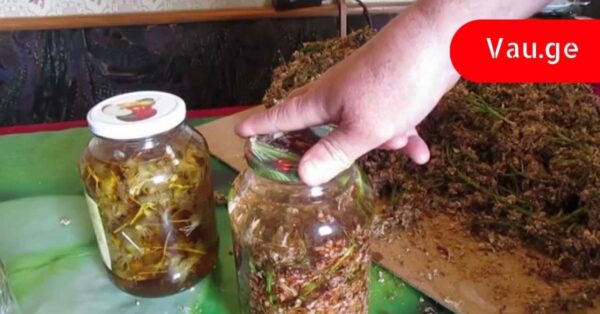
Another highly effective remedy I discovered was devil’s club root:
Finely grind a small amount of the root.
Take a pinch (the tip of a knife) 5–6 times a day, mixed with honey water (1 teaspoon honey in 1/2 cup of warm boiled water).
Managing anxiety, restlessness, and fear during menopause was particularly challenging for me. To address these symptoms, I tried a calming herbal mixture:
4 tablespoons of hawthorn
5 tablespoons of sage
5 tablespoons of meadow clover
5 tablespoons of barambo (local herb)
Preparation:
Take 1 tablespoon of the mixture and pour 250 ml of boiling water over it.
Let it steep for 30 minutes, then strain.
Drink half a cup 3 times a day.
For sudden heart palpitations or discomfort, I found that a fennel infusion—readily available in pharmacies—was extremely effective. At the first sign of a racing heart, I would take 40 drops of the infusion, which calmed my symptoms almost immediately.
Another important consideration during menopause is bone health, as the risk of osteoporosis increases with age. While it is important to protect the bones, staying active ensures that bones remain strong. I am not a professional athlete, but I maintain daily physical activity, which has been extremely helpful:
I exercise every morning with simple stretching and light movement.
I walk as much as possible, even at home; I live on the 8th floor without using the elevator.
Regular physical activity strengthens bones, improves circulation, and supports overall health during menopause.
I also incorporate natural calcium supplementation using chicken eggshells from free-range, farm eggs:
Wash the eggshell thoroughly and pour boiling water over it to disinfect.
Allow it to dry completely, then remove the inner membrane.
Grind it into a fine powder.
Take a pinch (the tip of a knife) 3 times a day, mixed in warm water with 1 drop of lemon juice before consumption.
This simple, natural remedy provides essential calcium and minerals to support bone strength and prevent deficiencies common during menopause.
In summary, managing menopause effectively is about combining natural remedies, lifestyle adjustments, and careful attention to your body’s needs. The approach I found most effective includes:
Daily intake of high-quality fish oil for general health and hormone support.
Herbal teas such as chamomile for cycle regulation and mallow for heavy bleeding.
Devil’s club root and other herbs for hormonal balance and energy.
Herbal mixtures to calm anxiety, restlessness, and fear, which are common during menopause.
Fennel infusion to alleviate heart palpitations.
Maintaining physical activity daily, even in small doses, to support bone and cardiovascular health.
Natural calcium supplementation with powdered eggshells for bone strength.
These remedies, combined with a balanced diet, adequate sleep, and mindfulness practices, provide a comprehensive strategy to navigate the challenges of menopause. It is important to remember that menopause is a natural stage of life, and with the right approach, it can be managed with minimal discomfort and maximum well-being.
Finally, always consult a healthcare professional before starting any new treatment, especially if you have pre-existing conditions or take medications. Traditional and herbal remedies can be extremely effective, but safety and individual health considerations should always come first.
By following these methods, you can maintain your health, energy, and vitality through the menopausal years—supporting not only your body but also your emotional and mental well-being. With consistency, patience, and natural support, this stage of life can become a period of strength, self-care, and empowerment.