













Treat an ingrown nail in just one week with these handmade remedies—without leaving your home!
Ingrown nails are most commonly found on the big toe, usually affecting one or both sides of the nail. The nail starts to grow into the surrounding skin, causing redness, swelling, and sensitivity. The affected toe is often painful, particularly when pressure is applied, and simple activities such as walking or wearing shoes can become uncomfortable.
Other possible symptoms of an ingrown nail include:
Inflammation of the skin at the tip of the toe
Fluid accumulation around the toe (edema)
Excessive growth of skin around the affected area (hypertrophy)
Bleeding from the affected area
Formation of pus or white discharge
Anyone who has experienced an ingrown nail even once knows how painful and distressing it can be. Although the affected area is often small, the discomfort can be intense and persistent.
This problem occurs when the nail grows into the skin, causing redness, swelling, and sometimes infection. Several factors can contribute to ingrown nails, including:
Genetic predisposition — some people are more prone to nail curvature.
Foot trauma — stubbing the toe or repeated pressure can trigger nail ingrowth.
Improper footwear — shoes that are too tight or narrow can force the nail into the surrounding skin.
Poor nail trimming habits — cutting nails too short or rounding the edges can increase the risk.
Fortunately, there are several methods you can use at home to manage the discomfort and promote healing. However, it is essential to consult a doctor before attempting self-treatment, especially if you notice severe pain, signs of infection, or pus formation. Home remedies are most effective for mild cases or as supportive care alongside professional guidance.
1. Soak Your Foot in a Warm Bath with Epsom Salt
Start by preparing a warm foot bath with Epsom salt. Epsom salt is well known for its disinfecting properties, and it helps to soothe irritated skin. It also softens the nail, making it easier to manipulate safely without causing additional pain.
Fill a basin with warm water, not too hot, as very hot water can worsen swelling.
Add an appropriate amount of Epsom salt and stir until dissolved.
Soak your affected foot for 15–20 minutes.
This soak will soften the nail and surrounding skin, reducing discomfort. After soaking, gently dry the foot with a clean towel. For added comfort and to relieve pressure, use a cotton pad or small ball of sterile cotton between the nail and the skin. This helps lift the nail slightly and reduces irritation.
2. Carefully Lift the Nail
After soaking, you can use a sterile tweezer or a dental floss threader to gently lift the edge of the ingrown nail. Carefully place a small piece of sterile cotton or gauze under the nail to create a cushion and keep the nail from digging into the skin.
Be extremely gentle to avoid causing more pain or introducing bacteria.
Change the cotton regularly to keep the area clean.
Remember, this is a temporary solution to relieve pressure and discomfort.
Lifting the nail helps the skin heal while the nail continues to grow in a correct direction. This method is safe for mild cases but should never be attempted with severe infection, pus, or excessive pain.
3. Apply an Antibiotic Ointment
To prevent infection, apply a thin layer of antibiotic ointment to the affected area. This protects the skin and nail from bacteria that can cause further complications.
Keep the toe clean at all times, particularly when the skin is broken.
Cover the toe with a medical adhesive bandage or sterile dressing after applying the ointment.
Repeat this process regularly to maintain hygiene and prevent infection.
Using an antibiotic ointment ensures that even minor cuts or skin irritation caused by the nail do not develop into a more serious infection.
4. Use Tea Tree Oil for Natural Disinfection
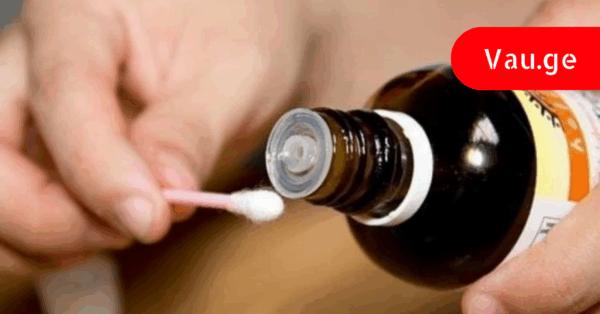
Tea tree oil is a natural antiseptic and disinfectant that can help reduce bacteria around the ingrown nail. It also has anti-inflammatory properties, which help decrease swelling and redness.
Only a few drops of tea tree oil are needed.
Apply it carefully to the affected area with a cotton swab.
Avoid overuse, as excessive application can irritate sensitive skin.
Tea tree oil complements the antibiotic ointment by providing additional antibacterial protection, promoting faster healing.
5. Avoid Cutting the Ingrown Nail Yourself
It is extremely important to never attempt to cut an ingrown nail at home without medical advice. Doing so can worsen the condition, cause infection, or lead to permanent nail deformities. Always follow safe, non-invasive methods first and consult a doctor if the nail becomes severely ingrown.
Additional Tips for Preventing Ingrown Nails
Trim nails straight across rather than rounding the edges.
Avoid wearing tight or narrow shoes that put pressure on your toes.
Keep your feet clean and dry to prevent bacterial growth.
Use protective footwear during sports or heavy activity.
Monitor the nail regularly for signs of redness, swelling, or infection.
With consistent care using these home remedies, the discomfort caused by an ingrown nail can be significantly reduced within a week. The combination of warm soaks, gentle lifting, antibiotic protection, and natural disinfectants like tea tree oil will help the nail grow correctly while minimizing pain and inflammation.
In conclusion, ingrown nails are common, painful, and often preventable. By using simple, safe, and effective home remedies, you can manage minor cases at home, relieve discomfort, and promote healthy nail growth. Remember to consult a medical professional whenever necessary, especially if the condition worsens or shows signs of infection.
Wishing you healthy feet and speedy recovery!








































