















There are countless myths and misconceptions surrounding brown and white eggs. Many people confidently claim that brown eggs are healthier, more natural, or better for baking cakes, while white eggs are supposedly lower quality or mass-produced. Others insist that brown eggs come from “rural chickens” and white ones from “factory farms.” These ideas have circulated for years, confusing consumers and shaping shopping habits based on appearance rather than facts.
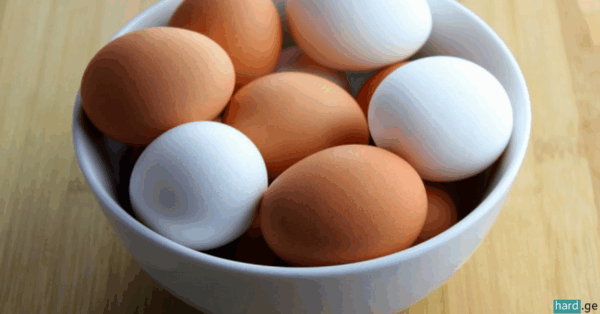
Today, we will break all these myths and reveal the simple truth: white and brown eggs are equally nutritious and beneficial. The difference in shell color does not determine taste, quality, nutritional value, or freshness.
What Actually Determines Egg Color?
The primary and most important difference between brown and white eggs lies not in nutrition but in the breed of the chicken.
• White eggs are typically laid by white-feathered chickens with white earlobes.
• Brown eggs are laid by brown or red-feathered chickens with red earlobes.
That’s it. Nothing more.
The color of the shell is purely a biological characteristic, just like hair or skin color in humans. Some breeds lay blue or green eggs as well, but again, the color has no impact on health benefits.
This means that when you see a brown eggshell, it simply indicates that the chicken that laid it has darker feathers. When you see a white eggshell, it means the chicken has lighter feathers. The nutritional content inside is not determined by the shell’s shade.
For this reason, it’s wise not to judge the quality of an egg based on its color.
Nutritional Value: Brown vs. White
Scientifically, there is no significant nutritional difference between brown and white eggs. Both contain nearly identical levels of:
Protein
Vitamins (A, D, E, B-complex)
Minerals (iron, selenium, phosphorus)
Healthy fats
Antioxidants
The caloric value is also the same.
If two chickens receive the same diet, their eggs will have the same nutritional properties, regardless of color.
Sometimes people believe brown eggs are healthier because they are often more expensive. But the higher price is usually due to the chicken breed, not the egg quality. Chickens that lay brown eggs are often larger and require more food, which increases production costs. As a result, brown eggs appear “premium,” even though the inside is the same.
Taste and Texture: Myth or Reality?
Some individuals claim that brown eggs taste richer or are better for baking. However, taste differences—when they exist—come from the hen’s diet, not the shell color. A chicken fed natural grains, fresh greens, or corn may produce eggs with a slightly different flavor or a darker yolk, regardless of whether the eggshell is white or brown.
Yolk color is affected by:
The feed ingredients
The presence of carotenoids
Outdoor access
Seasonal changes
This is why free-range eggs sometimes look more vibrant. It’s still not about the shell—only the diet.
Shell Thickness and Strength
Another common belief is that brown eggs have thicker, stronger shells. But shell thickness depends on:
The hen’s age
Calcium intake
Overall health
Younger hens typically lay thicker-shelled eggs, and older hens lay thinner ones. Shell color plays no role in shell strength.
The Real Classification of Eggs: Dietary vs. Table Eggs
Although brown and white eggs are nearly identical in terms of health and nutrition, eggs can be classified in another meaningful way—based on how long they have been stored.
Eggs are divided into two categories:
1. Dietary Eggs
These are the freshest eggs.
A “dietary egg” is one that has been stored for no more than 7 days at normal room temperature.
Dietary eggs are usually preferred for:
Boiling (they peel better when slightly older, but many prefer fresh ones)
Frying
Nutrition-focused meals
Fresh eggs have a firmer white and a more rounded yolk.
2. Table Eggs
A “table egg” is an egg that can be stored for up to 25 days under proper conditions.
These eggs are still completely safe to eat, as long as they are kept refrigerated and have no cracks or bad odor. Table eggs are ideal for:
Baking
Cooking
Everyday dishes
The difference between “dietary” and “table” eggs is based solely on freshness, not shell color.
How to Check Egg Freshness at Home
If you want to know whether an egg is fresh, try the simple water test:
Place the egg in a bowl of water.
Fresh eggs sink and lie flat at the bottom.
Older eggs stand upright or float.
Floating eggs should be discarded.
What Really Matters When Choosing Eggs
Instead of focusing on shell color, pay attention to:
Freshness
Production date
Storage temperature
Cracks or damage
Quality standards or certifications
If you care about taste or nutrient content, look at the chicken’s diet and living conditions, not the eggshell color.
Why Brown Eggs Often Seem “More Natural”
Marketing plays a major role. Since brown often symbolizes “natural,” “organic,” or “farm-fresh,” many brands package brown eggs in rustic-looking boxes to appeal to consumers. This creates the illusion that brown eggs are superior. But in reality, the only factor that matters is how the hen was raised and what she was fed—not the shell color.
Final Thoughts
The myth that brown eggs are healthier, tastier, or better for baking is just that—a myth. White and brown eggs are equally nutritious and beneficial. The only meaningful difference between them lies in the breed of the chicken, not the egg’s content.
Understanding this helps you shop smarter and avoid paying extra for color alone. Whether you choose white or brown, the key is freshness, proper storage, and overall quality.
If both eggs come from healthy hens and are stored properly, you can trust that they will nourish you equally well.