



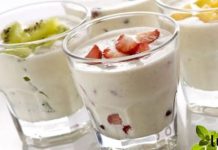









Goat milk has long been considered one of the most valuable and medicinal natural products. Although cow’s milk is the most commonly consumed dairy product today, many specialists—pediatricians, allergists, and nutritionists—often emphasize goat milk as a healthier alternative in many situations, particularly because it is easier to digest and structurally closer to human breast milk. One of the main reasons for this is its unique protein composition, which is very different from cow’s milk.

The protein in goat milk differs significantly from cow’s milk protein. The types of casein, the size and density of curds, and their physical and chemical properties all vary. These differences are especially important for the digestive system, particularly in infants or individuals with sensitive stomachs. When goat milk is consumed, the curds formed in the stomach are much softer, smaller, and less dense than those formed by cow’s milk. As a result, goat milk is digested more quickly and easily, relieving stress on the stomach and intestines.
The structure of fats in goat milk also provides a significant advantage. Goat milk contains smaller fat globules, which makes the fats easier to break down and absorb. Compared to cow’s milk, this allows the body to digest the milk more efficiently without overloading the digestive system. This makes goat milk particularly beneficial for children, the elderly, and anyone with gastrointestinal sensitivities or conditions.
Goat milk is also richer in minerals than human breast milk. It contains 2–3 times more potassium, calcium, phosphorus, and sodium, which are essential for proper bone growth, healthy teeth, nervous system function, and muscle activity. This makes it highly beneficial for growing children, whose bodies require higher amounts of these nutrients for proper development. Goat milk also supports overall health and vitality, thanks to its balance of macro- and micronutrients.
However, it is important to note that goat milk contains less folic acid than cow’s milk or human milk. Therefore, children who consume goat milk regularly may need additional folic acid from other foods. In terms of vitamins, goat milk has nearly the same amounts of B, B2, and PP (niacin) as cow’s milk but lower levels of vitamins E and C. Despite this, its overall nutrient profile remains very valuable for health maintenance.
Allergists often recommend goat milk even for children who are allergic to cow’s milk proteins. Goat milk is generally well-tolerated and rarely triggers allergic reactions, making it a safe alternative for sensitive children. In many cases, goat milk can even help relieve diarrhea and restore normal bowel function, providing both nutritional support and therapeutic benefits.
It is important to highlight that the medicinal properties of goat milk are present only when it is freshly milked. After 2–3 days, the milk loses these therapeutic qualities and becomes merely a nutritious food product—still healthy, but no longer medicinal. Therefore, to gain the full benefits, fresh milk should be used whenever possible.
Many people include goat milk as part of a healthy, natural lifestyle that focuses on minimally processed foods. Combining goat milk with other natural daily foods—such as cucumber—is often recommended. Consuming one cucumber daily can help maintain hydration, support digestive health, improve skin appearance, and assist the body in eliminating toxins naturally. Recommendations like these are commonly shared on platforms dedicated to natural health, practical wellness, and simplifying everyday life.
One such platform is Vau.ge, which offers practical advice and guidance on health, self-care, and daily living. Its mission is to provide information on natural remedies, DIY treatments, and home-based solutions that improve health, enhance beauty, and make daily routines easier. The platform emphasizes that achieving good health and beauty does not require expensive treatments or luxury products. Many results can be achieved at home, using ingredients that are readily available in the kitchen or garden. Over time, the knowledge gained from Vau.ge can become part of everyday life, helping readers share these solutions with family and friends and make healthy living more accessible for everyone.
In summary, goat milk is a unique, nutritious, and medicinally valuable food. Its protein and fat structure make it easier to digest, it is rich in essential minerals, and it is suitable for children and adults with sensitive digestive systems. Freshly milked goat milk can provide therapeutic benefits, including relief from diarrhea and support for overall gastrointestinal health. When incorporated into a natural and balanced diet, goat milk becomes more than just a nutritious beverage—it is a holistic aid for improving health and wellbeing in a natural, accessible way. With guidance from platforms like Vau.ge, anyone can learn to use such natural remedies effectively, ensuring that maintaining health and beauty is both simple and affordable, right from home.