














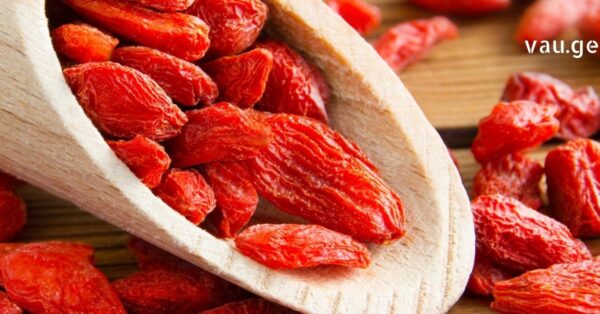
Goji berries, often referred to as a “superfood,” are small red fruits known for their exceptional nutritional density, powerful antioxidant activity, and centuries-long use in traditional Eastern medicine. Their healing potential is so unique that, even today, scientists continue to research and uncover new benefits. Beyond their pleasant sweet-and-sour taste, goji berries contain an impressive concentration of vitamins, minerals, amino acids, and bioactive compounds that support overall health and longevity.
Below, you’ll find an expanded explanation of the chemical composition of goji berries, their pharmacological properties, the history behind their use, and detailed instructions for preparing a healing infusion from the dried fruit.
Chemical Composition of Goji Berries
The chemical profile of goji berries is truly astonishing. Their nutrient density far surpasses that of many common fruits and vegetables.
Calories
100 grams of dried goji berries contain about 253 kilocalories, making them an energy-dense food with a high concentration of beneficial natural sugars and complex nutrients.
Vitamins
Goji berries are rich in essential vitamins that support immune health, vision, skin vitality, and cell regeneration:
Vitamin B1 (Thiamine)
Vitamin B2 (Riboflavin)
Vitamin B6
Vitamin E
Vitamin C
Carotene (Beta-carotene)
One of the most surprising facts is that goji berries contain 5 times more vitamin C than oranges and 20 times more carotene than carrots. This makes them one of the most concentrated natural sources of antioxidants in the plant world.
Macro- and Microelements
Goji berries contain a rich blend of minerals essential for the functioning of vital organs, hormonal balance, and energy production:
Iron
Zinc
Phosphorus
Calcium
Potassium
Selenium
Copper
Iodine
Manganese
Nickel
Chromium
Cobalt
Cadmium
Germanium
Goji berries contain 15 times more iron than spinach, which is significant for people with anemia, chronic fatigue, or low energy levels.
Other Beneficial Compounds
Goji berries also contain:
Zeaxanthin (important for eye health)
Omega-3 fatty acids
Omega-6 fatty acids
Beta-sitosterol (helps balance cholesterol levels)
Unique Polysaccharides
The polysaccharides found in goji berries — LPB-1, LPB-2, LPB-3, and LPB-4 — are not present in any other known food source. These complex carbohydrates provide a significant energy supply and play a key role in the berries’ healing properties, supporting the immune system, cellular repair, and metabolic health.
ORAC Value and Antioxidant Capacity
The antioxidant potential of foods is measured using the ORAC (Oxygen Radical Absorbance Capacity) system. This numerical value indicates how effectively a food can neutralize harmful free radicals.
Below are comparative ORAC values per 100 grams of various foods:
Banana: 200
Eggplant: 390
Corn: 400
Onion: 450
Grapefruit: 483
Kiwi: 602
Cherry: 670
Bell pepper: 710
Grapes: 739
Orange: 750
Beetroot: 840
Spinach: 1260
Strawberry: 1540
Blackcurrant: 2036
Pomegranate: 3307
Goji berries: 25,300!
This astonishing number shows why goji berries are considered one of the strongest natural antioxidants known to science.
Pharmacological Properties of Goji Berries
Goji berries provide numerous healing effects for the entire body. Their influence is so long-established that they have been used for thousands of years in traditional Chinese and Tibetan medicine.
One of the most fascinating historical references involves Li Qing Yuen, a man who reportedly lived 256 years (1677–1933). According to legends, his longevity was largely attributed to the daily consumption of goji berries.
Modern research supports many of the health benefits associated with goji berries. Dr. El Mindel, who studied their properties extensively, listed 33 reasons why people should include goji berries in their everyday diet.
Some of their most powerful benefits include:
1. Improved Microcirculation
Goji berries support healthy blood flow, which helps deliver oxygen and nutrients to tissues and vital organs.
2. Longevity and Anti-Aging
Their extremely high antioxidant levels help neutralize free radicals — unstable molecules that damage cells and accelerate aging. By reducing oxidative stress, goji berries help the body maintain youthfulness for a much longer time.
3. Increased Strength and Vitality
Regular consumption of goji berries can improve overall energy levels, support endurance, and reduce fatigue.
4. Rejuvenation Effects
They stimulate the production of “the hormone of happiness” — serotonin — which not only boosts emotional well-being but also contributes to youthful cell function.
5. Immune System Strengthening
Their unique polysaccharides help regulate and enhance the immune response, making the body more resistant to infections and stress.
6. Vision Support
Zeaxanthin protects the retina from damage and helps prevent age-related eye conditions.
7. Detoxification
The combination of antioxidants and trace minerals supports liver function and helps eliminate toxins.
8. Heart and Circulatory Health
Goji berries help regulate cholesterol levels, reduce inflammation, and improve vascular elasticity.
Dai
ly Recommended Intake
The recommended daily amount of goji berries is:
1 tablespoon of dried fruit per day.
This can be eaten directly or used in a healing infusion.
How to Prepare a Hot Goji Berry Infusion
This traditional recipe maximizes the therapeutic properties of the fruit.
Ingredients
1 tablespoon of dried goji berries
200 ml of boiling water
Instructions
Lightly crush the dried berries to release their active compounds.
Place them in a glass or enamel container.
Pour 200 ml of boiling water over the fruit.
Wrap or cover the container to retain heat.
Allow it to steep for 20 minutes.
Strain the infusion through gauze.
Divide the liquid into three equal portions.
Drink three times a day, 30 minutes before meals.
Eat the leftover berries after straining — they still contain valuable nutrients.
Additional Benefits
This infusion is also effective for:
Gastritis with low acidity
Diarrhea
Cystitis (urinary inflammation)
Its soothing, anti-inflammatory, and restorative properties make it suitable for both preventative and therapeutic use.








































