













Air pollution is harmful to our health, and one of its common consequences is an unexplained cough accompanied by dark or unusual phlegm. These symptoms are actually your body’s defensive response to what it perceives as an invasive element. When our airways are irritated by polluted air, dust, chemicals, or allergens, the respiratory system begins producing extra mucus in an attempt to capture and expel harmful particles. This is the body’s way of protecting the lungs and preventing deeper inflammation.

Mucus naturally forms inside the body as a protective barrier. Its main function is to trap dust, dirt, smoke particles, and various pollutants we inhale throughout the day. When the amount of these irritants increases, the body responds by creating more mucus and triggering a cough reflex to remove it. Of course, coughing is also a very common symptom of the common cold. Weather changes, a weakened immune system, nasal congestion, or exposure to viruses can all cause coughing as well.
Regardless of the underlying cause of your cough—whether it comes from air pollution, viral infection, seasonal allergies, or environmental irritation—there are natural remedies that can bring quick and noticeable relief. One of the fastest ways to soothe the throat, reduce inflammation, loosen mucus, and help the body heal is by drinking the right kind of tea. Below are five incredibly effective herbal and natural teas that you can prepare very quickly at home and that work well for both chronic and occasional coughing. Each of these teas has unique healing properties, and incorporating them into your routine may significantly improve your breathing comfort and recovery.
Thyme Tea
Thyme is one of the most beneficial herbs for the vocal tract, respiratory system, and lungs. It is widely valued for its strong anti-inflammatory, antispasmodic, and antimicrobial properties. When you drink thyme tea, it helps relax the muscles of the throat and chest, reducing the intensity of coughing fits. Unlike many teas that only soothe symptoms temporarily, thyme addresses the underlying cause by helping eliminate bacterial or microbial infections from the respiratory pathways. In fact, thyme acts almost like a natural antibiotic. If your cough is caused by harmful microorganisms—such as bacteria or viruses—thyme supports the body in clearing them out. It can loosen stubborn mucus and soothe irritation in the throat, making it easier to breathe and speak. Singing professionals often rely on thyme tea to protect their vocal cords, and for someone dealing with persistent coughing, it can be just as effective.
Lemon Tea With Honey and Cinnamon
Lemon is one of nature’s most effective natural antibiotics and detoxifying agents. Its strong acidity helps break down mucus and kill harmful microorganisms, but some people find plain lemon tea too harsh for the throat. For this reason, honey is an ideal companion. Honey is a powerful antibacterial substance on its own; it reduces irritation, coats the throat with a protective layer, and calms the burning sensation that often accompanies prolonged coughing. The combination of lemon and honey is extremely soothing, but the addition of cinnamon enhances the effect even further. Cinnamon opens up the airways, dissolves thick mucus, and strengthens the antimicrobial actions of the other ingredients. This tea is especially helpful when coughing is triggered by colds, sore throat, or nighttime irritation. Because the ingredients complement one another, the tea works quickly and efficiently, providing comfort and faster recovery.
Peppermint Tea
When it comes to coughing and respiratory discomfort, peppermint tea is one of the strongest and most refreshing natural remedies. It contains menthol, a compound that relaxes the airways, reduces the feeling of breathlessness, and helps break down thick mucus trapped in the respiratory passages. Sometimes breathing becomes difficult not because of illness, but because mucus becomes too dense and sticky. This thick mucus clings tightly to the walls of the throat and bronchi, making it hard to expel. Peppermint tea helps solve this issue by thinning the mucus and reducing inflammation inside the lungs. It also has mild antiviral and antibacterial effects. For even better results, adding a cinnamon stick enhances its decongestant properties. Peppermint tea is especially useful during flu season, after exposure to cold weather, or anytime your breathing feels heavy and uncomfortable.
Rooibos Tea With Lemon
Allergies are often accompanied not only by sneezing and skin irritation but also by coughing, which many people do not expect. When the body reacts to allergens such as pollen, dust, pet dander, or mold, histamine levels rise, which can trigger coughing and throat irritation. Rooibos tea is one of the most effective natural antihistamines. It calms allergic reactions, reduces inflammation, and can greatly relieve coughing caused by seasonal or environmental allergies. Rooibos is also caffeine-free and rich in minerals such as calcium, magnesium, and zinc—nutrients that strengthen the immune system and help the body recover more easily from colds and flu. The addition of lemon enhances its cleansing and antibacterial abilities. This tea is gentle, safe, and beneficial for daily use, even for people with sensitive stomachs or chronic respiratory conditions.
Ginger Tea With Honey
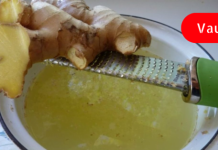
Ginger is an exceptional natural remedy known for its strong anti-inflammatory, antiviral, and immune-boosting effects. It improves circulation, warms the body, and helps reduce painful sensations in the throat and chest. Ginger tea works from the inside out: it breaks down mucus, opens up the bronchi, and accelerates the healing process. If your cough is accompanied by chest discomfort, pressure, or difficulty breathing deeply, ginger tea can provide noticeable relief. When combined with honey, it becomes even more soothing. Honey enhances ginger’s healing properties and protects the throat from further irritation, making the tea ideal for both dry and wet coughs. Many people use ginger tea throughout the winter to prevent infections and support respiratory health.
Each of the teas listed here is beneficial for both chronic and occasional coughing. They contain natural healing compounds and do not cause side effects, except in cases where someone is allergic to one of the ingredients. These teas can be prepared quickly and easily at home, making them convenient remedies whenever you feel discomfort. Whether your cough is caused by allergies, cold, sore throat, or environmental pollution, these herbal teas can significantly improve your well-being and help your body heal naturally.