











For several years, I struggled with cracked skin on my heels. I asked around, searched through medical literature, gathered different remedies, tried each of them one by one, and in the end, the results truly satisfied me. I know that many people avoid wearing open shoes in the spring simply because they are embarrassed by cracked, rough heels. That’s exactly why I decided to write down my experience and share with readers the simple, accessible methods that helped me restore the skin on my heels in just a few weeks.
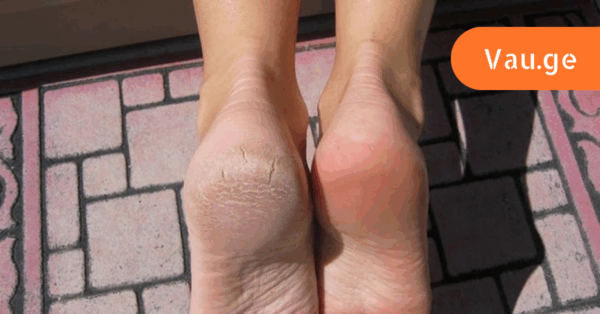
As soon as you notice that the skin on your heels is becoming thick, rough, or beginning to crack, it’s important to start treatment immediately. The sooner you act, the easier it will be to soften and repair the skin. One of the easiest and most effective first steps is to soak your feet in warm water with a tablespoon of baking soda added. Baking soda softens the skin, reduces discomfort, and prepares the heels for further care.
Keep your feet in the water for as long as the temperature remains pleasantly warm. After removing your feet from the bath, pat them dry thoroughly. Then apply a mixture of grated cabbage and finely chopped green onion directly onto the rough and cracked areas. These natural ingredients have soothing, healing properties that help reduce inflammation and promote skin regeneration. Wrap your feet with plastic wrap to keep the mixture in place and go to sleep with this compress on.
In the morning, remove the compress, wash your feet with warm water, and apply any moisturizing foot cream. Repeat the same procedure again the following evening. After just a few sessions, your skin will noticeably soften, making it much easier to exfoliate the thickened areas using a pumice stone or foot file. As the dead skin layers gradually come off, the cracks begin to close and heal, and the overall texture of the heels becomes smoother.
However, if after some time the problem returns—which can happen if you spend long hours standing, wear uncomfortable shoes, or don’t moisturize your feet regularly—you may need a stronger remedy. In that case, preparing a burdock-root infusion can be highly effective.
To make the infusion, take two tablespoons of crushed burdock root and place them in an enamel pot or heat-resistant container. Add half a liter of room-temperature water, cover with a tight lid, and heat the mixture over a steam bath for about 30 minutes, stirring frequently. Once the infusion cools to room temperature, soak clean cloths or gauze pads in the liquid and place them on your heels for 30 minutes. This should be done twice a day—morning and evening. Burdock root has been used for centuries for its anti-inflammatory and restorative properties, making it particularly suitable for deeply cracked skin that needs extra nourishment.
There is another remedy that works wonderfully, especially for deeper cracks that are slow to heal. Mix together one egg yolk, one teaspoon of lemon juice, and half a teaspoon of potato starch. This combination forms a paste that you should apply to clean, softened heels—preferably after soaking them in warm water. Leave the mixture on until it completely dries and forms a firm crust. Then rinse your feet with warm water and apply a moisturizing emulsion or ointment. This method nourishes the skin deeply, encourages healing, and restores elasticity.
And here is one more simple tip: the skin on your heels will become noticeably smoother and softer if you massage a small amount of olive oil into them every evening after washing. Olive oil is naturally rich in vitamins, antioxidants, and fatty acids that help hydrate and repair dry or damaged skin. With consistent use, you’ll find that your heels become softer, healthier, and far less prone to cracking.
Cracked heels may seem like a small cosmetic problem at first, but if neglected, they can become painful and even lead to infection. That’s why regular care is essential. Weekly foot baths, daily moisturization, and occasional exfoliation can prevent the problem from returning. Natural remedies—like those described above—are gentle, affordable, and surprisingly effective. With patience and consistency, anyone can restore the smoothness and beauty of their heels.