











Hiccups are an involuntary, sudden, and strong intake of air accompanied by the closure of the vocal cords, caused by a spasm of the diaphragm—the muscular partition between the chest and the abdomen. This involuntary reflex can occur at any age and is usually harmless, though it can sometimes be uncomfortable or embarrassing.
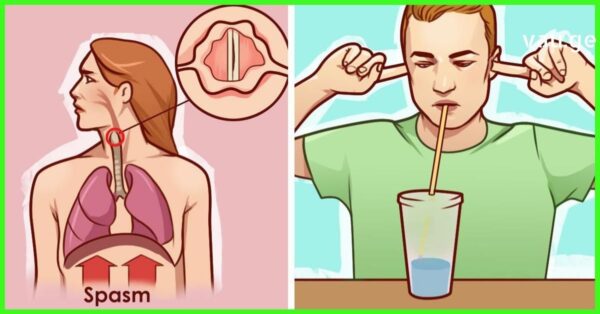
Physiologically, hiccups are considered a normal phenomenon and are not typically associated with any serious medical condition. Most hiccups resolve on their own within a few minutes to a couple of hours. However, understanding the underlying causes and methods for stopping them can be very helpful, especially for those who experience them frequently or for prolonged periods.
Causes of Hiccups:
Hiccups can be triggered by a variety of factors, most of which are benign:
Coughing: A sudden cough can irritate the diaphragm and trigger hiccups.
Swallowing air: Ingesting large amounts of air while eating or drinking can lead to hiccups.
Rapid eating or drinking: Consuming food too quickly can cause the stomach to expand, which can irritate the diaphragm.
Strong emotions: Sudden excitement, fear, anxiety, joy, or even euphoria can trigger hiccups due to stimulation of the nervous system.
Certain foods and beverages: Carbonated drinks, alcohol, dry bread, and spicy foods are common culprits.
Opioid medications: Some painkillers can affect the diaphragm and trigger hiccups.
Laughter: Intense laughter can sometimes result in hiccups by creating sudden changes in breathing patterns.
In rare cases, hiccups can be caused by more serious conditions such as:
Brainstem injuries
Multiple sclerosis
Meningitis
Stroke
Hiccups can also occur when the phrenic or vagus nerves are irritated, for example, in gastroesophageal reflux disease (GERD).
Purpose of Hiccups:
While the causes of hiccups are relatively well-understood, the exact biological purpose of hiccups remains a topic of scientific debate. There are several theories:
Evolutionary remnant theory: Some researchers believe hiccups are an evolutionary leftover from amphibians, where a similar reflex helped with breathing in water.
Air expulsion theory: Another theory suggests that hiccups help expel excess air from the stomach, which explains why they are especially common in newborns.
However, these theories do not fully explain why fetuses hiccup in the womb for up to 2.5% of their time. Despite the mystery, hiccups are generally harmless and can often be treated with simple home remedies.
Effective Home Remedies for Stopping Hiccups:
My friend, who has years of experience in traditional herbal remedies, has successfully treated hiccups for friends and family using natural methods. Below are several practical and easy remedies that can help stop hiccups:
Cold water method: Drink several glasses of cold water quickly. This often interrupts the hiccup reflex and stops hiccups immediately.
White mulberry tincture method: Mix 2 drops of alcoholic white mulberry tincture with 1 teaspoon of water and drink it. The hiccups should stop shortly after ingestion.
Dill and vinegar method: Mix half a teaspoon of dried dill with one tablespoon of vinegar. Place this mixture on the middle of the tongue. Although the taste may be unpleasant, the results are almost immediate. Afterward, rinse your mouth with warm water. This method should not be used by children or people with allergies.
Mint-honey infusion method: Boil one cup of water and add one tablespoon of mint juice. Bring it to a boil again, let it cool, and add one tablespoon of natural honey. Drink two tablespoons of this infusion three times a day. Mint has a soothing effect on the diaphragm and can help relax the muscles, while honey provides a gentle coating that may calm the esophagus and throat.
These home remedies are safe for most people and can be applied quickly when hiccups occur. Additionally, drinking warm liquids, holding your breath briefly, swallowing a teaspoon of sugar, or gently pulling on your tongue are other common methods that stimulate the vagus nerve and can interrupt the hiccup cycle.
It is important to note that if hiccups persist for more than 48 hours or are severe enough to interfere with eating, sleeping, or breathing, medical consultation is necessary. Prolonged or chronic hiccups may indicate an underlying medical condition that requires professional attention.
Preventive Measures:
Preventing hiccups involves addressing common triggers:
Eat slowly and chew food thoroughly.
Avoid excessive carbonated beverages and alcohol.
Manage stress and avoid sudden emotional shocks.
Avoid spicy or very dry foods that can irritate the stomach.
Hiccups may be annoying, but in most cases, they are harmless and can be quickly stopped using simple remedies. Incorporating herbs like mint, dill, or even traditional tinctures into daily life may provide additional protection and reduce the frequency of hiccup episodes.
Conclusion:
Hiccups, though often inconvenient, are usually a natural and temporary phenomenon. Understanding their causes and utilizing traditional remedies can help manage them effectively without resorting to medications. Whether using cold water, herbal tinctures, or natural infusions like mint and honey, these methods provide safe and effective relief. Paying attention to diet, eating habits, and emotional triggers can further prevent the occurrence of hiccups, ensuring comfort and uninterrupted daily activity.
Remember: Always consult a doctor if hiccups persist or are accompanied by other concerning symptoms. Otherwise, these home-based remedies offer a practical and natural way to stop uncontrollable hiccups quickly and safely.








































