















Many of us have heard the famous saying, “The eyes are the mirror of the soul.” This phrase usually refers to the emotional and psychological depth that can be expressed through someone’s gaze—feelings, intentions, and even personality traits often seem to shine through a person’s eyes. However, very few people know that eyes are not only the mirror of the soul but also the mirror of the entire body. Modern medicine confirms that the eyes can provide crucial information about a person’s overall health, sometimes even before symptoms appear elsewhere.
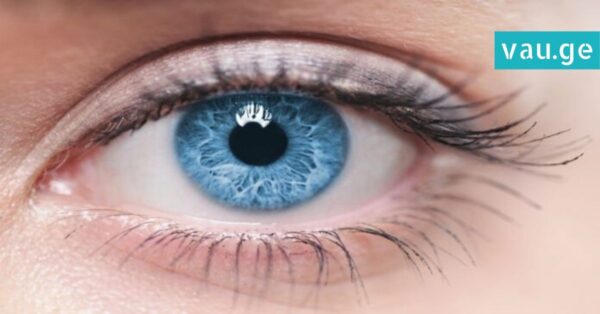
You might never have imagined that a simple eye examination could reveal serious health issues, including diabetes, cardiovascular diseases, high blood pressure, autoimmune disorders, and various genetic conditions. According to ophthalmologist Neil Adams, nearly one-third of all genetic diseases leave visible marks on the eyes. This means that the eyes can be one of the first indicators of underlying problems that might otherwise remain unnoticed.
To understand why eyes reveal so much, you need to know a little about their structure. The eye is the only place in the body where doctors can directly observe blood vessels, nerves, and connective tissue without surgery. When an ophthalmologist examines the retina—especially its delicate network of capillaries—they can assess the condition of the circulatory system, nervous system, and even the brain. Tiny changes in these structures often reflect larger changes happening elsewhere in the body.
For example, high blood pressure can cause the narrowing or thickening of retinal blood vessels. Diabetes may lead to small hemorrhages, leakage, or swelling in the retina, a condition known as diabetic retinopathy. This damage develops gradually and often silently, which is why many diabetics lose vision before they even realize their condition has worsened. A detailed eye exam can detect these changes early and help prevent long-term complications.
Genetic disorders also leave traces in the eyes. Conditions such as Wilson’s disease, Marfan syndrome, and neurofibromatosis affect the appearance of the cornea, the shape of the lens, or the pigmentation of the retina. Sometimes, unusual patterns, spots, or color changes in the eye can guide doctors toward the correct diagnosis long before a patient experiences symptoms in other parts of the body.
Moreover, the retina is considered an extension of the brain. Both organs develop from the same embryonic tissue, which is why neurological diseases often show early signs in the eyes. For instance, optic nerve abnormalities may indicate multiple sclerosis, while retinal thinning can be associated with Alzheimer’s disease. Even subtle changes in pupil reaction can reveal issues with the autonomic nervous system.
Eyes can also reflect nutritional deficiencies. A lack of vitamin A may cause dryness and night blindness. Low levels of B vitamins can contribute to blurred vision or involuntary eye movements. Yellowing of the eyes is often linked to liver problems, such as jaundice, while pale conjunctiva usually signals anemia.
Some eye symptoms may indicate systemic infections or inflammation. Redness, persistent dryness, or light sensitivity can be associated with autoimmune conditions such as rheumatoid arthritis or lupus. Swelling around the eyes may point to thyroid disorders, particularly hyperthyroidism. Dark circles, although sometimes harmless, may occasionally indicate allergies or chronic sleep deprivation.
Even cholesterol levels can be partially assessed through the eyes. A white or yellowish ring around the cornea, known as arcus senilis, may suggest high cholesterol, especially in younger individuals. Small fatty deposits around the eyelids, called xanthelasmas, can also be a warning sign of lipid imbalance.
Because the eyes reveal so much about our health, regular eye examinations are essential—not only for vision care but for full-body health evaluation. Many people avoid going to the ophthalmologist because they assume eye exams are only necessary when vision becomes blurry. In reality, many serious diseases begin silently, without pain or obvious symptoms, and the eyes are often the first place where early warning signs appear.
An ophthalmologist doesn’t just check how clearly you can see letters on a chart. A comprehensive examination includes evaluating the retina, optic nerve, cornea, lens, and blood vessels. Using tools like an ophthalmoscope or retinal imaging, the doctor can detect microscopic changes that reveal much more than just vision problems. In some cases, patients learn about life-threatening conditions—such as hypertension, diabetes, or tumors—thanks to a routine eye exam.
Another interesting aspect of eye health is how strongly it is connected to lifestyle. Lack of sleep, stress, dehydration, and poor diet can all visibly manifest in the eyes. Puffy eyelids, dullness, dryness, or redness often signal that the body is overworked or lacking something essential. On the other hand, clear and bright eyes usually reflect balanced physical and emotional wellbeing.
It’s also important to remember that eye care plays a crucial role in prevention. Proper hydration, a nutrient-rich diet, and protection from UV radiation help maintain both vision and overall health. Foods rich in omega-3 fatty acids, vitamins A, C, and E, as well as zinc and antioxidants, support the retina and protect against degeneration. Managing stress and ensuring restful sleep also contribute to healthier eyes.
If we think more deeply about it, the idea that “the eyes are the mirror of the body” becomes much more meaningful. Our eyes are not only expressive organs that show emotions—they are also windows into our internal health. Whether it’s the state of our heart, liver, nerves, or immune system, the eyes often reveal the truth before we consciously realize something is wrong.
In conclusion, understanding what our eyes can tell us is an incredibly valuable tool. They silently warn us about diseases, reflect our habits, reveal deficiencies, and provide clues that can help save our health—or even our life. So next time you look in the mirror, remember: your eyes are doing much more than helping you see the world. They are also helping the world see what is happening inside you. Truly, this is fascinating information!