















We’ve all experienced it — that sudden, sharp pain in the leg that takes you by surprise and leaves you frozen in place. Leg cramps can strike at any time — during sleep, after exercise, or even while sitting still. The pain can be so intense that it feels impossible to move, leaving the affected muscle tight and sore. But why does this happen, and how can we stop it quickly and prevent it from coming back?
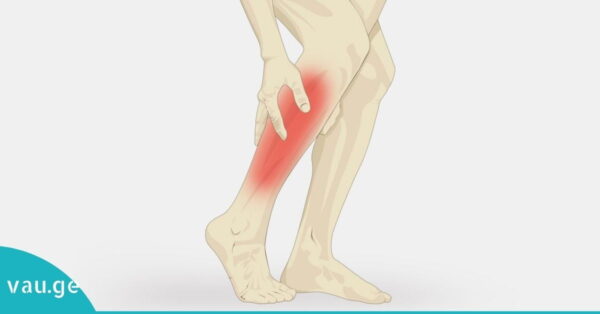
Leg cramps usually occur when the muscles contract involuntarily and cannot relax properly. The reasons for this vary, but the most common ones include dehydration, overuse of muscles, poor circulation, mineral deficiencies, or even certain medical conditions. Understanding what causes them is the first step toward effective prevention.
Let’s look at the most frequent causes and what you can do about them.
1. Dehydration
Water plays an essential role in muscle function. When the body lacks fluids, the balance of electrolytes such as sodium, potassium, and magnesium is disturbed. This imbalance makes muscles more likely to contract suddenly and painfully. That’s why it’s important to stay hydrated throughout the day — not only during workouts but also in everyday life. Try drinking at least 6–8 glasses of water daily and increase your intake if you sweat a lot or live in a hot climate.
2. Muscle Overuse
Cramps often appear after intense physical activity, especially if the muscles haven’t been properly warmed up or stretched. Overworking a muscle without adequate rest can make it tighten up and cramp. Regular stretching and gentle warm-up exercises before activity can significantly reduce the risk. Don’t forget to cool down after exercise to help your muscles relax.
3. Poor Circulation and Nerve Compression
Sometimes cramps are a sign of underlying circulation problems, such as restricted blood flow in the legs. This can happen due to sitting for long periods, wearing tight shoes, or certain health issues. If cramps are frequent and severe, it’s important to consult a doctor to rule out vascular or nerve-related problems.
4. Lack of Minerals
A deficiency in potassium, calcium, or magnesium can make muscles more prone to cramping. These minerals help transmit nerve signals to muscles and control their contractions. To maintain balance, eat foods rich in these nutrients:
Potassium: bananas, oranges, potatoes
Calcium: dairy products, broccoli, almonds
Magnesium: nuts, whole grains, dark leafy greens
Now, let’s look at several effective home remedies and self-help methods to relieve and prevent cramps.
Simple and Effective Remedies for Leg Cramps
1. Cold Compress
Massage the affected area gently with an ice pack or a cold towel. The cold helps reduce inflammation and numb the pain. Apply the compress for 10–15 minutes — often the cramp will subside within minutes.
2. Warm Compress
For some people, heat works better than cold. Applying a warm compress or taking a hot shower can help relax tight muscles and improve blood flow. Try both methods to see which one works best for you.
3. Drink Water
If you experience cramps frequently, it’s essential to increase your fluid intake. Drinking water or an electrolyte drink can help balance your body’s minerals and prevent future episodes.
4. Stretching
Gentle stretching during a cramp can bring immediate relief.
Stand facing a wall, place your hands on it, and extend the cramped leg behind you with the heel flat on the floor. Lean forward slowly until you feel the stretch in your calf. Hold for 15–30 seconds and repeat as needed. This helps relax the muscle and restore normal blood flow.
5. Apple Cider Vinegar
Apple cider vinegar is rich in calcium and potassium, two minerals essential for muscle health. Their deficiency is one of the main reasons behind frequent cramps. Mix one tablespoon of apple cider vinegar in a glass of water and drink it once a day for prevention. Some people also use it topically — by soaking a cloth in diluted vinegar and applying it to the affected area.
6. Salt Water
Athletic trainers often recommend drinking a small amount of salt water to help with muscle cramps. The sodium in salt helps maintain fluid balance in the body. However, this should be done in moderation — too much salt can have negative effects, especially for people with high blood pressure.
Additional Tips for Prevention
Massage regularly: Gentle self-massage before bedtime can prevent nighttime cramps.
Wear comfortable shoes: Avoid tight footwear that restricts blood flow.
Don’t sit too long: Move your legs often if your work involves sitting for extended periods.
Include stretching in your routine: Especially before sleep, as nighttime cramps are common.
Eat balanced meals: Make sure your diet includes enough fruits, vegetables, and whole grains to supply your body with essential minerals.
When to See a Doctor
Occasional cramps are usually harmless and can be treated at home, but if you experience them very frequently, especially accompanied by swelling, redness, or numbness, it could signal an underlying health issue. In such cases, medical advice is necessary to rule out conditions such as nerve compression, diabetes, or circulation disorders.
Living a Healthy, Balanced Life
At Vau.ge, our mission is to offer you practical and natural advice on health, self-care, and daily living. We believe that maintaining good health doesn’t always require expensive procedures or products — many effective remedies can be found right in your home or garden.
We aim to provide information about natural ingredients, traditional methods, and home treatments that help you stay healthy, enhance your beauty, and simplify your daily routines. The best part? You can enjoy all these benefits in the comfort of your home, while saving money and taking pleasure in the process.
Much of what you learn from our articles can become part of your daily habits — from quick health tips to DIY skincare and wellness routines. You’ll soon find yourself sharing these experiences with your family and friends, helping them live better, too.
At Vau.ge, we want to show that health, beauty, and self-care can be simple, natural, and affordable. You don’t always need to spend a fortune to achieve visible results. With the right knowledge and a few easily accessible remedies, you can take care of your health, strengthen your body, and feel more confident every day.
Remember — a little daily attention to your body can make a big difference. Whether it’s drinking more water, stretching regularly, or using simple home remedies like apple cider vinegar and warm compresses, these small actions can help prevent painful cramps and improve your overall wellbeing.
In short: leg cramps are common but manageable. With proper hydration, balanced nutrition, regular stretching, and the natural remedies mentioned above, you can not only relieve the pain when it happens but also significantly reduce the chances of it returning. Listen to your body, stay active, and treat yourself kindly — your legs will thank you!








































