











Preventing Gastrointestinal Tract Diseases: A Comprehensive Guide to Maintaining Digestive Health Naturally

Digestive health is a cornerstone of overall well-being, yet it is often overlooked until symptoms arise. Among the many threats to a healthy gastrointestinal (GI) system, bacterial infections play a central role. One bacterium, in particular, has been extensively studied for its impact on human health: Helicobacter pylori, commonly known as H. pylori. This microscopic organism is responsible for a variety of gastrointestinal conditions, including peptic ulcers, gastritis, and even some forms of stomach cancer. Scientific studies suggest that as many as 70% of the world’s population is affected by this bacterium in some way, whether symptomatic or not. Its effects can range from mild discomfort to severe complications, depending on the individual’s immune system and lifestyle habits.
Understanding Helicobacter pylori and Its Effects on the Body
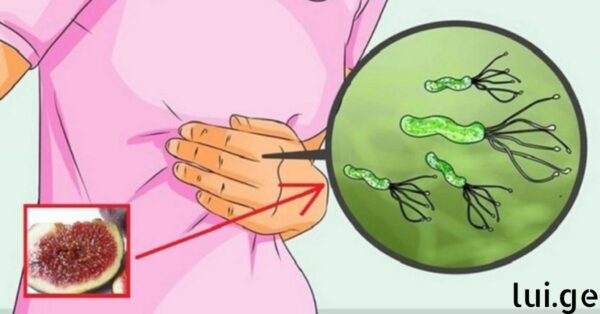
H. pylori is a spiral-shaped bacterium that colonizes the stomach, particularly the pyloric region—the lower part of the stomach that connects to the small intestine. Its unique shape allows it to burrow into the mucous lining of the stomach, creating a protective niche where it is difficult for the body’s immune system to eradicate it. Once established, it can produce toxins that damage the stomach lining, leading to inflammation, ulcer formation, and disruption of normal digestive processes.
In some individuals, infection with H. pylori is completely asymptomatic, meaning they carry the bacterium without experiencing noticeable digestive issues. In others, the bacterium triggers a cascade of symptoms including bloating, abdominal pain, nausea, frequent indigestion, and in severe cases, bleeding ulcers. Chronic infection has also been linked to more serious conditions such as gastric cancer and mucosa-associated lymphoid tissue (MALT) lymphoma.
Transmission of H. pylori is surprisingly easy. The bacterium can spread through saliva, contaminated food, water, and even common household items such as utensils, towels, and drinking glasses. This means that virtually anyone, regardless of age or environment, can become a host to this bacterium, often without realizing it.
Lifestyle and Preventive Measures
While medical interventions such as antibiotics and proton pump inhibitors are standard treatments for H. pylori, prevention is always preferable. Fortunately, there are natural measures that can reduce the risk of infection and support a healthy digestive tract. These measures emphasize hygiene, diet, and the inclusion of certain natural remedies with antimicrobial and protective properties.
1. Hygiene Practices
Maintaining clean hands, utensils, and kitchen surfaces is a fundamental step in preventing bacterial infections. Washing hands thoroughly with soap and water before meals, after using the restroom, or after contact with potentially contaminated surfaces can significantly reduce the likelihood of ingesting harmful bacteria. Regular cleaning of shared household items, including cutting boards, cups, and dishware, further minimizes transmission risk.
2. Balanced Diet
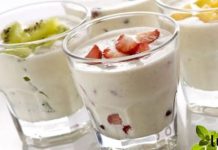
A diet rich in fiber, vitamins, and antioxidants strengthens the gastrointestinal lining and the immune system, making it less hospitable for bacterial colonization. Fresh fruits, vegetables, whole grains, legumes, and fermented foods such as yogurt or kefir contribute beneficial probiotics that support a healthy gut microbiome. Conversely, excessive consumption of processed foods, sugary snacks, and high-fat meals can disrupt this balance, creating conditions favorable to bacterial overgrowth.
3. Natural Remedies and Folk Practices
Traditional and folk remedies have long been used to support digestive health and prevent gastrointestinal diseases. One highly recommended method is the consumption of figs preserved in olive oil. This remedy has been endorsed by gastroenterologists for its protective and healing properties:
Preparation: Take fresh figs and cut them into quarters. Place the fig pieces in cold-pressed olive oil, ensuring they are fully submerged. Store the mixture in a cool, dark place for six weeks, allowing the figs to infuse their nutrients into the oil.
Usage: Consume a small portion of this fig-infused oil every morning on an empty stomach. The combination of figs and olive oil not only soothes the stomach lining but also aids digestion, reduces inflammation, and supports the natural microbial balance within the gastrointestinal tract.
This natural preparation has been traditionally used to alleviate a wide range of conditions, including:
Hemorrhoids: Figs contain dietary fiber and antioxidants that improve bowel regularity and reduce inflammation.
Constipation: The high fiber content promotes healthy stool formation and regular bowel movements.
Respiratory Conditions: Traditional usage suggests that this remedy can aid conditions such as bronchitis and asthma due to its anti-inflammatory effects.
Infertility and Hormonal Imbalances: Certain compounds in figs may have mild hormonal balancing effects, supporting reproductive health.
The Importance of Routine and Awareness
Preventing gastrointestinal diseases is not solely about consuming specific remedies; it is equally important to adopt a consistent lifestyle that supports digestive health. This includes:
Regular Meals: Eating at consistent times helps regulate stomach acid production and promotes optimal digestion. Skipping meals or consuming irregularly can create an acidic environment that favors bacterial growth.
Adequate Hydration: Water is essential for digestion, nutrient absorption, and toxin elimination. Drinking sufficient water throughout the day flushes the digestive tract and supports metabolic processes.
Stress Management: Chronic stress negatively impacts gut health by altering stomach acid levels and slowing digestion. Practices such as meditation, yoga, and light exercise can reduce stress-induced digestive disturbances.
Probiotic Consumption: Fermented foods and probiotic supplements replenish beneficial bacteria, maintaining a balanced gut flora that can inhibit the proliferation of harmful organisms like H. pylori.
Symptoms to Watch For
Early detection of gastrointestinal disturbances can prevent severe complications. Individuals should be vigilant for the following signs, which may indicate the presence of H. pylori or other digestive issues:
Persistent or recurring abdominal pain, particularly in the upper stomach
Frequent bloating, burping, or nausea
Unexplained weight loss or loss of appetite
Heartburn or acid reflux not relieved by standard antacids
Fatigue associated with nutrient malabsorption or anemia
Occasional black or tarry stools, which may indicate bleeding in the stomach
If any of these symptoms persist, it is crucial to consult a healthcare professional for evaluation and, if necessary, diagnostic testing such as breath, blood, or stool tests for H. pylori.
Additional Natural Supports
In addition to figs and olive oil, other natural remedies have been shown to support gastrointestinal health:
Aloe Vera Juice: Known for its soothing effect on the stomach lining, aloe vera may reduce inflammation and improve digestion.
Ginger: Contains bioactive compounds that support gastric motility and reduce nausea.
Garlic: Exhibits natural antibacterial properties that can inhibit the growth of harmful bacteria in the digestive tract.
Green Tea: Rich in antioxidants, green tea may reduce inflammation and support the immune system in managing bacterial infections.
Probiotic Yogurt: Provides live cultures of beneficial bacteria that can outcompete harmful pathogens.
Incorporating these foods and beverages into a balanced diet can complement preventive strategies and strengthen overall digestive health.
Holistic Approach to Gut Health
Maintaining a healthy gastrointestinal tract is not merely about avoiding illness; it is about optimizing overall well-being. A holistic approach considers diet, lifestyle, mental health, and natural remedies in concert. Key principles include:
Consistency: Daily routines, regular meal timing, and consistent use of preventive remedies maximize effectiveness.
Education: Understanding how diet and lifestyle choices affect gut health empowers individuals to make informed decisions.
Mind-Body Connection: Stress, sleep, and emotional well-being are deeply intertwined with digestive health. Mindfulness practices and adequate rest are essential.
Preventive Mindset: Early adoption of healthy habits and natural remedies reduces the likelihood of chronic gastrointestinal diseases and enhances overall quality of life.
Sharing Knowledge for Community Health
One of the most powerful tools in maintaining health is knowledge. Sharing information about natural preventive measures, dietary practices, and lifestyle habits helps communities support one another. Disseminating knowledge about gastrointestinal health encourages proactive behavior, fosters collective well-being, and reduces the prevalence of preventable digestive disorders.
For example, informing friends and family about the benefits of figs in olive oil, or other natural remedies such as aloe vera and probiotics, creates an environment where healthy practices are normalized and easily adopted. This ripple effect enhances public health and empowers individuals to take control of their digestive well-being.
Conclusion: Empowering Digestive Health Naturally
Helicobacter pylori and other harmful bacteria pose significant risks to gastrointestinal health. However, by embracing natural preventive measures, maintaining hygiene, consuming beneficial foods, and integrating traditional remedies, individuals can protect their digestive system and promote overall wellness.
The combination of figs in olive oil, stress management, probiotic intake, and mindful dietary practices represents a comprehensive approach to gastrointestinal health. These interventions not only help prevent infection but also improve digestion, support immune function, and enhance quality of life.
Must-See Recommendation: Tibetan Elixir – the ultimate natural rejuvenation remedy
About Lui.ge:
Lui.ge is a dedicated platform offering guidance on health, personal care, and everyday wellness. Our mission is to provide readers with knowledge about natural remedies, practical health tips, and lifestyle strategies that can improve well-being, enhance beauty, and simplify daily life. Most importantly, these solutions can be implemented at home, allowing you to enjoy the process while saving money on expensive treatments and products.
The information provided by Lui.ge is designed to become a practical part of daily life. By sharing these insights with friends and