














Surprising Ways to Purify Your Indoor Air: The Best Houseplants for a Healthier Home

It may come as a surprise to many, but studies conducted by environmental scientists have consistently shown that the air inside our homes is often far more polluted than the air outside. It does not matter how often you clean your living space, dust, or vacuum—the indoor air you breathe may still contain higher concentrations of pollutants than the street or garden outside your home. The reasons for this are rooted in modern lifestyles, energy-efficient housing, and the wide array of household appliances we use daily, many of which emit volatile organic compounds (VOCs) and other harmful particles.
Indoor air pollution can come from multiple sources: off-gassing from furniture and flooring, cleaning products, synthetic fabrics, paints, air fresheners, and even cooking fumes. This prolonged exposure to pollutants can lead to fatigue, headaches, respiratory irritation, allergies, and other long-term health problems. Thankfully, nature has provided a simple, beautiful, and effective solution: houseplants. Many common indoor plants naturally filter air, removing toxins while simultaneously increasing oxygen levels and enhancing indoor humidity. Below is a detailed guide to the most effective plants that will help you naturally purify your indoor environment.
1. Aloe Vera – The Multifunctional Purifier
Aloe vera is widely known for its remarkable skin-healing properties, particularly in treating burns, cuts, and irritations. However, what is less commonly known is that aloe vera also functions as a natural air purifier. Its leaves release oxygen and absorb harmful chemicals such as formaldehyde, which is commonly found in household cleaning products, adhesives, and paints.
Aloe vera is low-maintenance and can thrive in indirect sunlight, making it ideal for indoor spaces such as kitchens and bedrooms. Beyond its purification qualities, this plant can contribute to a more balanced indoor humidity, which helps alleviate dry skin and respiratory discomfort. For households that combine health, beauty, and environmental wellness, keeping an aloe vera plant is an excellent choice.
2. Bamboo Palm (Chamaedorea Seifrizii) – Nature’s Elegant Air Filter
Many people simply associate the bamboo palm with pandas or tropical aesthetics, but this plant is an exceptional fighter against indoor air pollutants. Also known as the Chamaedorea palm, it effectively filters formaldehyde, benzene, and trichloroethylene from indoor air.
Bamboo palms thrive in bright, indirect sunlight and can grow impressively tall—up to 12 feet in optimal conditions. Their feathery fronds add elegance to any living space while silently working to cleanse your air. Regularly misting the plant’s leaves enhances its air purification capacity, especially in dry or heated indoor environments. This plant is ideal for offices, living rooms, or spaces where prolonged exposure to VOCs from electronics and furnishings occurs.
3. Chrysanthemums – Colorful Beauties with Powerful Benefits
Chrysanthemums are beloved for their vibrant flowers and ease of care, making them a favorite choice for many plant enthusiasts. Beyond their ornamental value, chrysanthemums are surprisingly effective at removing toxic substances from indoor air, including ammonia, benzene, and formaldehyde.
These plants absorb chemical vapors through their leaves and flowers, converting harmful molecules into less damaging forms through natural metabolic processes. By placing chrysanthemums strategically near workspaces or in kitchens, you can reduce exposure to common household chemicals while enjoying the aesthetic and mood-enhancing effects of their bright blooms.
4. Ferns – Moisture-Loving Air Cleansers
Ferns thrive in moist, cooler environments, making bathrooms or shaded corners perfect for their placement. These ancient plants naturally remove formaldehyde and xylene from the air, both of which are common in adhesives, paints, and various household products.
For best results, ferns should be watered regularly, and their fronds lightly misted to maintain the humidity they prefer. Adding ferns to your home not only improves air quality but also creates a lush, calming environment, reducing stress and enhancing indoor aesthetics.
5. Dracaena – A Mighty Fighter Against VOCs
Dracaena species are highly effective at removing benzene, trichloroethylene, and xylene from indoor environments. With over 40 varieties globally, dracaena plants are easy to maintain, tolerant of low-light conditions, and highly adaptable to indoor life.
It is important to note that dracaena is toxic to cats and dogs, so pet owners should place it in areas inaccessible to animals. Despite this precaution, its ability to filter dangerous VOCs makes dracaena one of the most valuable houseplants for maintaining healthier air. Regular pruning of older leaves and occasional misting will keep the plant vibrant while maximizing its air-cleaning potential.
6. Spathiphyllum (Peace Lily) – Shade-Loving Air Purifier
Spathiphyllum, or peace lily, is celebrated not only for its elegant appearance but also for its air-purifying capabilities. These shade-loving plants effectively remove ammonia, benzene, formaldehyde, and trichloroethylene.
To thrive indoors, spathiphyllum requires consistently moist soil and occasional fertilization. During summer, it produces striking white blooms, adding natural beauty to any room. Peace lilies are particularly effective in bedrooms, offices, or areas with limited natural light, as they can continue to purify the air even in dim conditions.
7. Ficus – A Popular Indoor Classic
The ficus tree, commonly known as the weeping fig, is among the most popular indoor plants worldwide. Its large leaves filter pollutants while providing a sense of calm and greenery to indoor spaces.
Ficus can grow significantly in height if planted in a large pot, but its size is determined by the container and indoor light conditions. Regular watering and occasional leaf cleaning are essential to maintain its health and effectiveness in purifying air. Ficus is an ideal plant for living rooms and large office areas, offering both aesthetic and environmental benefits.
8. Sansevieria (Snake Plant) – The Resilient Air Cleaner
Sansevieria, also known as snake plant or “mother-in-law’s tongue” in some countries, is virtually indestructible. It requires minimal water and light, making it perfect for forgetful plant owners.
Sansevieria is also known for its exceptional ability to purify air by removing microbes and toxic compounds. It produces oxygen at night, making it an excellent choice for bedrooms to enhance air quality while you sleep. This hardy plant thrives in almost any indoor environment, providing long-term benefits with minimal maintenance.
9. Chlorophytum (Spider Plant) – Easy-Care Chemical Fighter
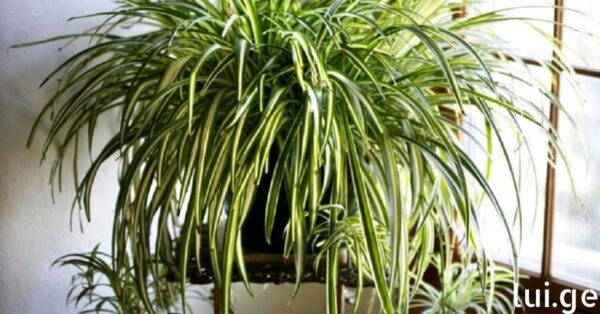
Chlorophytum, commonly called the spider plant, is both visually appealing and highly effective in purifying indoor air. Its arching leaves absorb chemical toxins, including carbon monoxide and formaldehyde, often found in household products and heating systems.
Spider plants are fast-growing and adaptable, making them ideal for beginners. They also produce small offshoots, allowing you to propagate new plants and expand your indoor greenery easily. Regular watering and indirect sunlight keep the plant healthy while ensuring maximum air-purifying efficiency.
Tips for Maximizing Indoor Air Quality with Plants
Place plants strategically: Position air-purifying plants near sources of pollutants, such as kitchens, offices, and areas with high electronic usage.
Mix species: Different plants remove different toxins, so combining multiple varieties ensures broader protection.
Keep leaves clean: Dust can reduce a plant’s ability to filter air, so gently wipe leaves with a damp cloth regularly.
Maintain plant health: Healthy, thriving plants filter air more effectively. Ensure appropriate watering, sunlight, and fertilization.
Consider quantity: NASA’s Clean Air Study suggests having at least one medium-to-large plant per 100 square feet of indoor space for noticeable air purification benefits.
Conclusion: Green Solutions for Cleaner Air and Better Health
Modern lifestyles make indoor air purification a critical concern. While air filters and ventilation systems help, houseplants offer a natural, aesthetically pleasing, and cost-effective solution. Plants such as aloe vera, bamboo palm, chrysanthemums, ferns, dracaena, spathiphyllum, ficus, sansevieria, and chlorophytum not only beautify living spaces but also remove harmful pollutants, improve oxygen levels, and enhance humidity.
By incorporating these plants into your home, you can enjoy cleaner air, reduced exposure to harmful chemicals, and the calming benefits of natural greenery. Whether placed in bedrooms, living rooms, offices, or bathrooms, these plants work tirelessly to create a healthier, more vibrant indoor environment.
Must-See Recommendation: Tibetan Elixir – the ultimate natural rejuvenation remedy
Lui.ge is a platform dedicated to sharing advice on health, personal care, and everyday wellness. We aim to provide practical information about natural remedies and home-based solutions that help you improve health, enhance beauty, and simplify daily life. All of this can be achieved in the comfort of your own home, allowing you to enjoy the process while saving money.
Much of the knowledge shared on our site can become a seamless part of your daily routine. Share your experiences with friends and family to help others enjoy healthier, cleaner living spaces. Lui.ge proves that expensive procedures or commercial products are not necessary to maintain wellness and beauty. With plants and natural remedies readily available in your home, you can achieve noticeable results and enjoy the full benefits of a healthier lifestyle.