







Chinese Massage Against the Common Cold: A Natural Healing Method
Introduction: Why Look for Alternatives to Chemical Remedies?
When we catch a cold, most of us rush immediately to pharmacies. We look for pills, sprays, and syrups that promise quick relief. Modern medicine has provided countless chemical treatments designed to reduce the symptoms of the common cold, such as nasal congestion, headaches, fever, or a sore throat. These remedies are often effective in the short term, but they also come with certain drawbacks. Long-term use of nasal sprays can lead to dependency, while over-the-counter medicines may irritate the stomach, strain the liver, or cause unwanted side effects.
Because of this, more and more people worldwide are turning their attention toward natural remedies. Herbal teas, steam inhalations, warm broths, essential oils, and even lifestyle practices like yoga or breathing exercises have gained popularity. Among these natural approaches, one method has stood out in both ancient traditions and modern holistic health: Chinese massage therapy for colds and nasal congestion.
This technique is not just about relaxation or stress relief; it directly targets pressure points that influence circulation, lymphatic drainage, and the balance of vital energy in the body. By stimulating specific areas on the face and around the nose, you can help your body clear nasal passages, reduce swelling, strengthen immunity, and recover much faster. The most remarkable part is that this massage requires no tools, no expensive procedures, and can be practiced by anyone at home.
In this article, we will explore the four main Chinese massage points used to fight colds, explain the traditional and scientific reasoning behind them, and provide step-by-step instructions on how to perform the massage yourself. By the end, you will see how something as simple as pressing your fingers against specific points can become a powerful healing tool.
The Philosophy Behind Chinese Massage for Colds
Traditional Chinese Medicine (TCM) has existed for thousands of years. One of its central ideas is the concept of Qi (pronounced “chi”), which refers to the vital life energy flowing through the body. When this energy flows smoothly, a person experiences health, balance, and strength. However, when Qi is blocked or weakened, illness may appear.
According to TCM, colds and respiratory infections are not only caused by viruses or bacteria but also by imbalances in the body’s internal energy. Wind, cold, and dampness are considered external factors that can invade the body when its defense system (known as “Wei Qi”) is weak. Stimulating specific acupressure points helps restore balance, strengthen defenses, and promote natural healing.
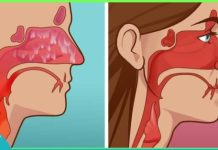
Western medicine explains the effectiveness of facial acupressure in a different but complementary way. From a biological perspective, pressing certain points near the sinuses and nose improves blood circulation, stimulates the nervous system, and helps lymphatic fluid drain more effectively. This can reduce nasal swelling, ease congestion, and support the immune system in fighting infection.
Thus, whether you prefer to view it through the lens of ancient wisdom or modern science, acupressure massage against colds is both logical and effective.
The Four Main Chinese Massage Points Against the Cold
Now let’s go step by step through the four pressure points most commonly used to relieve cold symptoms.
1. The Point Between the Eyebrows
To find this point, place your finger gently on the area between your eyebrows, at the crossing of the forehead and the bridge of the nose. In TCM, this point is sometimes called Yintang, meaning “Hall of Impression.”
How to apply massage:
Close your eyes, relax your forehead muscles.
Place one finger or two fingers on this spot.
Press gently but firmly in a circular motion.
Continue for 1–2 minutes while breathing deeply.
Effects:
Relieves headaches and sinus pressure.
Clears nasal congestion.
Promotes calmness and reduces stress, which is especially useful when colds make you restless or interfere with sleep.
2. The Two Points at the Start of the Eyebrows
These points are located at the beginning of each eyebrow, right above the inner corners of your eyes. They are known as BL2 points in acupressure charts.
How to apply massage:
Use both index fingers simultaneously.
Press inward gently, toward the bridge of your nose.
Hold for 10–15 seconds, then release and repeat several times.
Effects:
Reduces swelling in the sinuses.
Improves blood flow to the forehead and upper face.
Helps relieve eye fatigue, which often accompanies colds when we spend long hours indoors.
3. The Point at the Start of the Nose
This point is located on both sides of the upper nose, just between the eyes where the bridge begins.
How to apply massage:
Place your thumbs or index fingers on both sides of the nose.
Press gently inward and slightly upward.
Hold for 10 seconds, then release. Repeat 3–5 times.
Effects:
Opens nasal passages.
Relieves sinus pressure and headaches caused by congestion.
Helps prevent the build-up of mucus by stimulating drainage.
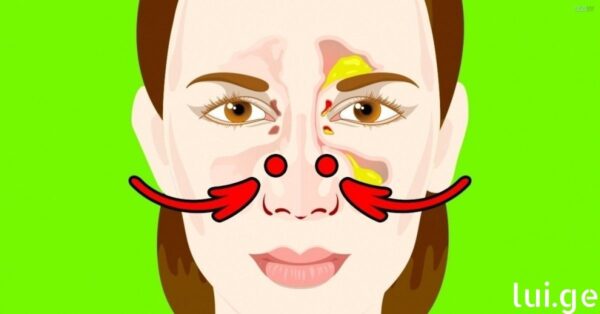
4. The Two Points at the Base of the Nose
These are found right next to the nostrils, where the nose meets the cheeks. They are often referred to as LI20 points.
How to apply massage:
Place both index fingers on the spots next to your nostrils.
Press firmly but not painfully.
Hold for 10 seconds, release, and repeat.
Effects:
Directly clears nasal congestion.
Improves breathing almost instantly.
Enhances the sense of smell, which is often reduced during colds.
Why This Massage Works
By combining stimulation of all four points, you are addressing multiple issues at once:
Clearing blocked sinuses.
Improving blood and oxygen flow.
Supporting the nervous system to trigger natural healing responses.
Reducing stress and tension, which indirectly strengthens immunity.
This massage can be performed 2–3 times a day during a cold. Many people notice immediate relief, while others experience gradual improvement after consistent practice.
Complementary Home Remedies
Although the massage itself is powerful, combining it with other natural remedies makes the recovery process faster:
Steam inhalation with eucalyptus or peppermint oil.
Warm herbal teas such as ginger, chamomile, or mint.
Honey and lemon water for throat soothing and vitamin C boost.
Adequate hydration to thin mucus.
Rest and deep breathing exercises to reduce stress and promote healing.
Daily Routine for Faster Recovery
Here’s a simple plan:
Morning: Perform facial massage (all 4 points), drink warm lemon water.
Midday: Take steam inhalation, followed by herbal tea.
Evening: Repeat massage before bed to ensure easier breathing during sleep.
Conclusion
Chinese acupressure massage for colds is not just an old myth—it is a practice backed by centuries of tradition and supported by modern physiological understanding. By learning to stimulate the four key points—the area between the eyebrows, the start of the eyebrows, the start of the nose, and the base of the nostrils—you equip yourself with a powerful tool against one of the most common human ailments.
The beauty of this method lies in its simplicity: no medication, no special equipment, and no financial cost. All you need is your own hands, a few minutes of time, and the willingness to let your body heal itself.
Incorporating this practice into your daily life not only helps during colds but also improves overall sinus health, reduces headaches, and strengthens your immune system over time.
Natural remedies like this remind us that true healing often comes from within, and sometimes the most effective treatments are the ones passed down through generations.