















Rosemary and Memory: A Natural Ally Against Dementia and Alzheimer’s Disease
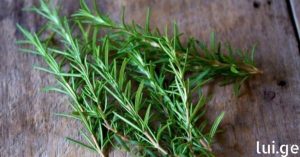
Rosemary is one of the most beloved herbs in culinary traditions across the world. Known for its fresh, woody fragrance and slightly bitter, pine-like flavor, it is often sprinkled over roasted potatoes, added to marinades, or used to infuse oils. For many households, rosemary is nothing more than a delicious spice that makes food taste better. Yet, hidden behind its culinary fame lies a much deeper and more fascinating truth: rosemary has long been considered a natural remedy for the mind, memory, and overall cognitive health.
Modern science is beginning to confirm what ancient cultures and even great literary figures once hinted at—that rosemary may hold potential in the battle against neurodegenerative conditions such as dementia and Alzheimer’s disease.
A Shakespearean Hint: “There’s Rosemary, That’s for Remembrance”
In his play Hamlet, William Shakespeare wrote the famous line: “There’s rosemary, that’s for remembrance: pray, love, remember.” While scholars often interpret this as symbolic poetry, others argue that Shakespeare might have been aware of rosemary’s reputation as a memory-enhancing herb. During the Elizabethan era, rosemary was frequently used in weddings, funerals, and religious ceremonies. Its fragrance was thought to sharpen the mind, strengthen the spirit, and symbolize fidelity.
This cultural association between rosemary and memory was not a coincidence—it was grounded in centuries of folk knowledge and practical use. Herbalists across Europe prescribed rosemary teas, oils, and tinctures to those suffering from forgetfulness, sadness, or “weakness of the brain.” Today, neuroscientists are finding surprising evidence that these traditions were not mere superstition.
The Science Behind Rosemary’s Effect on the Brain
1. Aromatherapy and Cognitive Enhancement
Dr. Mark Moss and his research team conducted a fascinating study on the effects of rosemary essential oil. By exposing participants to the aroma of rosemary, they discovered measurable improvements in memory retention and mental clarity. Participants performed better on tasks requiring recall, concentration, and visualization after inhaling rosemary’s scent compared to control groups.
The results suggest that simply breathing in rosemary’s fragrance may influence the brain’s neurotransmitters. Compounds such as 1,8-cineole—a major constituent of rosemary essential oil—can cross the blood–brain barrier and appear to modulate brain activity. These molecules may enhance communication between neurons, leading to sharper memory and faster processing speed.
2. Antioxidant and Anti-inflammatory Properties
Beyond its aroma, rosemary contains powerful antioxidants such as carnosic acid and rosmarinic acid. These compounds help protect brain cells from oxidative stress, one of the major contributors to neurodegeneration. In Alzheimer’s disease, excessive oxidative damage causes neurons to die prematurely, leading to memory loss and cognitive decline. By neutralizing free radicals, rosemary may help preserve healthy brain tissue.
Moreover, rosemary’s anti-inflammatory properties could reduce chronic brain inflammation, another hallmark of Alzheimer’s and dementia. Neuroinflammation disrupts normal brain function and accelerates damage to nerve cells. Studies suggest that rosemary extracts can downregulate pro-inflammatory markers, creating a healthier environment for the brain to function.
3. Improved Circulation and Neuroprotection
Traditional herbal medicine often used rosemary to stimulate blood flow. Modern research supports this, showing that rosemary may enhance circulation in the brain, delivering oxygen and nutrients more efficiently. Better blood flow translates to improved alertness, concentration, and overall cognitive vitality.
Some studies also indicate that rosemary could protect against amyloid-beta plaques—protein deposits commonly associated with Alzheimer’s disease. While more research is needed, the possibility of rosemary acting as a neuroprotective agent is incredibly promising.
Research Findings: Rosemary and Alzheimer’s Patients
One of the most striking pieces of evidence comes from clinical research on patients with dementia and Alzheimer’s disease. A study involving rosemary-based therapy showed that all participants displayed significant improvements in cognitive performance after treatment. Those with Alzheimer’s, in particular, demonstrated better overall functionality and mental clarity.
These findings, while preliminary, are groundbreaking. They suggest that rosemary could be developed into a complementary therapy—not a replacement for medical treatment, but a natural aid that supports brain health and slows the progression of memory decline.
How to Use Rosemary for Cognitive Support
If you are interested in using rosemary to boost memory and support brain health, here are several safe and practical approaches:
Aromatherapy:
Add a few drops of rosemary essential oil to a diffuser.
Inhale deeply for 15–20 minutes while studying or working.
Alternatively, place a sprig of fresh rosemary on your desk and occasionally rub it between your fingers to release its aroma.
Tea and Infusions:
Steep fresh or dried rosemary leaves in hot water for 5–10 minutes.
Drinking rosemary tea may provide mild stimulant and antioxidant effects.
Culinary Use:
Incorporate rosemary into your meals: roasted vegetables, soups, stews, and even bread.
Cooking with rosemary is not only delicious but also a natural way to add protective antioxidants to your diet.
Massage Oils:
Dilute rosemary essential oil with a carrier oil (such as coconut or almond oil).
Gently massage onto temples or the back of the neck for relaxation and improved circulation.
⚠️ Note of Caution: Essential oils are highly concentrated. Never ingest them without professional guidance, and always dilute them before applying to the skin.
Rosemary Beyond the Brain: Other Health Benefits
While rosemary’s connection to memory is its most famous feature, this herb offers a wide spectrum of health benefits:
Digestive Support: Rosemary tea can relieve indigestion, bloating, and gas.
Hair Health: Infused rosemary oil is used to stimulate hair growth and reduce dandruff.
Immune System Boost: Its antioxidants help strengthen the body’s defense against infections.
Stress Relief: The aroma is calming and may reduce cortisol levels, easing anxiety.
Anti-cancer Potential: Preliminary studies suggest rosemary extracts may inhibit certain cancer cell growth, though research is ongoing.
Ancient Roots: Rosemary in Traditional Medicine
Rosemary (Rosmarinus officinalis), whose Latin name means “dew of the sea,” has been used for thousands of years. Ancient Egyptians placed rosemary sprigs in tombs to symbolize remembrance of the dead. Greeks and Romans wove rosemary into crowns for scholars, believing it enhanced intellect. In medieval Europe, rosemary branches were burned to purify the air during plagues.
In Chinese and Ayurvedic medicine, rosemary was considered a warming herb that stimulated circulation and strengthened the nervous system. These traditions align remarkably well with today’s findings about rosemary’s effects on memory and brain function.
Dementia, Alzheimer’s, and the Search for Natural Remedies
Dementia is a devastating condition characterized by memory loss, confusion, and impaired reasoning. Alzheimer’s disease, the most common form of dementia, affects millions worldwide. Conventional medicine has made strides in slowing progression, but there is still no definitive cure.
This has led scientists and patients alike to explore natural therapies. While rosemary cannot replace medical treatments, it may serve as a valuable complementary strategy. The idea of using something as simple and accessible as an herb to preserve memory brings both hope and empowerment.
Final Thoughts: Breathing in Hope
Rosemary is more than just a kitchen spice—it is a symbol of remembrance, a protector of the mind, and a natural gift with powerful healing potential. Whether enjoyed in a cup of tea, sprinkled over roasted vegetables, or inhaled through its fragrant oil, rosemary may help sharpen the mind and shield the brain against the effects of aging.
As research continues, the evidence grows stronger that this humble herb could play an important role in supporting cognitive health, particularly in the fight against dementia and Alzheimer’s disease. Perhaps Shakespeare was not merely being poetic when he linked rosemary with memory. Perhaps he was echoing a truth that humanity has always known: nature often holds the keys to the mind’s deepest mysteries.
So, the next time you catch the fresh scent of rosemary, take a deep breath. It may be more than just a fragrance—it may be a step toward a healthier, sharper, and more resilient brain.