














The Healing Power of Spices: How Oregano, Rosemary, Thyme, and Sage Can Transform Your Health
Introduction: Why Herbs and Spices Are More Than Just Flavor
For centuries, civilizations across the globe have turned to herbs and spices not only to enrich the taste of food but also to strengthen health and longevity. Today, scientific research confirms what ancient healers already knew: spices are potent sources of antioxidants, anti-inflammatory compounds, and antimicrobial agents.
We now know that herbs and spices act as natural antibiotics. Even when consumed in small, regular amounts, they can boost the immune system, regulate microbial balance in the gut, reduce cellular inflammation, and protect the body from chronic diseases. Unlike synthetic drugs, which often target a single function or pathogen, spices support the body holistically—working in harmony with its systems to create resilience against illness.
One of the key reasons spices are so powerful is because they are rich in polyphenols. Polyphenols are plant-based compounds that act as antioxidants, neutralizing harmful free radicals produced by stress, pollution, poor diet, and UV exposure from the sun. Free radicals accelerate cellular aging and contribute to conditions like cancer, cardiovascular disease, and neurodegenerative disorders. By adding more spices into your diet, you naturally increase your intake of polyphenols, which helps shield your body from oxidative stress while also balancing the presence of good and bad microbes within your system.
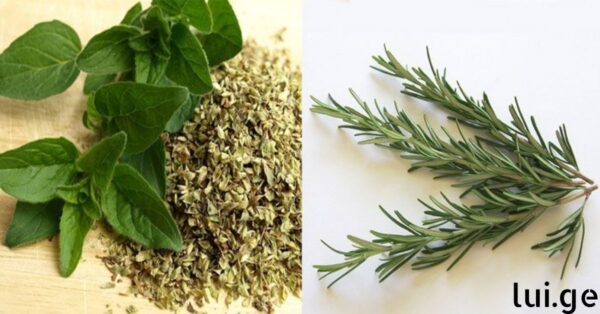
This article will explore four of the most beneficial herbs—oregano, rosemary, thyme, and sage—and explain how each of them can elevate both your nutrition and your overall well-being. Additionally, we will discuss practical, everyday ways to include these spices in your meals so that you can benefit from their healing potential without feeling overwhelmed or restricted.
1. Oregano: Nature’s Antimicrobial Powerhouse
Historical Background
Oregano has been a staple in Mediterranean diets for thousands of years. The Greeks and Romans considered it a symbol of joy and well-being. Its very name comes from the Greek words oros (mountain) and ganos (joy), meaning “joy of the mountain.” Traditionally, oregano was used to treat respiratory infections, gastrointestinal issues, and wounds due to its strong antiseptic qualities.
Nutritional and Medicinal Properties
Oregano is loaded with essential oils such as carvacrol and thymol, both of which possess antimicrobial, antifungal, and antiviral properties. These compounds are so effective that oregano oil is sometimes compared to commercial antibiotics. Moreover, oregano contains significant amounts of vitamin K, iron, manganese, and calcium—nutrients critical for blood clotting, energy production, and bone health.
Another powerful feature of oregano is its role in blood sugar regulation. Studies suggest that oregano extracts can improve insulin sensitivity and protect against type 2 diabetes by reducing glucose spikes after meals. Furthermore, oregano’s antioxidant activity helps reduce oxidative stress in pancreatic cells, which are responsible for producing insulin.
Practical Uses in Daily Life
While most people associate oregano with pizza and pasta, its versatility extends far beyond Italian cuisine:
Sprinkle a pinch on scrambled eggs for a flavorful, health-boosting breakfast.
Add to salad dressings along with olive oil and lemon juice for a Mediterranean twist.
Mix into vegetable soups or stews for both flavor and immune support.
Roast vegetables such as zucchini, bell peppers, or carrots with olive oil and oregano for a nutrient-packed side dish.
Health Benefits at a Glance
Antiparasitic: Helps protect against intestinal parasites.
Antidiabetic: Regulates blood sugar and supports metabolic health.
Antibacterial and Antifungal: Effective against infections, including Candida.
Respiratory Support: Clears nasal passages and eases coughs.
2. Rosemary: The Memory and Mood Enhancer
Historical Background
Rosemary, known scientifically as Rosmarinus officinalis, has long been revered for its healing powers. Ancient Egyptians used it in burial rituals, while Greek scholars wore rosemary wreaths during exams to enhance memory and concentration. In the Middle Ages, rosemary was considered a protection against evil spirits and a cure for the plague.
Nutritional and Medicinal Properties
Rosemary contains rosmarinic acid and carnosic acid, two compounds with extraordinary antioxidant and anti-inflammatory potential. These compounds protect the brain from oxidative stress, making rosemary a natural cognitive enhancer. Research suggests that regular consumption of rosemary can improve memory, increase alertness, and even protect against neurodegenerative diseases like Alzheimer’s.
Rosemary also has natural anti-anxiety properties. Its aroma alone has been shown to reduce stress hormones like cortisol, promote relaxation, and improve sleep quality. As a circulatory stimulant, rosemary enhances blood flow, which supports both cardiovascular health and mental clarity.
Practical Uses in Daily Life
Rosemary’s earthy, pine-like flavor makes it a favorite in many dishes:
Add sprigs of rosemary when roasting root vegetables like potatoes, carrots, and parsnips.
Use it to flavor baked chicken, lamb, or fish.
Infuse rosemary into olive oil for a gourmet drizzle over salads or breads.
Brew rosemary tea as a natural tonic for stress relief and digestion.
Add rosemary to homemade lemonade for a refreshing twist.
Health Benefits at a Glance
Cognitive Enhancer: Boosts memory and concentration.
Stress Relief: Reduces anxiety and nervous tension.
Sexual Vitality: Traditionally used as an aphrodisiac.
Antioxidant Protection: Protects brain and heart tissues.
Anti-inflammatory: Supports joint health and reduces muscle pain.
3. Thyme: A Guardian Against Respiratory Illness
Historical Background
Thyme, a fragrant herb, was highly valued in ancient Egypt for embalming and in Greece for its use in baths and temples. Romans burned thyme to purify their homes and used it as a natural remedy for poisoning.
Nutritional and Medicinal Properties
Thyme is a powerhouse of thymol, a compound with strong antiseptic and antifungal activity. It is widely used in natural cough syrups, lozenges, and respiratory remedies. Thyme also contains vitamin C, vitamin A, copper, iron, and manganese—all of which support immune function.
Scientific studies have found that thyme’s antioxidant power is comparable to that of vitamin E, making it a potent protector against oxidative stress. Additionally, thyme supports healthy digestion, relieves bloating, and helps regulate gut flora.
Practical Uses in Daily Life
Add thyme to soups, stews, and casseroles for a subtle yet medicinal flavor.
Mix with garlic and olive oil to create a healthy spread for bread.
Use in marinades for poultry, fish, or vegetables.
Sprinkle on roasted potatoes or egg dishes.
Brew thyme tea to soothe coughs, colds, or sore throats.
Health Benefits at a Glance
Respiratory Health: Relieves coughs, bronchitis, and asthma symptoms.
Antioxidant Defense: Neutralizes free radicals.
Digestive Aid: Prevents indigestion and bloating.
Antimicrobial: Protects against infections and foodborne bacteria.
4. Sage: The Herb of Longevity and Inflammation Relief
Historical Background
The name “sage” comes from the Latin salvare, meaning “to heal” or “to save.” In the Middle Ages, sage was considered a sacred herb believed to grant wisdom and prolong life. Traditional European medicine often prescribed sage tea for sore throats, fevers, and digestive issues.
Nutritional and Medicinal Properties
Sage contains ursolic acid and rosmarinic acid, which are powerful anti-inflammatory agents. It is particularly effective in treating throat infections, gingivitis, and respiratory issues. Sage also supports hormonal balance, especially in women during menopause, as it helps regulate hot flashes and mood swings.
Moreover, sage is linked to improved brain function. Research indicates that it can enhance memory, focus, and even delay cognitive decline associated with Alzheimer’s disease.
Practical Uses in Daily Life
Add dried sage to cream-based pasta sauces for depth of flavor.
Use in stuffing recipes for poultry or roasted vegetables.
Sprinkle over soups, stews, or roasted meats.
Brew sage tea for colds, sore throats, or digestive relief.
Health Benefits at a Glance
Anti-inflammatory: Reduces swelling, pain, and infections.
Hormonal Support: Helps ease menopause symptoms.
Cognitive Enhancer: Improves memory and concentration.
Digestive Health: Relieves bloating and indigestion.
Immune Booster: Strengthens resistance to seasonal illnesses.
How to Incorporate More Spices Into Your Daily Diet
Many people worry about how to include more herbs and spices into their meals without overwhelming the taste. The secret is to start small and gradually increase their use until they become second nature. Here are some tips:
Experiment with Tea Infusions – Herbs like rosemary, thyme, and sage can be steeped in hot water for a simple, healing beverage.
Infuse Oils and Vinegars – Place herbs in bottles of olive oil or apple cider vinegar to create natural dressings and marinades.
Season Roasted Vegetables – Herbs and spices enhance the natural sweetness of roasted veggies while boosting their health benefits.
Combine with Citrus – Lemon juice combined with oregano or rosemary balances flavor and maximizes antioxidant absorption.
Snack Smart – Sprinkle thyme or oregano on popcorn, nuts, or baked chips for a nutritious twist.
Conclusion: The Spice of Life Is True Medicine
Herbs and spices are far more than culinary add-ons. They are concentrated sources of healing compounds that can strengthen immunity, improve mental clarity, regulate blood sugar, relieve inflammation, and protect the body from disease.
By making oregano, rosemary, thyme, and sage a consistent part of your diet, you are not only adding flavor to your meals but also investing in long-term health and vitality. Remember that small, daily amounts are enough to yield benefits—there’s no need to consume large doses.
Nature has already provided us with powerful tools to fight disease and live healthier lives. All we need to do is invite them into our kitchens and enjoy the profound transformation they bring.