












Basil: The Sacred Herb with Powerful Healing Benefits
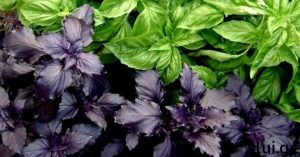
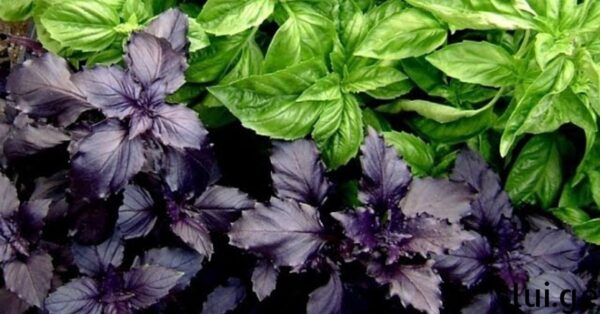
Recent scientific studies have revealed something fascinating: basil, a fragrant and versatile herb that many of us associate only with Italian pesto or a garnish on a fresh salad, is far more than just a culinary delight. In fact, basil has been shown to help the human body fight against bacteria, viruses, and even chronic diseases. What once might have been regarded simply as a kitchen herb now holds its rightful place as one of the most beneficial plants on Earth.
Across cultures and throughout history, basil has been considered a sacred plant. Its extraordinary benefits made it a symbol of protection, purity, and healing in many ancient traditions. Today, modern research confirms much of what traditional medicine has claimed for centuries: basil is a natural antibiotic, an antioxidant powerhouse, and a versatile remedy for a wide range of ailments.
A Sacred Plant in Many Traditions
In Ayurveda, the traditional medicine of India, a type of basil known as Tulsi (Holy Basil) is referred to as the “queen of herbs.” It has been used for thousands of years to treat respiratory problems, boost immunity, and restore balance to the body. In Mediterranean cultures, basil has long been valued for its aromatic qualities and its ability to enhance digestion. Even in ancient Greece and Rome, basil was revered as a plant with both culinary and medicinal significance.
What is particularly remarkable is that despite its widespread use in history, many people today still think of basil only as an ingredient for sauces or pizza toppings. Few realize just how much healing potential lies within its delicate green leaves.
Easy to Grow and Widely Available
Basil grows best in warm, tropical, and temperate climates. It is a resilient herb that can thrive both indoors in a small pot on your kitchen windowsill or outdoors in a garden bed. It does not require complex care—just adequate sunlight, moderate watering, and occasional pruning. Because of its adaptability, basil can be grown year-round in many regions, making it accessible to almost everyone.
This accessibility is another reason why basil is considered one of the most valuable plants in the world: not only is it highly nutritious, but it is also affordable and easy to cultivate, ensuring that its benefits can be enjoyed by people everywhere.
Nutritional Profile: A Treasure Chest of Vitamins and Minerals
Basil is far more than a flavor enhancer—it is a nutrient-dense herb packed with essential vitamins and minerals. Just two tablespoons of fresh basil leaves provide nearly 29% of the Recommended Daily Intake (RDI) of vitamin K, a nutrient crucial for healthy blood clotting and strong bones.
In addition to vitamin K, basil is also rich in:
Vitamin A: Supports healthy vision, immune function, and skin health.
Beta-carotene: A powerful antioxidant that protects the body from oxidative stress.
Vitamin C: Boosts the immune system and accelerates wound healing.
Magnesium: Helps relax blood vessels and supports cardiovascular health.
Manganese: Important for metabolism and antioxidant defense.
Calcium: Essential for bone strength and nerve function.
Iron: Supports red blood cell production and prevents anemia.
Phosphorus and zinc: Contribute to cellular repair and energy production.
What makes basil even more impressive is its abundance of flavonoids—plant compounds that protect the body from cellular damage caused by free radicals. These flavonoids not only reduce inflammation but also lower the risk of chronic diseases such as cancer and cardiovascular disorders.
Antioxidant Power: Shield Against Free Radicals
One of basil’s most celebrated qualities is its strong antioxidant capacity. Antioxidants are molecules that protect the body from oxidative damage, which is caused by unstable free radicals. Free radicals are linked to premature aging, cell damage, and the development of chronic diseases such as diabetes, arthritis, and cancer.
Basil’s antioxidants—such as beta-carotene, vitamin A, and flavonoids—act as protective shields, neutralizing these free radicals and reducing their harmful impact. Regular consumption of basil may therefore contribute to healthier aging, improved immune response, and greater resilience against environmental toxins.
Basil as a Natural Antibiotic
Basil is often referred to as a natural antibiotic, and for good reason. Research has demonstrated its ability to fight off harmful bacteria and pathogens. Its essential oils, including eugenol and linalool, are known for their antibacterial and antimicrobial effects.
When combined with garlic—a well-known natural antibiotic—the healing potential of basil becomes even stronger. Together, they create a powerful remedy for fighting infections, reducing inflammation, and supporting the immune system.
Cleansing the Blood Vessels
Another important benefit of basil lies in its ability to cleanse the circulatory system. Studies suggest that basil can help reduce levels of LDL cholesterol, often referred to as “bad cholesterol.” By lowering LDL levels, basil contributes to the prevention of atherosclerosis, a condition where plaque builds up in the arteries and increases the risk of heart disease and stroke.
This vascular cleansing effect makes basil a natural ally for cardiovascular health. Regular consumption can help keep the heart strong, the blood vessels flexible, and circulation smooth.
Other Health Benefits of Basil
Beyond its antioxidant and antibiotic qualities, basil offers a wide range of additional health benefits. It has been traditionally used and scientifically studied for the following conditions:
Headaches and migraines: Basil’s natural oils provide a soothing effect.
Digestive problems: Helps with diarrhea, constipation, and bloating.
Coughs and colds: Acts as a natural expectorant and supports the respiratory system.
Flu prevention: Strengthens the immune system against viral infections.
Parasitic infections: Shows effectiveness in reducing harmful intestinal parasites.
Skin issues: Used in treating warts and minor infections.
Kidney health: Supports kidney function and helps reduce the risk of stones.
These benefits highlight basil’s versatility as both a culinary ingredient and a natural medicine.
How to Incorporate Basil Into Your Diet
Many people wonder: how much basil should one consume to enjoy its full health benefits? While researchers have not established an exact dosage, what is clear is that herbs and spices significantly contribute to the overall antioxidant content of the human diet.
The good news is that basil is very low in calories yet dense in nutrients. Therefore, adding it generously to meals will enhance both flavor and nutrition without any negative impact.
Simple Ways to Use Basil Daily:
Fresh salads: Chop a handful of basil leaves and mix with fresh tomatoes, mozzarella, and a drizzle of olive oil.
Homemade sauces: Use basil as a base for pesto or add it to pasta sauces for a Mediterranean touch.
Flavor enhancer: Sprinkle torn basil leaves on pizza, soups, or roasted vegetables.
Infused vinegar: Combine basil with balsamic vinegar for a refreshing salad dressing.
Tea and infusions: Brew basil leaves into a soothing tea, especially helpful for respiratory issues.
Smoothies: Blend basil with fruits like strawberries or mango for a refreshing drink.
Fresh vs. Dried Basil: Which Is Better?
If you must choose between fresh and dried basil, always opt for fresh leaves whenever possible. While dried basil still retains some flavor, many of the antioxidants, volatile oils, and healing compounds are lost during the drying process. Fresh basil contains higher concentrations of essential oils and nutrients, offering greater health benefits along with superior taste and aroma.
That said, dried basil still holds value as a spice in cooking, but for maximum therapeutic effect, fresh basil is the preferred choice.
Basil Oil and Tea: Additional Forms of Use
In addition to using fresh leaves, basil is also available in the form of essential oils and herbal teas. Basil essential oil, when diluted properly, can be applied topically to relieve muscle aches, headaches, or skin irritations. Basil tea, on the other hand, offers a calming beverage that supports digestion, relieves stress, and enhances respiratory health.
However, while both basil oil and basil tea have traditional uses, scientific evidence regarding their effectiveness is somewhat limited. They are safe to try, but fresh basil incorporated into meals remains the most reliable and accessible way to benefit from this herb.
Basil: A Superfood for Modern Lifestyles
In today’s fast-paced world, many people turn to costly supplements, artificial vitamins, or complex diets in search of better health. Yet nature often provides simple, affordable, and effective alternatives. Basil stands as a shining example.
Adding basil to your meals not only enriches flavor but also delivers a steady supply of antioxidants, vitamins, and minerals that strengthen the body against disease. Its role in protecting the heart, improving digestion, and boosting immunity makes it a valuable addition to any diet.
Looking ahead, it is not impossible to imagine a future where basil becomes a staple not only in spice racks but also in pharmacy shelves—acknowledged as both food and medicine.
Conclusion: Embrace Basil for Health and Flavor
Whether you are sprinkling it over pasta, brewing it into tea, or blending it into a fresh sauce, basil offers far more than taste. It provides powerful health benefits backed by both tradition and science.
From fighting bacteria and viruses to cleansing blood vessels and protecting against oxidative stress, basil is truly a gift of nature—a sacred plant that deserves a place in every household.
The next time you add a few leaves of basil to your dish, remember: you are not only enhancing flavor, you are also nourishing your body, strengthening your immunity, and investing in long-term wellness.