











Lower Limb Thrombosis: Causes, Risk Factors, and Comprehensive Prevention Strategies
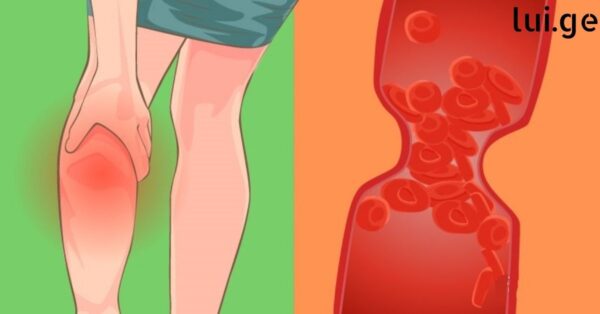
Lower limb thrombosis is a serious medical condition characterized by the formation of blood clots (thrombi) in the deep veins of the legs. This condition can have significant consequences if left untreated, including the risk of pulmonary embolism, chronic venous insufficiency, post-thrombotic syndrome, and in severe cases, death. According to global epidemiological studies, approximately one in five people will experience some form of venous thrombosis during their lifetime, and thrombosis develops in nearly half of these cases as a result of varicose veins. Interestingly, women are affected almost 70% of the time, highlighting the influence of gender-specific risk factors such as hormonal changes and pregnancy.
Understanding the causes and preventive measures of lower limb thrombosis is crucial not only for patients who are already at risk but also for the general population, particularly those who lead sedentary lifestyles, have certain professional obligations, or possess predisposing medical conditions. With early intervention, lifestyle modifications, and regular exercise, it is possible to significantly reduce the likelihood of developing this dangerous condition.
Understanding Thrombosis: Pathophysiology and Risk Factors
What Is Thrombosis?
Thrombosis occurs when blood clots form in a vein, obstructing the normal blood flow back to the heart. This obstruction leads to venous stasis, increased venous pressure, and potential damage to the vein walls. When the thrombus detaches, it may travel to the lungs, causing a pulmonary embolism, which is life-threatening. Therefore, understanding why thrombosis develops is essential for prevention.
The condition primarily affects the deep veins of the lower limbs, including the popliteal, femoral, and iliac veins. Several factors influence thrombus formation, often summarized using Virchow’s Triad, which includes:
Venous Stasis: Slow or obstructed blood flow.
Endothelial Injury: Damage to the vein wall.
Hypercoagulability: Increased tendency of blood to clot.
The following sections provide a detailed analysis of the main causes, lifestyle factors, and preventive measures.
Main Causes of Lower Limb Thrombosis
Lower limb thrombosis can develop due to a combination of objective, lifestyle-related, and individual factors. Recognizing these causes is crucial to preventing the disease.
1. Prolonged Sitting During Transport
Extended periods of immobility, such as sitting in cars, buses, or airplanes, can have harmful effects on venous circulation. When the calf muscles remain inactive, venous return to the heart decreases, increasing the risk of clot formation. This is especially significant during long-distance flights where passengers may remain seated for hours.
Preventive Measures:
Stand and walk every 60 minutes during long journeys.
Elevate your legs whenever possible to improve venous return.
Avoid wearing tight clothing or restrictive socks that compress the veins.
Limit high-heeled shoes above 6 cm, as they increase pressure on the calf muscles.
2. Occupational Risks
Certain professions pose a higher risk of thrombosis due to prolonged standing or sitting. Individuals working as chefs, salespeople, hairdressers, and inspectors frequently stand for long periods, which doubles the pressure on the veins and weakens their walls. Similarly, sedentary jobs such as accounting, secretarial work, or office desk jobs lead to blood stagnation.
Preventive Measures:
Regularly move around and take walking breaks.
Every 40–50 minutes, perform simple foot and leg exercises:
Heel-to-toe raises
Foot rotations
Stair climbing
3. Hormonal Factors
Women are more prone to thrombosis due to hormonal changes, particularly during pregnancy or while taking oral contraceptives. Hormonal shifts, combined with pressure from the growing uterus, can compress veins and reduce venous blood flow.
Preventive Measures:
Limit prolonged use of hormonal contraceptives.
During pregnancy, use compression stockings or elastic bandages.
Avoid overly tight clothing that can restrict blood flow.
Elevate legs slightly above body level during rest to enhance venous return.
4. Surgical Interventions
Postoperative thrombosis is a significant cause of lower limb venous disorders. This is particularly common after oncological or orthopedic surgeries, where patients may remain immobile for extended periods. Immobility increases the risk of blood stasis, which is a major factor in thrombus formation.
Preventive Measures:
Minimize bed rest duration post-surgery whenever possible.
Use elastic bandages or compression stockings to maintain blood flow.
Encourage early ambulation under medical supervision to stimulate circulation.
5. Metabolic Factors
Obesity and metabolic disorders contribute to thrombosis by increasing venous pressure and promoting blood stasis. Excess adipose tissue compresses veins and impairs blood circulation, especially in the lower extremities.
Preventive Measures:
Adopt a balanced diet low in saturated fats and processed foods.
Consume fiber-rich foods, vegetables, and fruits to support healthy blood viscosity.
Include beneficial foods like plums and lemons to promote normal circulation.
Drink at least 2 liters of water daily to prevent dehydration and blood thickening.
Engage in exercises that target the legs: walking, running, swimming, aerobics, or cycling.
Use contrast showers to improve vascular tone and blood flow.
Common Symptoms of Lower Limb Thrombosis
Recognizing the early signs of thrombosis is essential for timely intervention. Symptoms may include:
Swelling of one leg, usually below the knee.
Red or bluish discoloration of the affected limb.
Pain, often described as cramping or aching.
Warmth or tenderness along the vein.
Visible surface veins in some cases.
Prompt recognition and medical evaluation are critical, as early treatment prevents severe complications like pulmonary embolism.
Exercises for Thrombosis Prevention
Targeted exercises can significantly improve venous return and reduce the risk of clot formation. Here are some effective routines:
Foot Exercises:
Sit on a chair, feet parallel.
Lift toes toward yourself, then lift heels.
Repeat 8 times.
Hamstring Stretch:
Stand with feet hip-width apart.
Bend one leg slightly and place the other on tiptoe.
Lean forward until tension is felt in the hamstring.
Hold for 30 seconds per leg.
Lower Leg Muscle Strengthening:
Stand with feet hip-width apart.
Rise onto toes and lower slowly.
Repeat 12 times.
Hip Rotation:
Stand on one leg.
Rotate the raised leg in circular motions, inward and outward.
Perform 4 rotations in each direction per leg.
Spinal Stretch:
Stand with feet hip-width apart.
Raise arms and exhale, bending forward to touch toes.
Repeat 8 times.
Lifestyle Recommendations
Maintain healthy body weight to reduce venous pressure.
Avoid prolonged immobility during work or travel.
Wear compression stockings if at risk.
Stay hydrated to maintain blood fluidity.
Include cardiovascular exercises to improve circulation.
Limit high-salt foods to prevent fluid retention.
Medical Interventions
In addition to lifestyle adjustments, medical interventions may be necessary for high-risk individuals:
Anticoagulant medications to prevent clot formation.
Venous Doppler ultrasound for early detection.
Surgical procedures in severe or chronic cases.
Consultation with a healthcare provider is essential before starting any medical therapy, especially for individuals with a history of varicose veins, previous thrombosis, or chronic cardiovascular conditions.
Conclusion
Lower limb thrombosis is a multifactorial condition influenced by lifestyle, occupation, hormonal status, surgical history, and metabolic health. By understanding the causes, recognizing early symptoms, implementing targeted exercises, and maintaining a healthy lifestyle, it is possible to significantly reduce the risk of this serious condition. Regular medical check-ups and timely intervention further enhance vascular health and prevent life-threatening complications.
Preventing thrombosis is a combination of awareness, active lifestyle, diet, and specific exercises. Simple daily practices, such as walking, leg stretching, and staying hydrated, can preserve vein health and maintain overall circulation.