















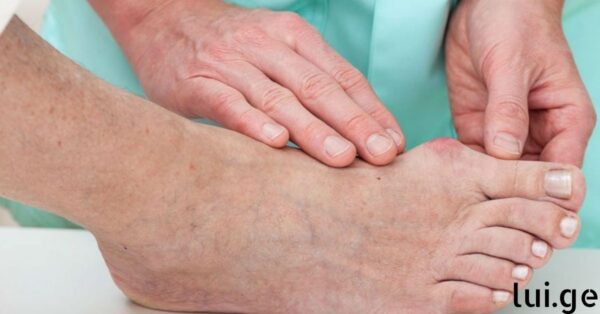
Understanding and Managing Foot Bone Deformities (Hallux Valgus) Naturally
Foot health is a crucial aspect of overall well-being, yet it is often overlooked until discomfort or visible deformities develop. Among the most common structural issues of the foot is the development of a bony prominence, medically referred to as hallux valgus or more colloquially as a “bunion.” This condition is characterized by a noticeable protrusion on the side of the big toe, often accompanied by pain, redness, and swelling. It can affect mobility, cause discomfort in footwear, and in some cases, lead to chronic inflammation and joint changes.
Genetic Predisposition
Foot deformities such as hallux valgus have a hereditary component. Genetics can influence bone structure, joint laxity, and the alignment of toes, making some individuals more prone to developing bunions. For instance, if a mother or grandmother has a history of bunions, there is an increased likelihood that her descendants may inherit the structural tendencies associated with this condition.
However, it is important to note that genetics alone do not determine the outcome. Environmental factors, lifestyle habits, footwear choices, and occupational demands play an equally significant role in the development and progression of foot deformities. While a person may inherit a predisposition to bunions, appropriate preventive measures can significantly reduce the risk of severe deformity and associated pain.
Personal Experience: Learning About Genetic Foot Conditions
During a biology lesson on genetics, students often learn about inherited conditions as concrete examples of gene-driven traits. One such example highlighted the development of bony foot deformities as a hereditary condition, particularly along the female line. The teacher explained that if a mother or grandmother had this condition, the probability of children developing similar issues was higher.
For many students, such examples can be startling. Observing a family member with a noticeable foot deformity creates a tangible connection to theoretical knowledge. For instance, seeing a mother or grandmother with long-term foot problems may provoke concern about one’s own susceptibility. While children may react emotionally—feeling worry, fear, or even frustration—understanding prevention and early intervention empowers individuals to take control of their foot health.
Causes and Contributing Factors
Genetic Structure of the Foot:
Hereditary factors determine bone shape, toe alignment, and ligament flexibility.
Some individuals are genetically predisposed to bunions due to narrower foot bones, hypermobile joints, or abnormal weight distribution.
Occupational Stress:
Jobs that require prolonged standing, such as nursing, retail work, or kitchen staff, increase the pressure on the forefoot and accelerate the progression of bunions.
Repetitive stress on the first metatarsophalangeal joint can lead to enlargement of the bony prominence over time.
Footwear Choices:
Tight or narrow shoes, high heels, and shoes with pointed toes can exacerbate deformities.
Improper footwear restricts natural toe alignment and increases mechanical stress on the joint.
Lifestyle and Body Weight:
Excess body weight adds pressure to the feet, accelerating joint wear and deformity.
Sedentary lifestyles may contribute to reduced muscle strength and flexibility in the feet, indirectly affecting toe alignment.
Environmental Factors:
Exposure to cold, wet environments may aggravate joint stiffness and inflammation.
Poor foot hygiene or lack of supportive footwear can worsen discomfort.
Symptoms of Foot Bone Deformities
Visible bony bump on the side of the big toe
Pain or tenderness, particularly when wearing tight shoes
Swelling and redness around the joint
Stiffness or restricted range of motion in the toe
Difficulty walking or discomfort while standing for prolonged periods
Early recognition of symptoms allows for preventive measures and non-invasive interventions that can reduce pain and slow the progression of the deformity.
Preventive Measures
Even for individuals with a genetic predisposition, it is possible to prevent severe bunion formation with proactive care:
Appropriate Footwear:
Wear shoes with a wide toe box and adequate arch support.
Avoid high heels or overly tight shoes that force toes into unnatural positions.
Weight Management:
Maintain a healthy weight to reduce mechanical stress on the forefoot and first metatarsophalangeal joint.
Foot Exercises:
Strengthen intrinsic foot muscles through toe stretches, towel scrunches, and balance exercises.
Regular mobility exercises help maintain joint flexibility and reduce deformity progression.
Avoid Prolonged Standing or Walking in Unsupportive Shoes:
Use cushioned insoles or orthopedic inserts to distribute weight evenly.
Protective Measures:
Warm compresses can soothe joint stiffness and improve blood flow.
Avoid exposure to extreme cold or damp environments that may aggravate inflammation.
Natural Treatment with Dimexide and Chlorophyllipt Oil
For individuals who experience pain, swelling, or progressive enlargement of the bony prominence, a simple, natural treatment has proven effective over years of practical use. This method combines Dimexide, a transdermal enhancer with anti-inflammatory properties, and Chlorophyllipt oil, a natural extract known for its regenerative and anti-inflammatory effects.
Materials Needed
Chlorophyllipt Oil Solution – for local application
Dimexide – a transdermal carrier that enhances absorption
Cotton pads – for applying compresses
5 mL Syringe – for precise measurement of liquids
Plastic cup or small container – for preparing the solution
Preparation
Measure 3 mL of Chlorophyllipt oil solution using a syringe and pour it into a clean container.
Add 1 mL of Dimexide to the Chlorophyllipt solution and mix thoroughly.
Soak a cotton pad in the mixture and apply directly to the bony protrusion on the foot.
Application Procedure
Apply the compress twice daily, preferably morning and evening.
Leave the compress on for 15 minutes, allowing the active components to penetrate the joint area.
After removal, gently wash the area and dry.
With consistent use, individuals often report:
Noticeable reduction in pain and inflammation
Decreased redness and swelling
Slower progression of the bony prominence
This natural remedy leverages the anti-inflammatory properties of Chlorophyllipt and the penetration-enhancing effects of Dimexide, providing relief without the need for pharmaceutical intervention.
Additional Benefits and Considerations
Multifunctional Use: In many hospitals, Chlorophyllipt is widely used for throat rinses, skin conditions, and minor wounds, highlighting its versatility as a natural remedy.
Ease of Use: This treatment can be performed at home, requires minimal equipment, and is cost-effective compared to surgical interventions.
Safe for Long-Term Use: When applied according to guidelines and with proper dilution, side effects are minimal.
Important Precautions
Conduct a patch test before full application to ensure there is no allergic reaction.
Avoid use on broken skin, ulcers, or open wounds.
Individuals with sensitive skin or a history of keloid scarring should consult a healthcare professional prior to use.
Combining Prevention and Treatment
The most effective strategy for maintaining foot health combines:
Preventive measures – proper footwear, weight management, and foot exercises
Natural treatment – Dimexide and Chlorophyllipt compresses for active inflammation and pain relief
Regular monitoring – periodic assessment of foot structure to detect early changes
By integrating these approaches, individuals can significantly reduce the risk of severe bunion development, manage discomfort, and preserve mobility throughout life.
Conclusion
Foot bone deformities, while partially influenced by genetics, are manageable and preventable with proactive care. Home remedies, such as Dimexide and Chlorophyllipt compresses, offer a safe, natural, and cost-effective method to alleviate pain, reduce inflammation, and slow the progression of bony prominences. Combined with preventive measures and proper footwear, these strategies allow individuals to maintain foot health, mobility, and comfort.
By understanding the genetic predisposition and adopting both preventive and active treatment approaches, it is possible to enjoy healthy, pain-free feet without resorting to invasive procedures.
Disclaimer: This guide is intended for educational purposes and home use. It is not a substitute for professional medical advice. Consult a healthcare professional if you have severe deformities, chronic pain, or any underlying medical conditions.








































