














How to Restore Your Energy and Stop Feeling Drained
Do you often feel tired, lethargic, or ineffective? Do you wish you could restore your energy and feel fully alive throughout the day? The first step toward reclaiming your vitality is identifying the factors that drain your energy. Energy loss can result from external influences, such as people or your environment, the food you consume, or even your own behaviors and habits.
Humans possess different types of energy: emotional, physical, and spiritual. Each type of energy has its own barriers and sources of stimulation. Our energy can be replenished through nutrition, emotions, physical movement, or quality sleep. But what exactly drains our strength? Below, we explore three common habits that silently deplete your energy.
1. Ignoring Your Chronotype
A person’s chronotype is a natural inclination toward activity at certain times of the day. Essentially, it determines when you are most alert and productive. Chronotype is influenced by genetic predisposition, which affects your sleep-wake cycle and peak performance times.
There are generally two main types of chronotypes:
“Larks” wake up early and are most productive during morning hours. They tend to go to bed before midnight and often struggle with late-night activities.
“Owls” naturally stay up late, often performing best in the evening or at night. Early mornings can feel particularly challenging for them.
Understanding your chronotype is a powerful tool. By aligning your daily activities with your natural energy cycles, you can maximize your productivity, focus, and overall well-being. For instance, a morning person may schedule demanding tasks in the first half of the day, while an evening person may reserve creative or high-concentration work for later hours.
Ignoring your chronotype—forcing yourself to operate outside your natural rhythm—leads to chronic fatigue, reduced effectiveness, and mental fog. Respecting your internal clock helps maintain energy and prevents unnecessary depletion.
2. Negative People and Environments
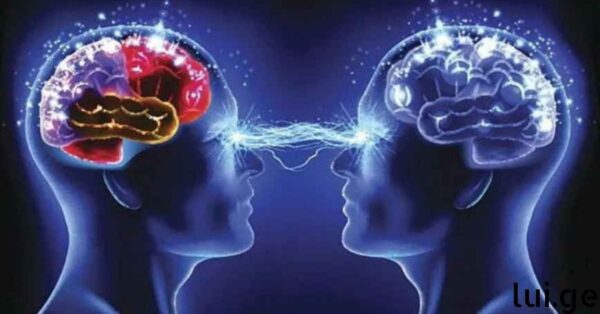
Another major drain on energy comes from toxic or negative individuals. These are often referred to as “energy vampires”. Such individuals unconsciously or consciously feed on others’ emotional and physical energy, seeking vulnerabilities in your emotional defenses.
How to Identify Energy Vampires:
Notice how you feel after interacting with someone.
Do you experience irritation, shame, weakness, or confusion around them?
Pay attention to recurring negative emotions that arise in specific relationships.
If consistent interactions leave you feeling depleted, it’s essential to minimize contact or set clear boundaries. Protecting your energy does not mean cutting everyone off; rather, it is about prioritizing interactions that support your mental, emotional, and physical well-being.
Surrounding yourself with supportive, positive people restores energy, fosters resilience, and improves overall health. Conversely, persistent exposure to negativity can lead to chronic fatigue, emotional burnout, and decreased productivity.
3. Excess Sugar Consumption
Sugar may provide a temporary energy boost, but this effect is short-lived. Approximately one to two hours after consuming sugary foods, blood sugar levels spike and then crash, leaving you feeling:
Tired and sluggish
Irritable
Hungry again, craving more sweets
This cycle can become addictive, creating a loop that continuously drains your energy. Beyond the immediate effects, processed sugar induces inflammation in the body, which further depletes your energy reserves and negatively affects mental clarity, mood, and physical vitality.
To maintain steady energy levels, it is recommended to:
Limit refined sugars in your diet
Focus on complex carbohydrates, protein, and healthy fats
Incorporate fiber-rich fruits and vegetables that provide sustained energy without spikes and crashes
Simple Habits to Boost Energy
Restoring energy doesn’t always require drastic lifestyle changes. Small, consistent habits can significantly improve your vitality. Here are a few often-overlooked practices:
1. Laughter
Laughter is a natural energy booster. When you laugh:
Your body releases endorphins, the natural “feel-good” chemicals
Cortisol, the stress hormone, decreases, reducing tension
Blood flow and oxygenation improve, energizing your muscles and brain
Incorporate moments of humor into your day—watch a funny video, share jokes with friends, or engage in playful activities. Even brief laughter sessions can rejuvenate your energy reserves.
2. Music
Music profoundly affects emotional, mental, and physical energy. Listening to music you enjoy can:
Improve focus and concentration
Enhance mood and motivation
Increase physical energy during exercise or daily tasks
Stimulate creativity and cognitive function
Choose music that resonates with your preferences. Calm classical music may help with relaxation and stress reduction, while upbeat tracks can invigorate your energy levels during workouts or challenging tasks.
3. Physical Movement
Regular movement supports energy at multiple levels:
Muscle activity stimulates blood flow, delivering oxygen and nutrients throughout the body
Exercise boosts endorphins, reducing fatigue and enhancing mental alertness
Even simple walking or stretching breaks can revitalize energy mid-day
Incorporate at least 20–30 minutes of movement into your daily routine. For those with sedentary jobs, small adjustments such as standing up, stretching, or taking short walks can prevent energy depletion.
4. Quality Sleep
Sleep is critical for restoring energy. Chronic sleep deprivation or poor-quality sleep leads to:
Impaired cognitive function
Reduced emotional resilience
Physical fatigue and decreased immunity
Understanding your sleep needs and respecting your chronotype helps maintain energy levels. Ensure your sleep environment is comfortable, quiet, and free from distractions. Aim for 7–9 hours of restorative sleep per night.
Summary: Reclaim Your Energy
Energy is a finite resource, and modern life often places multiple demands on it. Understanding the sources of energy loss and adopting strategies to replenish it are essential for overall well-being. Key takeaways include:
Respect your chronotype – Align your activities with your natural sleep-wake cycle.
Protect yourself from energy vampires – Minimize contact with negative people and set emotional boundaries.
Reduce sugar consumption – Focus on foods that provide sustained energy without causing crashes.
Incorporate laughter and music – Natural, enjoyable activities can boost emotional and physical energy.
Engage in regular physical movement – Even simple exercises improve circulation, mood, and vitality.
Prioritize restorative sleep – Proper sleep is the foundation of sustained energy.
By implementing these strategies, you can break the cycle of chronic fatigue, improve mental clarity, and enhance overall quality of life. Small, intentional changes in daily habits can dramatically increase your energy and help you feel more alive, focused, and productive.