














Hypothyroidism: Symptoms, Causes, and Why Early Diagnosis Matters
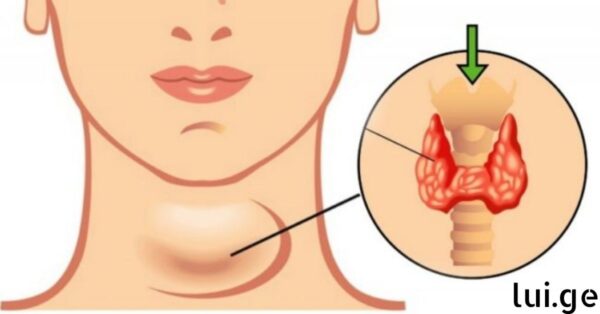
Hypothyroidism is a systemic condition caused by insufficient production of thyroid hormones. The thyroid, a small butterfly-shaped gland located in the front of the neck, plays a vital role in regulating metabolism, energy balance, and the function of nearly every organ system in the body.
Although hypothyroidism can affect anyone, it is significantly more common in women, especially after the age of 40. One of the greatest challenges in managing hypothyroidism is that its early symptoms are subtle and often mistaken for other conditions such as vitamin deficiency, stress, or simple fatigue. This makes timely diagnosis crucial to prevent long-term complications.
In this article, we will explore the most common symptoms of hypothyroidism, why they occur, and what they mean for your overall health.
Why Thyroid Hormones Are So Important
The thyroid gland produces two main hormones: thyroxine (T4) and triiodothyronine (T3). These hormones influence:
Metabolism: how quickly the body converts food into energy.
Growth and development: especially important in childhood.
Cardiovascular function: regulation of heart rate and rhythm.
Digestive processes: stimulation of intestinal motility.
Reproductive health: interaction with sex hormones and fertility.
Neurological balance: impact on mood, memory, and cognitive abilities.
When the thyroid does not produce enough hormones, all of these systems may slow down, leading to a wide variety of symptoms that can sometimes be confusing.
Key Symptoms of Hypothyroidism
1. Low Mood, Irritability, and Depression
Insufficient thyroid hormone levels can interfere with the brain’s chemistry. In particular, they reduce the production and regulation of serotonin, a neurotransmitter responsible for mood and emotional stability.
As a result, people with hypothyroidism often report:
Persistent sadness or low mood.
Increased anxiety, irritability, or nervous tension.
Difficulty managing stress or unexpected aggression.
Why this matters: These psychological symptoms are often misdiagnosed as depression alone, delaying treatment.
2. Digestive Issues – Especially Constipation
Thyroid hormones stimulate the movement of the digestive tract. When levels are low, the gut slows down, leading to:
Constipation (sometimes chronic).
Bloating or abdominal discomfort.
Reduced appetite, despite weight gain.
This is one of the most common early warning signs of hypothyroidism.
3. Excessive Sleepiness and Constant Fatigue
A hallmark symptom of hypothyroidism is persistent tiredness, even after adequate sleep. Some individuals can sleep up to 12 hours a day yet still wake up feeling drained.
Key indicators:
Morning sluggishness.
Midday fatigue despite rest.
Difficulty staying alert at work or during routine tasks.
4. Hair Loss and Dry Skin
Because thyroid hormones regulate cellular metabolism and protein synthesis, their deficiency disrupts the supply of nutrients to hair and skin. This results in:
Hair thinning across the scalp, eyebrows, and even eyelashes.
Dry, rough, or pale skin that may appear yellowish in advanced cases.
Brittle nails that break easily.
These visible signs often provide important diagnostic clues.
5. Unexplained Weight Gain
One of the most frustrating symptoms for patients is weight gain without dietary changes. When metabolism slows, the body burns fewer calories, and weight loss efforts often prove ineffective until hormone balance is restored.
Note: Weight gain in hypothyroidism is typically modest (5–10 kilograms), but it can be resistant to exercise and dieting.
6. Decreased Libido and Reproductive Changes
The thyroid is closely connected to the reproductive system. Hormonal imbalance can affect sex hormones, leading to:
Reduced sexual desire (low libido).
Menstrual irregularities in women (heavy, infrequent, or absent periods).
Fertility issues in both men and women.
7. Muscle Aches, Spasms, and Joint Pain
Low thyroid hormone levels can damage or weaken nerves that transmit signals between the brain and muscles. This results in:
Frequent cramps.
Generalized muscle stiffness.
Joint aches and reduced flexibility.
This symptom is sometimes mistaken for arthritis or fibromyalgia.
8. Heart Rhythm Disturbances
Thyroid hormones are critical for maintaining a healthy heartbeat. Hypothyroidism can cause:
Bradycardia (slower-than-normal heart rate).
Occasional palpitations.
Chest discomfort or pain.
Ignoring these signs may increase the risk of long-term cardiovascular problems.
9. Memory Problems and Mental Fog
People with hypothyroidism often describe a sense of mental cloudiness or “brain fog.” Symptoms include:
Forgetfulness (even with familiar information).
Difficulty concentrating.
Slower learning and reduced mental sharpness.
Many women attribute these symptoms to aging or stress, but they are often thyroid-related.
10. Low Blood Pressure
While high blood pressure is common in many metabolic disorders, hypothyroidism often causes the opposite: low blood pressure (hypotension). This may contribute to:
Dizziness.
Fainting spells.
Cold hands and feet due to poor circulation.
11. Swelling (Edema)
Characteristic swelling is often seen in hypothyroid patients:
Puffy face and eyelids.
Swelling of the tongue, which may appear enlarged.
General water retention in the body.
This swelling, called myxedema, is a typical sign of advanced hypothyroidism.
12. Discomfort in the Throat
An enlarged thyroid (goiter) or inflammation can cause:
A sensation of having a “lump” in the throat.
Hoarseness or changes in voice.
Visible swelling in the neck area.
Such symptoms always warrant urgent consultation with an endocrinologist.
Why Hypothyroidism Is Misdiagnosed
Many symptoms of hypothyroidism are non-specific and overlap with other conditions such as:
Depression or anxiety.
Vitamin deficiencies.
Menopause.
Chronic fatigue syndrome.
Because of this, many patients delay seeking specialist care. Proper diagnosis requires a blood test measuring TSH, T3, and T4 hormone levels.
Possible Complications if Left Untreated
If hypothyroidism is not diagnosed and managed in time, it may lead to:
Severe weight gain and metabolic syndrome.
Infertility and pregnancy complications.
High cholesterol and cardiovascular disease.
Myxedema, a rare but life-threatening form of severe hypothyroidism.
When to See a Doctor
Seek medical attention if you experience:
Persistent fatigue and drowsiness.
Unexplained weight gain.
Hair loss and dry skin combined with mood changes.
Neck swelling or discomfort in the throat.
Memory decline or prolonged depression.
An endocrinologist can confirm the diagnosis with blood tests and prescribe hormone replacement therapy, which is highly effective when started early.
Conclusion
Hypothyroidism is more than just feeling tired or sluggish—it is a serious endocrine disorder that affects the whole body. Because symptoms are often subtle, they are frequently ignored or attributed to aging, stress, or lifestyle. However, early recognition and treatment are essential to avoid long-term complications.
If you notice several of the symptoms listed above, don’t dismiss them as “normal.” Consult a doctor, get your thyroid levels tested, and take proactive steps to protect your health.
✅ Key takeaway: Many everyday symptoms like fatigue, hair loss, weight gain, or depression may point to hypothyroidism rather than simple vitamin deficiency. Early detection and proper treatment can restore energy, stabilize mood, and improve overall quality of life.