












Habits That Damage Your Teeth and How to Avoid Them
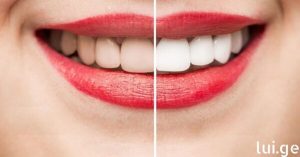
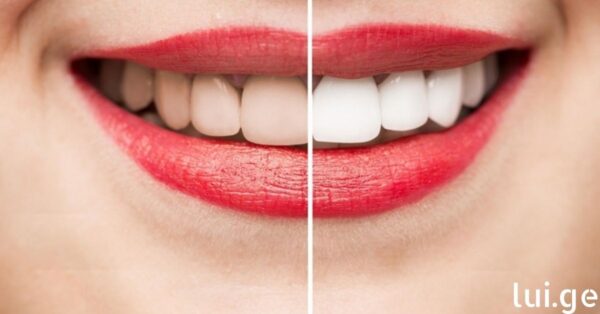
Your smile is one of the first things people notice about you. Studies show that 94% of people say a smile is the first feature they observe when meeting someone. A bright, healthy smile is not just a sign of beauty; it also reflects good oral hygiene and overall health. However, many of us unknowingly engage in habits that damage our teeth, contributing to discoloration, enamel erosion, and other dental problems.
In this article, we will explore common habits that can harm your teeth and provide practical advice on how to prevent damage, maintain a healthy smile, and improve your oral hygiene.
1. Consuming Certain Berries
Fresh berries like blueberries, blackberries, and cherries are widely praised for their health benefits. They are rich in antioxidants, vitamins, and fiber. However, these same compounds can also stain your teeth. Berries contain strong pigments called anthocyanins, which easily adhere to the enamel and cause discoloration.
Additional considerations:
Berries used in jams, pastries, or baked goods can have an even stronger staining effect due to added sugars and concentrated pigments.
Not all berries stain equally. For example, strawberries contain malic acid, which may help whiten teeth slightly by removing surface stains.
Tips to protect your teeth:
Rinse your mouth with water after eating pigmented fruits.
Use a straw when drinking berry smoothies to reduce contact with teeth.
Brush gently after 30 minutes to avoid enamel erosion from acidity.
2. Drinking Cold Tea or Ice Tea
While tea is often considered healthy, iced teas or cold brews can harm your teeth. Many cold teas contain apple acid, malic acid, or other acidic compounds, which can erode enamel over time.
How acid affects teeth:
Weakens enamel and makes teeth more prone to discoloration.
Increases the risk of cavities if consumed frequently without proper oral hygiene.
Protective strategies:
Prefer warm or hot tea without added sugars.
Rinse with water after drinking cold tea to neutralize acids.
Include foods that increase saliva production, such as cheese or nuts, to help protect enamel.
3. Excessive Swimming
Swimming is excellent for fitness, but spending more than six hours a week in a chlorinated pool may discolor teeth. While chlorine kills bacteria in the water, it can also react with your enamel and contribute to yellowing or weakening of teeth.
Tips for swimmers:
Brush your teeth after swimming if possible.
Use a fluoride toothpaste to strengthen enamel.
Drink water during and after swimming to wash away residual chlorine.
4. Using Certain Mouthwashes
Mouthwash is intended to provide fresh breath and reduce bacteria. However, some formulations can negatively affect tooth color. Ingredients like chlorine, alcohol, or essential oils may react with pigments from food and beverages, increasing discoloration.
How to use mouthwash safely:
Choose alcohol-free or chlorine-free formulations.
Limit use to once or twice a day, preferably before bedtime.
Continue brushing and flossing to remove plaque and stains effectively.
5. Using a Hard Toothbrush
Many people believe that a hard-bristled toothbrush will whiten teeth more effectively. In reality, hard bristles can damage enamel, making teeth more vulnerable to staining, sensitivity, and decay.
Dental recommendations:
Use a soft-bristled toothbrush.
Replace your toothbrush every 3 months or when bristles lose shape.
Brush gently with circular motions to remove plaque without damaging enamel.
6. Cooking with Certain Spices
Some spices are notorious for staining teeth, especially dark-colored ones like curry, turmeric, and paprika. Regular exposure can lead to yellowing over time.
Healthier alternatives:
Use lighter spices like cinnamon, thyme, or ginger, which add flavor without staining.
Pair with foods high in calcium or crunchy vegetables to naturally clean teeth.
Rinse with water after consuming strongly pigmented spices.
7. Experiencing Stress
Chronic stress can manifest in oral health through behaviors like teeth grinding (bruxism). Grinding or clenching teeth regularly can:
Wear down enamel, making teeth more susceptible to yellowing.
Cause jaw pain, headaches, and temporomandibular joint (TMJ) disorders.
Increase sensitivity and make teeth prone to cracks or chipping.
Managing stress for oral health:
Practice relaxation techniques such as yoga, meditation, or deep breathing.
Use a mouthguard at night if you grind your teeth.
Seek professional guidance from a dentist or therapist for severe stress-related grinding.
8. Excessive Coffee, Tea, or Dark Beverages
Coffee, black tea, and certain soft drinks contain tannins and pigments that adhere to enamel. Frequent consumption leads to surface stains and dull, yellowed teeth.
Tips to minimize staining:
Use a straw for cold beverages to limit direct contact with teeth.
Rinse your mouth with water after drinking dark beverages.
Consider whitening toothpaste or professional cleaning periodically.
9. Poor Oral Hygiene
Even small lapses in oral hygiene can accelerate teeth discoloration. Plaque buildup attracts stains from foods and beverages, while tartar hardens into yellow deposits that are harder to remove.
Daily routine for healthy teeth:
Brush twice daily with fluoride toothpaste.
Floss at least once a day to remove plaque between teeth.
Visit your dentist every 6–12 months for professional cleaning and check-ups.
10. Smoking and Tobacco Use
Tobacco is a leading cause of tooth discoloration. Nicotine and tar stain teeth, producing yellow or brown surfaces, and also contribute to gum disease and oral cancer.
Reducing risk:
Quit smoking or using tobacco products.
If you smoke occasionally, rinse your mouth immediately afterward.
Maintain regular dental hygiene to counteract staining.
11. Nail Biting and Using Teeth as Tools
Biting nails, chewing on pens, or opening packaging with teeth may seem harmless but can damage enamel, chip teeth, and accelerate discoloration.
Healthy alternatives:
Keep nails trimmed and use fidget tools to reduce nail-biting.
Use scissors or proper tools instead of teeth for opening objects.
Strengthen teeth with calcium-rich foods and regular dental care.
12. Excessive Sugary or Acidic Foods
Candy, soda, citrus, and sour candies contain sugars and acids that:
Promote decay by feeding harmful oral bacteria.
Erode enamel, leading to sensitivity and yellowing.
Increase risk of cavities and gum disease.
Preventive strategies:
Consume sweets in moderation.
Rinse your mouth with water after eating sugary or acidic foods.
Use sugar-free gum to stimulate saliva production, which protects teeth.
13. Not Drinking Enough Water
Water is crucial for oral health, as it washes away food particles, neutralizes acids, and supports saliva production. Insufficient hydration can lead to dry mouth, increasing the risk of cavities and enamel damage.
Tips:
Drink at least 6–8 glasses of water daily.
Include water after meals and between beverages that stain teeth.
Chew sugar-free gum to stimulate saliva if you feel dry mouth.
Conclusion
A beautiful, healthy smile requires more than brushing and flossing. Daily habits, diet, and lifestyle choices significantly affect tooth color, enamel strength, and oral health. By recognizing harmful behaviors and making small adjustments, you can:
Maintain white, strong teeth.
Prevent enamel erosion and cavities.
Reduce the risk of gum disease and other oral problems.
Start by evaluating your daily routine, identifying risky habits, and implementing protective strategies. Over time, consistent care and awareness will lead to a healthier, brighter smile that reflects overall wellness.
Key Takeaways:
Rinse your mouth after consuming pigmented foods or acidic beverages.
Use a soft-bristled toothbrush and replace it regularly.
Manage stress to prevent teeth grinding.
Limit smoking, sugary foods, and excessive coffee or tea.
Stay hydrated and maintain a consistent oral hygiene routine.








































