












Bone and Joint Pain: Causes, Remedies, and a Natural Recipe for Relief
Introduction: Understanding the Burden of Bone Pain
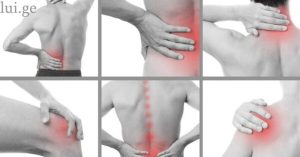
Bone and joint pain is one of the most common health complaints worldwide, particularly as people age. Anyone who has experienced it knows how unbearable it can sometimes be. For many, the pain becomes so intense that they are forced to remain in bed, unable to carry out daily activities. Although it is often associated with aging, bone and joint pain can occur at virtually any stage of life.
This discomfort may present as sensitivity, stiffness, aching bones, or sore muscles. While age-related wear and tear is one of the primary causes, sedentary lifestyle habits, poor posture, and nutritional deficiencies also contribute significantly.
As we grow older, physical activity often decreases, and as a result, muscle mass and bone density gradually decline. This makes individuals more susceptible to fractures, arthritis, and joint degeneration. Not surprisingly, many people report pain in the knees, hips, lower back, shoulders, or neck as they advance in years.
In this article, we will explore the causes of bone and joint pain, distinguish it from related conditions such as arthritis, and present a powerful natural remedy that may help alleviate symptoms. We will also discuss lifestyle adjustments, diet, and preventive strategies to maintain bone strength and joint flexibility throughout life.
Do “Bone Pains” Really Exist?
Some experts argue that bone pain, in the strict sense, does not exist; instead, they suggest that most people actually experience joint pain. The reasoning is that bones themselves contain few pain receptors, whereas joints, ligaments, and surrounding muscles are rich in nerve endings that send pain signals when inflamed or injured.
Nevertheless, whether the discomfort originates in the bone or the joint, the sensation is very real, often unbearable, and requires management. Ignoring such pain can lead to reduced mobility, poor quality of life, and in some cases, progression toward more serious musculoskeletal conditions.
Some specialists even believe that persistent bone or joint pain may serve as an early warning sign of fractures, osteoporosis, or degenerative joint diseases. That is why prevention, early diagnosis, and natural support methods are so important.
Common Causes of Bone and Joint Pain
1. Aging and Degeneration
As we age, the body naturally produces less collagen, a protein essential for joint cartilage and bone flexibility. With cartilage thinning and bones becoming more brittle, pain and stiffness increase.
2. Arthritis and Osteoarthritis
One of the most common causes of chronic joint pain is osteoarthritis, a degenerative condition characterized by the gradual wearing down of cartilage. Without adequate cartilage, bones begin to rub against each other, causing pain, swelling, and reduced mobility.
3. Inflammation
Inflammatory conditions such as rheumatoid arthritis trigger the immune system to attack joint tissues, leading to severe pain, deformities, and long-term disability if left untreated.
4. Injuries and Overuse
Sports injuries, fractures, or repetitive stress from heavy lifting can damage bones, muscles, and ligaments. Poor posture while sitting or lifting heavy objects also contributes to lower back and spinal pain.
5. Lifestyle Factors
Lack of exercise weakens muscles and reduces support for joints.
Excess body weight places strain on knees, hips, and lower back.
Nutritional deficiencies (calcium, vitamin D, magnesium) weaken bones and joints.
Differentiating Bone and Joint Pain
While bone pain is often associated with fractures, osteoporosis, or cancer, joint pain is usually linked to arthritis, bursitis, or ligament damage.
The most commonly affected areas include:
Knees
Hips
Shoulders
Neck
Lower back
Elbows and wrists
Back pain, particularly in the lumbar region, does not always fall into the same category because it is often due to poor posture or lifting heavy objects rather than cartilage wear.
A Natural Remedy for Joint and Bone Pain
One of the most effective home remedies for relieving bone and joint pain involves a simple, three-ingredient mixture. This preparation has been used in various folk traditions and is believed to provide warming, anti-inflammatory, and pain-relieving effects.
Ingredients:
Aspirin 300 mg (10 tablets)
70% alcohol (300 ml)
Iodine (100 ml)
Preparation:
Crush the aspirin tablets thoroughly until they turn into a fine powder.
Mix the powder with 70% alcohol and iodine in a glass jar.
Store the mixture in a cool, dark place for 21 days to allow it to mature.
Application:
Take a small amount of the solution and gently massage it into the affected joints.
Rub until fully absorbed.
Depending on the severity of the pain, the remedy can also be applied as a compress: soak a piece of gauze in the liquid, place it on the painful area, and cover it with a cloth.
This preparation works by combining the anti-inflammatory properties of aspirin, the disinfectant action of iodine, and the stimulating effects of alcohol, which improves circulation and enhances absorption.
Additional Recommendations for Bone and Joint Health
Relieving pain is important, but preventing further deterioration is even more crucial. Here are some essential lifestyle strategies:
1. Maintain a Healthy Weight
Excess body weight significantly increases pressure on bones and joints, particularly the knees, hips, and spine. Losing even 5–10% of body weight can greatly reduce pain and improve mobility.
2. Engage in Regular Physical Activity
Low-impact exercises such as walking, swimming, stretching, and yoga strengthen muscles, improve flexibility, and protect joints from wear. Strength training also increases bone density.
3. Focus on Nutrition
A bone-friendly diet is key to long-term musculoskeletal health. Include foods rich in:
Calcium: sesame seeds, chia seeds, almonds, and fortified whole grains.
Vitamin D: sunlight exposure, fatty fish, fortified dairy or plant-based alternatives.
Magnesium: leafy greens, nuts, seeds, and legumes.
Collagen-supporting nutrients: bone broth, citrus fruits (vitamin C), and protein.
4. Avoid Heavy Lifting and Strain
Be cautious when carrying heavy loads, as improper lifting techniques or excessive strain can cause serious injuries to the spine and joints.
5. Consider Warm Baths and Massage
Heat therapy improves blood circulation, relaxes muscles, and reduces stiffness. Regular massage helps ease tension and promotes healing of soft tissues around the joints.
The Role of Natural and Preventive Medicine
Conventional medicine often treats bone and joint pain with anti-inflammatory drugs, painkillers, or even surgery in severe cases. However, natural remedies and preventive care can significantly reduce reliance on medication.
Herbal teas (e.g., turmeric, ginger, nettle) provide anti-inflammatory benefits.
Essential oils such as eucalyptus or rosemary may be applied topically for pain relief.
Detox programs and a clean diet reduce the load on the liver and kidneys, indirectly supporting bone metabolism.
Conclusion: A Holistic Approach to Bone and Joint Pain
Bone and joint pain may be an inevitable part of aging, but it does not have to dominate your life. By understanding the causes, applying natural remedies such as the aspirin-alcohol-iodine preparation, and adopting healthier habits, it is possible to reduce pain, prevent further damage, and improve quality of life.
Maintaining a healthy weight, staying physically active, and consuming calcium-rich foods are long-term strategies for bone strength. Warm baths, massage, and natural compresses offer short-term relief. Meanwhile, mindfulness about posture, careful lifting techniques, and stress management reduce unnecessary strain on the musculoskeletal system.
Ultimately, bone health is about balance: supporting your body through proper nutrition, physical activity, and natural care while minimizing harmful habits. With consistent attention, you can protect your bones and joints, stay active, and enjoy life at every stage.