












Acne: Understanding the Skin’s Most Common Battle – Causes, Myths, and Effective Treatments
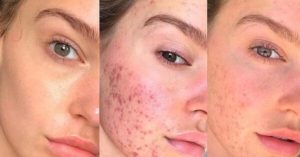
Our skin is more than just a protective shield—it is the largest and heaviest organ of the human body. Like every other organ, it can suffer from diseases that require medical attention. Among these conditions, acne is one of the most common and persistent issues that affect millions worldwide. Acne is not just a cosmetic problem; it is a bacterial and inflammatory condition that can cause discomfort, emotional distress, and long-term scars if left untreated.
In this detailed guide, we will explore what acne is, why it occurs, common myths about acne, factors that worsen it, and proven treatments that dermatologists recommend.
What Exactly Is Acne?
Acne, medically known as acne vulgaris, is a chronic skin disorder primarily involving the sebaceous (oil) glands and hair follicles. It occurs when the pores of your skin become clogged with oil, dead skin cells, and sometimes bacteria. This blockage leads to inflammation, redness, and the formation of pimples, blackheads, whiteheads, and sometimes cysts.
The condition is most commonly found on areas of the skin rich in oil glands—such as the face, chest, shoulders, and back. Acne is characterized by its multifactorial causes, meaning it results from a combination of genetic, hormonal, environmental, and lifestyle factors.
But here is an important truth: acne is not just a teenage problem.
Acne Has No Age Limit – It Can Affect Anyone
One of the most common misconceptions about acne is that it only affects teenagers. While it’s true that acne is most prevalent during puberty, due to hormonal changes, it can also appear in adults—even those who never experienced breakouts in their teenage years.
Statistically, acne affects up to 80% of the global population at some point in their lives. The highest prevalence is seen among adolescents aged 11 to 18 years, as hormonal activity peaks during this time. However, adult-onset acne is becoming increasingly common, especially among women in their late 20s, 30s, and even 40s, often triggered by hormonal fluctuations, stress, and lifestyle factors.
Myth vs. Reality: Acne Is NOT Caused by Dirt
Let’s bust one of the biggest myths right now: pimples do not appear because your skin is dirty. Many people believe that acne is simply a result of poor hygiene, which is absolutely incorrect and often harmful to those struggling with it.
In reality, the true causes of acne are complex and multifactorial. Here are the main contributing factors:
Hormonal Imbalances: Androgens (male hormones present in both men and women) stimulate the sebaceous glands, causing them to produce more oil (sebum). Excessive sebum creates the perfect environment for acne.
Overproduction of Sebum: When your oil glands work overtime, pores can become clogged, trapping bacteria and dead skin cells.
Follicular Hyperkeratinization: This refers to abnormal shedding of skin cells inside the hair follicle, which contributes to clogged pores.
Bacterial Growth: The bacterium Cutibacterium acnes (C. acnes) thrives in clogged pores, leading to infection and inflammation.
Genetics: If your parents had acne, you are more likely to develop it too.
Environmental and lifestyle factors can also worsen the condition, but they are not primary causes.
What About Rosacea? Is It the Same as Acne?
No. While rosacea is sometimes mistaken for acne because it causes redness and bumps on the face, it is a different skin disorder with separate causes. Rosacea is often linked to genetic predisposition, immune system dysfunction, and increased reactivity of blood vessels in the skin.
Unlike acne, rosacea is not caused by clogged pores or bacterial infection. However, both conditions share some triggers, such as stress, diet, and environmental factors like extreme temperatures and sun exposure.
Environmental Triggers That Worsen Acne
While acne is not caused by dirt, certain external factors can aggravate the condition:
Excessive sun exposure (UV radiation)
Pollution and toxins in the environment
Sudden changes in temperature
Cigarette smoke and chemicals
Improper skincare (using harsh or oily products)
A poor diet and lack of proper hydration can also contribute to flare-ups. Consuming too many high-glycemic foods, sugar, dairy products, and processed snacks has been linked to acne severity.
Does Sunlight Cure Acne? The Truth About UV Exposure
Another widespread myth is that sunbathing or tanning can cure acne. While a tan may temporarily mask redness and make pimples less visible, the long-term effects of UV exposure are harmful. Here’s why:
Sun exposure causes blood vessels to dilate, which worsens redness, especially in rosacea patients.
It dries out the skin, which might feel helpful initially, but the skin compensates by producing even more oil later—leading to new breakouts.
UV rays damage skin cells, increasing the risk of hyperpigmentation and scarring in acne-prone areas.
Prolonged sun exposure accelerates skin aging and increases the risk of skin cancer.
In short: the sun does not cure acne—it makes it worse in the long run.
Acne Requires Proper Treatment – Don’t Wait for It to Disappear
Many people hope their acne will simply go away on its own. Unfortunately, this rarely happens without intervention, especially in moderate to severe cases. Waiting too long can lead to permanent scarring, pigmentation issues, and psychological distress.
Effective acne treatment requires a combination of:
Medical Therapy:
Topical treatments: These include retinoids, benzoyl peroxide, salicylic acid, and topical antibiotics.
Oral medications: For severe cases, dermatologists may prescribe oral antibiotics, hormonal therapy (for women), or isotretinoin (Accutane).
Consistent Skincare Routine:
Use gentle cleansers, oil-free moisturizers, and non-comedogenic products.
Avoid scrubbing too hard or using harsh exfoliants, as this can irritate the skin.
Lifestyle Adjustments:
Manage stress through relaxation techniques.
Eat a balanced diet rich in vegetables, omega-3 fatty acids, and whole grains.
Stay hydrated and get enough sleep.
Why Professional Guidance Is Crucial
Acne is not just a cosmetic issue—it is a medical condition that can significantly impact mental health and self-esteem. Many individuals with severe acne experience anxiety, depression, and social withdrawal. Therefore, it’s essential to consult a dermatologist rather than relying on random home remedies or internet hacks.
Final Thoughts
Acne is one of the most common yet misunderstood skin conditions. It affects millions worldwide, regardless of age, gender, or ethnicity. While it cannot always be completely prevented, it can be effectively managed with the right approach.
Remember:
Acne is not caused by dirt.
Sun exposure does not cure acne—it makes it worse.
Early and proper treatment can prevent scarring and restore confidence.
Your skin is the largest organ of your body—treat it with the care it deserves.