












6 Natural Ways to Get Rid of Warts – Backed by Tradition (and a Bit of Science)

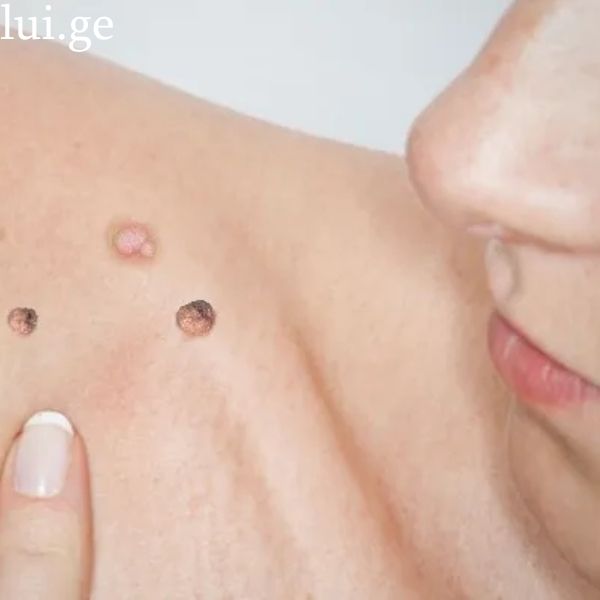
Warts—those pesky little bumps that pop up on your skin at the most inconvenient times. They’re harmless, yes, but that doesn’t make them any less annoying. Caused by the human papillomavirus (HPV), warts can appear anywhere—on your hands, feet, elbows, even your face. Some are small and barely noticeable; others feel like they’ve taken out a long-term lease on your skin.
The good news? While warts often go away on their own, you don’t have to wait months or even years for that to happen. There are natural remedies that people have used for centuries to tackle warts—and surprisingly, some of these old-school methods actually work.
In this guide, we’ll cover:
Why warts happen in the first place
Why some disappear while others stick around
6 natural remedies you can try at home
What science says about them
When to ditch DIY and see a doctor
Let’s dive in.
What Are Warts, Really?
First things first: Warts are non-cancerous skin growths caused by the human papillomavirus. There are more than 100 strains of HPV, and while some cause more serious issues, the ones behind warts are generally harmless.
Here’s how they form:
The virus enters through tiny cuts or breaks in your skin.
It triggers extra cell growth, creating a rough, raised bump.
Warts can spread through skin-to-skin contact or by sharing items like towels or razors.
They’re most common on hands, fingers, knees, and feet (plantar warts), but they can pop up anywhere.
Will They Go Away on Their Own?
Most warts eventually disappear without treatment as your immune system fights the virus. But that can take months or even years—and some warts multiply before they vanish. If you’re tired of waiting (or embarrassed by their location), natural remedies can help speed things up.
Why Consider Natural Remedies?
Modern treatments like cryotherapy (freezing), laser removal, or prescription creams work well—but they can be expensive, painful, or require multiple visits to a dermatologist.
Natural remedies, on the other hand:
Are inexpensive
Can be done at home
Have minimal side effects
Have centuries of anecdotal success
That said, scientific research on most natural wart treatments is limited. Some work through mild irritation, stimulating the immune system; others create a protective barrier or slowly kill infected tissue.
Ready to try them? Here are six natural methods people swear by.
1. Wait It Out – Let Your Immune System Do the Heavy Lifting
Also known as the “watch and wait” approach, this method is exactly what it sounds like: do nothing and let time (and your immune system) do the work.
Why it works:
Warts are viral, and your body’s immune system can eventually clear the infection.
Most warts disappear within 6 months to 2 years without any treatment.
But here’s the catch: If your immune system is weakened (due to stress, illness, or poor lifestyle habits), warts can linger—or even grow.
To boost your body’s defenses:
Eat a balanced diet rich in fruits, vegetables, and whole grains.
Exercise regularly (even 30 minutes of brisk walking helps).
Get enough sleep (7–9 hours).
Manage stress with meditation or deep breathing.
Bottom line: Doing nothing is technically a treatment—but only if you’re patient. If you want faster results, keep reading.
2. Tea Tree Oil – Nature’s Antimicrobial Powerhouse
Tea tree oil is famous for its antifungal and antibacterial properties, and some small studies suggest it may help with warts, too.
How it works:
Tea tree oil contains terpinen-4-ol, which has antiviral effects.
It may irritate the skin just enough to trigger an immune response, helping fight the virus.
How to use it:
Clean the wart and surrounding skin.
Apply 1–2 drops of tea tree oil directly on the wart.
Cover with a bandage.
Repeat daily.
Important tips:
Always do a patch test first—tea tree oil can cause irritation or allergic reactions.
Never swallow tea tree oil—it’s toxic if ingested.
Evidence:
One case report found that a 12-year-old boy’s warts cleared after 12 days of daily tea tree oil application.
But large-scale studies are lacking, so results may vary.
3. Apple Cider Vinegar – The Old-School Favorite
Apple cider vinegar (ACV) is one of the most popular home remedies for warts. The theory is simple: its acetic acid content slowly burns away the infected skin, much like salicylic acid does in over-the-counter treatments.
How to use it:
Soak a cotton ball in ACV.
Apply it to the wart and secure it with tape or a bandage.
Leave it on overnight.
Repeat daily until the wart darkens and falls off (usually in 1–2 weeks).
Warnings:
ACV is acidic and can cause burning, stinging, or skin irritation.
Never use undiluted ACV on your face—it can cause scars.
If it becomes too painful, stop immediately.
Evidence:
No large clinical trials, but countless anecdotal success stories.
Works best on small, fresh warts.
4. Duct Tape – Surprisingly Effective
It sounds bizarre, but duct tape therapy is a legit folk remedy—and even some dermatologists recommend it.
How it works:
Duct tape covers the wart, cutting off oxygen and irritating the skin.
The irritation may activate the immune system to attack the virus.
How to use it:
Cut a small piece of duct tape to cover the wart.
Leave it on for 6 days, then remove it.
Soak the wart in warm water and gently file with an emery board or pumice stone.
Repeat until the wart disappears (usually 4–6 weeks).
Evidence:
A 2002 study found duct tape was more effective than cryotherapy for some warts.
Later studies had mixed results, but many people swear by it.
5. Clear Nail Polish – Starve the Wart of Oxygen
This is one of the simplest tricks out there: coat the wart with clear nail polish.
Why it might work:
The polish creates an airtight seal, suffocating the wart and killing infected cells.
It also protects the wart from spreading.
How to use it:
Apply a thin layer of clear polish over the wart.
Reapply daily, removing the old layer before adding a new one.
Continue until the wart is gone (usually a few weeks).
Evidence:
No scientific studies confirm this method.
Still, it’s cheap, easy, and harmless—worth a try.
6. Salicylic Acid – Nature-Inspired but Powerful
Okay, this one isn’t strictly “natural,” but it’s derived from willow bark, so it counts as semi-natural. Salicylic acid is the most common over-the-counter wart treatment—and for good reason.
How it works:
It softens and dissolves the layers of skin infected with HPV.
Over time, the wart peels away completely.
How to use it:
Soak the wart in warm water for 5 minutes.
Apply salicylic acid gel, lotion, or medicated pads.
Repeat daily for up to 12 weeks.
Warnings:
Stronger concentrations for warts (10–40%) are not for facial use.
Avoid on broken skin.
Evidence:
Decades of research confirm salicylic acid works better than most natural remedies.
Combining it with duct tape may boost results.
Does Diet Help Remove Warts?
Indirectly, yes. Since warts are caused by a virus, your immune system plays a huge role. Eating foods rich in:
Vitamin C (citrus, berries, bell peppers)
Zinc (pumpkin seeds, chickpeas)
Probiotics (yogurt, kefir)
can help strengthen your immune defense.
When to See a Doctor
Natural remedies are great for small, simple warts, but seek medical help if:
The wart spreads quickly or multiplies.
It becomes painful, inflamed, or bleeds.
You have diabetes, poor circulation, or a weakened immune system.
The wart is on your face or genitals.
The Bottom Line
Warts may be harmless, but they’re stubborn. The good news? With a little patience and some kitchen cupboard magic—like tea tree oil, apple cider vinegar, duct tape, or even clear nail polish—you might be able to kick them to the curb naturally.
And if all else fails, don’t hesitate to call in the pros. Your skin will thank you.