















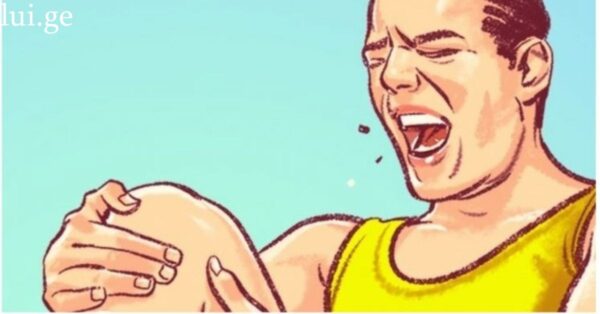
Blocked Arteries: The Silent Threat You Can’t Ignore – Signs, Risks, and What You Can Do About It
When most people think about blocked arteries, they imagine an older person, perhaps in their 60s or 70s, with a lifetime of bad habits catching up. But here’s a reality check: arterial plaque buildup can start as early as your 20s. That’s right—long before your first wrinkle appears, your arteries may already be on the road to narrowing.
The scary part? Many people have no idea what’s happening inside their blood vessels until it’s too late—when a heart attack or stroke strikes. That’s why recognizing the early warning signs is absolutely critical. If you catch the symptoms and address the risk factors in time, you could add decades of healthy life.
This article dives deep into:
Why blocked arteries happen
The most overlooked symptoms
Risk factors you need to know
Practical steps to prevent and reverse the damage
Let’s start by understanding what blocked arteries really are.
What Does “Blocked Arteries” Really Mean?
Blocked arteries, also known as atherosclerosis, occur when fatty deposits (plaque) build up inside the arterial walls. Over time, these deposits harden and narrow the arteries, restricting blood flow. Since arteries carry oxygen-rich blood to organs and tissues, any obstruction can be dangerous.
If the blockage happens in:
Coronary arteries → It affects the heart → Can lead to angina or heart attack.
Carotid arteries → It affects blood flow to the brain → Can cause stroke.
Peripheral arteries → It affects limbs → Can lead to pain, ulcers, or even limb loss.
Renal arteries → It affects kidneys → Can cause renal failure.
What makes it deadly is that atherosclerosis often develops silently over decades. You might feel perfectly fine—until you don’t.
Why Does It Happen So Young?
We live in a world of fast food, stress, and screens. That combo creates a perfect storm for arterial damage. Key contributors include:
High LDL cholesterol (the “bad” cholesterol)
Smoking
High blood pressure
Diabetes
Chronic inflammation
Poor diet (processed, high-sugar, trans fats)
Sedentary lifestyle
Even genetics play a role—if heart disease runs in your family, your risk is higher.
But here’s the good news: you can prevent or slow down blocked arteries, and it starts with awareness. Let’s uncover the symptoms you should never ignore.
8 Warning Signs of Blocked Arteries
1. Pain in the Hips or Thighs
If you feel pain in your legs while walking or climbing stairs, it might not be just fatigue—it could be a sign of peripheral artery disease (PAD). When arteries in the legs narrow, your muscles don’t get enough oxygen, leading to cramps, pain, or heaviness.
The location of pain often hints at the blockage site:
Thigh pain → Blockage in the femoral artery
Calf pain → Narrowing below the knee
Ignoring it can lead to ulcers or even gangrene.
2. Chest Pain (Angina)
Chest pain is a classic red flag for blocked coronary arteries. It often feels like:
Pressure or squeezing
Burning sensation
Heaviness in the chest
Typically, it happens during physical exertion or emotional stress and goes away with rest. If it persists, it could mean a heart attack is imminent.
3. Temporary Vision Loss on One Side
Imagine suddenly losing vision in one eye—or having blurry vision on one side for a few seconds or minutes. This could mean your carotid artery is partially blocked, reducing blood flow to your eye and brain. Doctors call this a transient ischemic attack (TIA), or mini-stroke.
Don’t ignore it—a full stroke may be next.
4. Lower Back Pain
Surprised? Lower back pain can be an early warning sign of blocked arteries. When blood flow to the spine decreases, the discs between vertebrae degenerate faster, causing nerve pain. Most people dismiss it as posture-related, but in some cases, it’s a vascular problem.
5. Shortness of Breath
Feeling winded after minimal effort could mean your heart isn’t getting enough oxygen because of blocked coronary arteries. One study showed many people underestimate this symptom—sometimes it’s the only sign before a heart attack.
6. Cold Hands and Feet
Constantly cold hands or feet might signal poor circulation caused by narrowed peripheral arteries. Other signs include:
Slow-healing wounds on legs or feet
Weak or absent pulse in legs
This condition isn’t just about discomfort—it’s a sign of systemic artery disease, meaning your heart and brain might also be at risk.
7. Fatigue
Feeling exhausted all the time? While fatigue has many causes, it can also indicate poor blood flow and reduced oxygen delivery to tissues. Research shows this symptom is more common in women with coronary artery disease than men.
8. Dizziness or Lightheadedness
Blocked arteries reduce oxygen supply to the brain, causing dizziness. If combined with other symptoms (vision issues, weakness, numbness), it may point to serious vascular problems.
Why These Symptoms Are Often Missed
The tricky part is that these signs are subtle and non-specific. Lower back pain? Must be bad posture. Fatigue? Probably stress. Shortness of breath? Out of shape. That’s why so many people ignore early warnings—until a major event happens.
Who’s at Risk?
If you have any of the following, your risk skyrockets:
Family history of heart disease or stroke
Smoking (even socially)
High blood pressure
High cholesterol
Diabetes
Obesity
Sedentary lifestyle
Chronic stress
Even young adults aren’t safe. Studies show that fatty streaks—the earliest stage of atherosclerosis—can appear in teenagers who eat poorly or smoke.
What Happens If You Ignore Blocked Arteries?
If untreated, blocked arteries can lead to:
Heart attack
Stroke
Kidney failure
Limb amputation
Sudden death
Scary? Yes. But here’s the hopeful part—you can reverse some damage and prevent progression.
How to Prevent or Reverse Blocked Arteries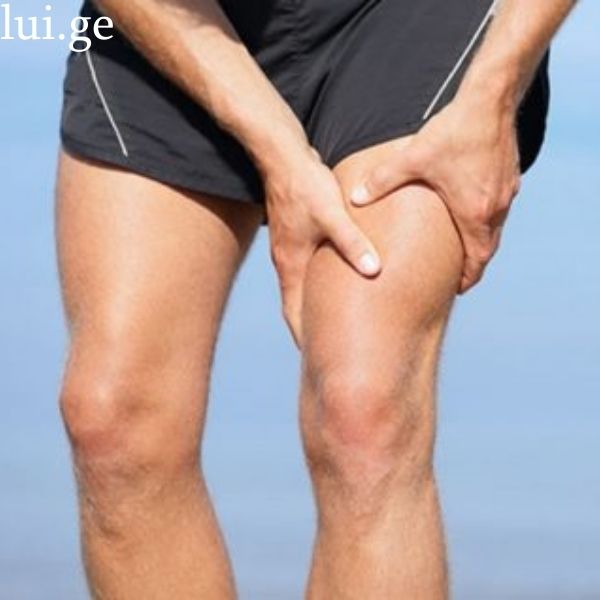
Modern medicine offers medications and surgeries, but lifestyle changes are the real game-changer. Here’s what experts recommend:
1. Eat an Artery-Friendly Diet
Increase: Fruits, vegetables, whole grains, nuts, fatty fish (omega-3)
Avoid: Trans fats, processed meats, sugary drinks
Consider: Olive oil, avocado, berries, green tea (rich in antioxidants)
2. Move Your Body
Exercise improves blood flow, reduces blood pressure, and helps maintain healthy cholesterol levels.
Aim for 150 minutes of moderate activity weekly (like brisk walking).
Include strength training twice a week.
3. Quit Smoking
Smoking damages artery walls and accelerates plaque buildup. Quitting immediately lowers your risk.
4. Manage Stress
Chronic stress triggers inflammation and hormonal changes that harm arteries. Try:
Meditation
Deep breathing
Nature walks
Journaling
5. Keep Cholesterol and Blood Pressure in Check
Regular screenings can catch problems early. If needed, medications like statins can help.
6. Maintain a Healthy Weight
Even losing 5-10% of your weight can significantly improve arterial health.
What About Natural Remedies?
Some people turn to garlic, turmeric, ginger, and green tea for heart health. While these won’t unclog arteries overnight, they provide antioxidants and anti-inflammatory compounds that may help over time. But don’t rely on them as a substitute for lifestyle changes and medical care.
The Bottom Line
Blocked arteries are a silent killer, but they don’t have to be your fate. By recognizing early signs—leg pain, chest discomfort, vision changes, back pain, shortness of breath, cold extremities, fatigue, dizziness—and addressing risk factors, you can protect your heart, brain, and life.
Don’t wait for a heart attack to start caring about your arteries. Start today—your future self will thank you.








































