








The Dark Side of Herbal Medicine: What Folk Healers Won’t Tell You
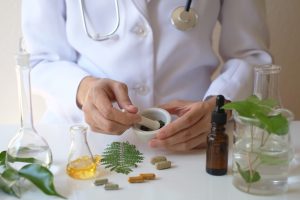
For centuries, herbal medicine has been celebrated as nature’s pharmacy—a safe, holistic alternative to synthetic drugs. Grandmothers, folk healers, and herbalists have passed down recipes that claim to heal everything from headaches to heart problems. Today, herbal remedies are making a massive comeback, fueled by the wellness industry and a growing distrust of big pharma.
But here’s the uncomfortable truth: not all herbs are safe. Some can interact dangerously with prescription drugs, cause severe side effects, or even lead to death when misused. Folk healers rarely talk about these risks—partly because the traditional approach assumes deep knowledge and caution that modern consumers may not have.
This doesn’t mean herbal medicine is bad. In fact, many herbs have proven health benefits, and some even form the basis for life-saving drugs. But just like pharmaceuticals, herbs can harm if misused.
So, let’s peel back the curtain and explore the dark side of herbal medicine—the risks, myths, and what folk healers often leave out.
The Illusion of Safety: Why “Natural” Isn’t Always Harmless
One of the biggest misconceptions about herbal medicine is the idea that natural equals safe. It sounds logical—plants are part of nature, so they must be good for us, right?
Unfortunately, nature is full of toxins:
Hemlock is natural—and deadly.
Foxglove is natural—and it can stop your heart.
Poison ivy? Completely natural, but you wouldn’t rub it on your skin.
Even common culinary herbs can be dangerous in high doses. Nutmeg, for example, can cause hallucinations and organ failure if consumed excessively.
The problem with herbal remedies is that they often lack:
Standardized doses – Two cups of the same herbal tea can vary wildly in potency.
Quality control – Contamination with heavy metals or pesticides is common in poorly sourced herbs.
Regulation – Unlike prescription drugs, most herbal products aren’t rigorously tested before hitting the market.
The Hidden Risks of Popular Herbs
Here are some commonly used herbs and the hidden dangers folk healers often forget to mention:
1. St. John’s Wort – The Depression Herb with Dangerous Interactions
Why People Love It:
Touted as a natural antidepressant, St. John’s Wort is one of the most widely used herbal supplements for mood disorders.
The Dark Side:
Interferes with antidepressants, birth control pills, blood thinners, and HIV medications.
Can cause serotonin syndrome (a life-threatening condition) when combined with certain drugs.
Increases sensitivity to sunlight, leading to severe burns.
What Folk Healers Won’t Tell You:
“Just take it for sadness” is oversimplified. Without proper guidance, you could end up with a severe drug interaction.
2. Ginkgo Biloba – The Memory Booster That Can Cause Bleeding
Why People Love It:
Promoted for memory enhancement and brain health, ginkgo is a favorite among those worried about cognitive decline.
The Dark Side:
Increases bleeding risk, especially when combined with aspirin, warfarin, or other blood thinners.
Can trigger seizures in people with epilepsy.
May cause severe headaches, nausea, and dizziness.
What Folk Healers Won’t Tell You:
Taking ginkgo before surgery could lead to uncontrolled bleeding.
3. Kava – The Relaxation Herb That Can Destroy Your Liver
Why People Love It:
Kava is marketed as a natural stress-reliever and sleep aid.
The Dark Side:
Linked to serious liver damage, even in short-term use.
Can cause drowsiness, leading to accidents when driving or operating machinery.
May worsen depression in some individuals.
What Folk Healers Won’t Tell You:
Your “calming tea” might cost you your liver.
4. Comfrey – The Healing Plant That’s Toxic Inside
Why People Love It:
Traditionally used to heal wounds and soothe inflammation.
The Dark Side:
Contains pyrrolizidine alkaloids, which can cause irreversible liver damage.
Banned in many countries for internal use.
What Folk Healers Won’t Tell You:
Comfrey is great for external compresses—but drinking comfrey tea is like sipping poison.
5. Ephedra – The Weight Loss Herb That Can Stop Your Heart
Why People Love It:
Once a popular ingredient in weight-loss and energy supplements.
The Dark Side:
Increases blood pressure and heart rate.
Linked to heart attacks, strokes, and sudden death.
Banned by the FDA for dietary supplements—but still found in some products online.
What Folk Healers Won’t Tell You:
Your “natural energy booster” could literally kill you.
The Problem of Misinformation in Folk Medicine
Folk healers are often well-meaning, but many traditional recipes were created in a different era, when:
People weren’t taking multiple prescription drugs.
There was no knowledge of drug-herb interactions.
Lifespans were shorter, so long-term side effects weren’t observed.
Today, mixing herbs with modern medicine can create toxic combinations. Yet, advice like “It’s just a plant—take as much as you need” persists.
The Role of the Herbal Supplement Industry
Here’s another truth folk healers rarely discuss: the supplement industry is a multi-billion-dollar business, and not all brands are ethical. Common issues include:
Contamination with heavy metals like lead or arsenic.
Substitution with cheaper plants, some of which are toxic.
No proper labeling—you may not even know the actual dose.
A 2015 study found that many herbal supplements on store shelves contained little to none of the advertised ingredient. Instead, they had fillers, allergens, and unknown substances.
Herbal Medicine Myths That Can Hurt You
Let’s bust a few dangerous myths:
Myth #1: If it’s natural, it can’t hurt you.
False. Some of the most lethal poisons on Earth come from plants.
Myth #2: More is better.
False. Herbal overdoses can be as deadly as drug overdoses.
Myth #3: Herbs don’t interact with medications.
False. Many herbs affect liver enzymes that metabolize drugs, leading to dangerous interactions.
Myth #4: Traditional means safe.
False. Many traditional remedies were developed without knowledge of toxicity or dosage.
Safe Use: How to Protect Yourself
If you still want to use herbal remedies (and many are beneficial when used wisely), follow these steps:
✅ 1. Do Your Research
Look for clinical studies, not just blog posts or anecdotal claims.
✅ 2. Tell Your Doctor
Always inform your doctor about every supplement or herb you take, especially before surgery or starting new medication.
✅ 3. Start Low, Go Slow
Begin with the lowest effective dose, and never exceed recommended amounts.
✅ 4. Watch for Red Flags
Stop immediately if you experience rash, nausea, jaundice, heart palpitations, or breathing difficulties.
✅ 5. Buy from Trusted Brands
Look for third-party testing and USP certification to ensure purity and dosage accuracy.
When to Skip Herbs Completely
If you’re pregnant or breastfeeding
Before surgery (due to bleeding risks)
If you’re taking multiple medications
If you have liver or kidney problems
The Future: Regulation and Education
The solution isn’t abandoning herbal medicine—it’s integrating it safely into modern healthcare. Experts are calling for:
Stricter regulations on supplements
Better consumer education
Collaboration between herbalists and medical professionals
Conclusion: Nature Heals, But It Can Also Harm
Herbal medicine is neither a miracle cure nor a death sentence. It’s a powerful tool that demands respect. Folk healers may not tell you about the risks because traditional knowledge assumed responsible, knowledgeable use—something many people lack today.
Before you brew that mystery tea or swallow a handful of herbal capsules, remember this:
Nature is powerful. Use it wisely.
Talk to your doctor before combining herbs with medications.
Research, verify, and respect dosage.
Because sometimes, what folk healers don’t tell you can be the difference between healing and harm.