







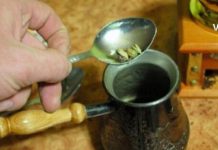








How to Brew Tea for Maximum Health Benefits – 4 Powerful Variations

Tea is more than just a comforting beverage—it’s a centuries-old tradition, a wellness elixir, and a source of powerful antioxidants. While most people enjoy tea simply for its taste and warmth, few realize that when brewed correctly, tea can offer incredible health benefits.
In this article, we’ll explore:
Why tea is considered a health-promoting drink
How tea supports heart health and gut health
Four powerful tea variations with specific benefits
Tips for brewing tea to maximize its healing properties
Why Tea is More Than Just a Beverage
Tea, whether black, green, white, or herbal, is generally considered:
Safe and non-caloric (when consumed without sugar or high-calorie additives)
Low in sodium
Rich in active compounds, especially polyphenols, which are natural antioxidants.
Polyphenols protect the body against oxidative stress by neutralizing free radicals, which damage cells and contribute to aging, inflammation, and chronic diseases.
Tea and Heart Health
Numerous international studies have shown that regular tea consumption can lower the risk of cardiovascular diseases. One of the most common heart issues is ischemic heart disease (also known as coronary artery disease), which occurs when arteries supplying blood to the heart become narrowed or completely blocked.
The main culprits behind this condition are:
Cholesterol deposits (plaques) in arteries
Inflammation inside blood vessels
By improving vascular health and reducing inflammation, tea helps maintain proper blood flow and reduces the likelihood of arterial blockages.
Tea and Gut Microbiome
Did you know that your gut is home to trillions of microorganisms? Some are friendly and help with digestion and immunity, while others produce harmful substances that can lead to chronic inflammation and even carcinogenesis (cancer development).
Tea polyphenols help maintain a healthy gut by:
Reducing harmful bacteria (such as some strains of Enterobacteria)
Promoting beneficial bacteria like Lactobacillus and Bifidobacterium
This microbial balance is crucial for immune function, digestion, and overall well-being. In simple terms: drinking tea helps replace harmful bacteria with good ones—an incredible bonus beyond hydration.
Four Herbal Tea Variations and Their Benefits
Apart from traditional black or green tea, herbal teas made from spices and medicinal plants offer targeted health benefits. Below are four powerful options you can easily prepare at home.
1. Clove Tea – For Stress Relief and Respiratory Health
Benefits:
Relieves headaches and tension
Improves breathing and clears nasal passages
Calms the nervous system, reducing anxiety
Best Time to Drink:
Evening, after a long and stressful day—because it helps the body relax and unwind.
How to Prepare:
Add 4–5 whole cloves to 1 cup of boiling water
Let it steep for 10–15 minutes
Optional: Add a pinch of cinnamon or a teaspoon of honey for extra flavor
2. Thyme Tea (Cabrage) – For Digestion and Stomach Comfort
Benefits:
Supports healthy digestion
Reduces bloating and stomach discomfort
Helps normalize the digestive process after heavy meals
Best Time to Drink:
Right after meals to ease digestion.
How to Prepare:
Take 1 teaspoon of dried thyme
Pour 1 cup of boiling water
Steep for 8–10 minutes
Strain and drink warm
3. Ginger Tea – For Immunity and Energy
Benefits:
Boosts immune system
Helps fight colds and flu
Speeds up recovery during illness
Provides a natural warming effect in cold weather
Best Time to Drink:
During cold seasons
After long outdoor walks
When feeling the first signs of a cold
How to Prepare:
Slice 3–4 thin pieces of fresh ginger root
Add to 1 cup of boiling water
Simmer for 5–7 minutes
Add honey and lemon for extra healing power
4. Cinnamon Tea – For Blood Sugar Control
Benefits:
Helps stabilize blood sugar levels
Adds a sweet, warming flavor without extra calories
Ideal for people who want to reduce sugar cravings
Best Time to Drink:
With desserts or snacks—because it helps counterbalance blood sugar spikes.
How to Prepare:
Add 1 cinnamon stick (or ½ teaspoon of cinnamon powder) to 1 cup of boiling water
Steep for 10 minutes
Optional: Mix with green or black tea for a stronger flavor
General Tips for Brewing Tea Correctly
To maximize health benefits, follow these tips:
Avoid boiling the tea leaves for too long, as it can destroy delicate antioxidants
Cover your cup while steeping to prevent essential oils from evaporating
Use fresh, filtered water
Drink without excessive sugar or sweeteners
Consume warm, not boiling hot, to protect your throat and stomach lining
Why Herbal Teas Are Powerful
Unlike traditional teas, herbal teas like clove, thyme, ginger, and cinnamon are often considered functional beverages. They provide not only hydration but also specific therapeutic properties, such as:
Anti-inflammatory effects
Antibacterial and antiviral action
Immune system enhancement
Digestive support
Final Thoughts
Tea is more than a beverage—it’s a natural wellness booster. When prepared correctly and enjoyed regularly, tea can:
Support heart health
Strengthen immunity
Improve digestion
Promote mental relaxation
By experimenting with herbal variations like clove, thyme, ginger, and cinnamon tea, you can turn a simple daily ritual into a powerful act of self-care.
So next time you reach for your teacup, remember:
You’re not just drinking tea—you’re drinking health.