










How to Get Rid of Bunions Naturally: Folk Remedies That Work
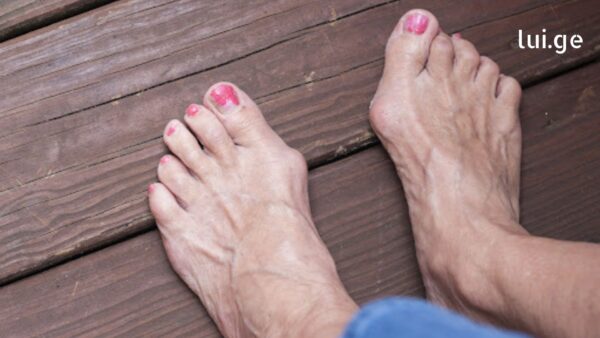
Bunions, medically known as hallux valgus, are a common yet often underestimated problem. At first glance, it might seem like nothing more than a cosmetic defect—a bony bump on the side of the big toe. However, this condition is far more serious than it appears. Bunions can cause significant discomfort, pain, inflammation, and even impact your mobility if left untreated.
The good news? You don’t necessarily have to rush into surgery. While severe cases may require medical intervention, natural remedies and traditional folk methods can help alleviate the pain, reduce inflammation, and, in some cases, even slow or reverse the progression of bunions.
This guide will explain what bunions are, why they form, and—most importantly—how you can use safe, natural solutions to manage them effectively. If you’re looking for relief without invasive procedures, you’ve come to the right place.
What Are Bunions and Why Do They Occur?
A bunion is essentially a bony protrusion at the base of the big toe, caused by misalignment of the joint. Over time, the toe shifts inward toward the other toes, while the bone at the joint sticks out. This misalignment can be influenced by:
Genetics – If bunions run in your family, you have a higher risk.
Improper footwear – High heels or narrow shoes that squeeze the toes.
Arthritis – Joint conditions can accelerate bunion formation.
Foot structure – Flat feet or abnormal bone structure contribute to risk.
As the bunion develops, pain and swelling become common. Eventually, walking may become uncomfortable or even painful. This is why early intervention matters.
Why Choose Natural Remedies?
Conventional treatments often include:
Wearing special shoes or splints
Taking painkillers or anti-inflammatory drugs
Surgery in severe cases
While these approaches can be effective, they also have drawbacks:
Medications can cause side effects.
Surgery involves recovery time and cost.
Not everyone wants an invasive solution.
Natural remedies, on the other hand, focus on:
Reducing inflammation
Relieving pain
Supporting joint health
Improving flexibility
Plus, they can be done at home, are cost-effective, and have minimal risk.
Powerful Natural Ingredients for Bunion Relief
If you want to reduce bunion size, soothe pain, and prevent worsening, look for ingredients with anti-inflammatory and analgesic properties. The following are some of the most effective natural solutions:
1. Turmeric – The Golden Healer
Turmeric is often called a “superfood”, and for good reason. It’s packed with curcumin, a compound with strong anti-inflammatory, antioxidant, and pain-relieving properties.
How Does It Help with Bunions?
Reduces swelling and inflammation around the joint
Alleviates pain naturally
Protects tissues from oxidative stress
Ways to Use Turmeric:
A) Topical Paste
Mix turmeric powder with water, natural oil (like coconut or olive oil), or aloe vera gel.
Apply the paste directly to the bunion area.
Leave it on for 20–30 minutes, then rinse.
B) Internal Use
Add turmeric to your meals—soups, smoothies, or teas.
Combine turmeric with olive oil and black pepper. (Black pepper contains piperine, which enhances turmeric absorption by up to 2000%.)
Drink turmeric milk (golden milk) for overall anti-inflammatory benefits.
2. Lavender Essential Oil – The Soothing Agent
Lavender oil is widely celebrated for its calming, anti-inflammatory, and analgesic effects. For bunions, it serves a dual purpose:
Eases pain and swelling in the joint
Promotes relaxation and better sleep
How to Use Lavender Oil:
Apply a few drops of lavender essential oil directly to the bunion.
For best results, mix it with a carrier oil like almond, coconut, or olive oil.
Massage the affected area gently for 10–15 minutes.
Bonus Benefit: Lavender oil aromatherapy can help reduce stress and improve sleep quality—great for overall health.
3. Calendula (Marigold) – Nature’s Anti-Inflammatory Herb
Calendula is known for its potent anti-inflammatory and healing properties. It’s often used for skin irritations, but it can also work wonders on bunions.
How to use:
Make a calendula ointment or salve and apply it to the bunion.
Alternatively, soak your feet in warm water infused with calendula flowers for soothing relief.
Additional Folk Remedies for Bunion Relief
Aside from turmeric, lavender, and calendula, here are a few more simple methods to try:
Foot Soaks with Epsom Salt
Add 1–2 tablespoons of Epsom salt to a basin of warm water.
Soak your feet for 15–20 minutes.
This reduces swelling, relaxes muscles, and eases discomfort.
Ice Compress
Wrap ice cubes in a soft cloth.
Apply to the bunion area for 10–15 minutes to numb pain and reduce inflammation.
Proper Footwear and Splints
Switch to wide-toed shoes to prevent further misalignment.
Use orthotic pads or bunion correctors at night for added support.
Gentle Exercises
Strengthen foot muscles and improve flexibility:
Toe stretches – Pull your big toe forward and hold for 10 seconds.
Ball roll – Roll a tennis ball under your foot for 2–3 minutes.
Step-by-Step DIY Natural Treatment Routine
Here’s how you can combine these remedies into a simple daily routine for best results:
Morning
Drink warm water with turmeric and black pepper (or turmeric tea).
Wear comfortable, wide shoes.
Afternoon
Apply a turmeric paste or lavender oil massage to the bunion area.
Do gentle toe exercises.
Evening
Soak your feet in warm water with Epsom salt and a few drops of lavender oil.
Apply calendula cream or turmeric paste before bed.
Follow this for 4–6 weeks, and you’ll notice:
Reduced swelling
Less pain
Improved comfort when walking
Why These Remedies Work
Bunions are primarily caused by inflammation and pressure on the joint. The herbs and oils recommended here have properties that:
Reduce inflammation (turmeric, calendula, lavender)
Improve circulation (lavender massage, warm soaks)
Relieve pain naturally without synthetic drugs
Support joint health and prevent further progression
Important Tips and Warnings
These remedies work best for early to moderate bunions. Severe cases may require medical treatment.
Always do a patch test before applying essential oils to avoid allergic reactions.
Combine natural remedies with proper footwear and foot care for best results.
If pain persists or worsens, consult a healthcare professional.
Final Thoughts
Bunions are more than a cosmetic issue—they can affect your mobility and quality of life. Thankfully, you don’t have to suffer silently or rush into surgery. Nature provides powerful solutions that can help you manage bunions effectively and safely at home.
By incorporating turmeric, lavender oil, calendula, and other natural remedies into your daily routine, you can:
Reduce pain and inflammation
Slow the progression of bunions
Improve your foot health and comfort
Remember, consistency is key. Combine these methods with lifestyle changes, and you’ll be saying goodbye to bunion discomfort for good.