




How to Lower High Blood Pressure Naturally: 4 Effective and Fast Methods
High blood pressure (also known as hypertension) is one of the most common chronic health conditions worldwide. According to the World Health Organization, nearly 1.3 billion adults globally suffer from elevated blood pressure, and unfortunately, many are unaware of their condition until it becomes severe. Hypertension is often called the “silent killer” because it may not show obvious symptoms until it leads to serious complications like heart attacks, strokes, or kidney failure.
Before we dive into practical and quick ways to reduce blood pressure at home, let’s understand what causes high blood pressure, its symptoms, and why it is so important to manage it effectively.
What Causes High Blood Pressure?
The exact formation of hypertension is not fully understood, but medical research points to a combination of genetic predisposition and lifestyle factors. These include:
Excess body weight – Being overweight or obese increases the strain on your heart and blood vessels.
Chronic stress – Emotional tension and prolonged stress lead to hormonal imbalances that raise blood pressure.
High salt intake – Sodium retains water in the body, increasing blood volume and thus pressure.
Alcohol consumption – Excessive drinking negatively affects blood vessels and heart function.
Smoking – Nicotine constricts blood vessels and increases blood pressure immediately after use.
Diabetes – High blood sugar damages blood vessels, contributing to hypertension.
High cholesterol – Plaque build-up narrows arteries, making it harder for blood to flow.
Note: While genetics play a role, lifestyle changes have a significant impact on blood pressure control.
Common Symptoms of High Blood Pressure
One of the dangers of hypertension is that it often has no symptoms at all in the early stages. However, when blood pressure rises significantly, you may experience:
Persistent headaches
Ringing in the ears or buzzing sounds
Dizziness or lightheadedness
General weakness or fatigue
Heart palpitations
Shortness of breath
Blurred vision
Sleepiness or drowsiness
Numbness in hands or feet
Nosebleeds (less common, but possible)
Ignoring these signs can lead to life-threatening events. Long-term uncontrolled blood pressure significantly increases the risk of stroke, heart attack, heart failure, kidney disease, and vision problems.
What Do Blood Pressure Numbers Mean?
When you measure blood pressure, you get two numbers, for example: 120/80 mmHg. Here is what these numbers indicate:
First number (systolic pressure) – This is the pressure in your arteries when your heart contracts and pumps blood.
Second number (diastolic pressure) – This is the pressure when the heart relaxes between beats.
A normal reading is usually around 120/80 mmHg. Anything consistently above 140/90 mmHg is considered high. Severe hypertension can reach 180/120 mmHg, which is a medical emergency.
Why Is It Important to Lower Blood Pressure Quickly?
While long-term management involves lifestyle changes and sometimes medication, there are situations where you need fast, safe ways to bring blood pressure down at home—for example, when you feel dizzy, your head is pounding, or stress causes a sudden spike. However, if your blood pressure is dangerously high (above 180/120 mmHg), seek immediate medical help instead of relying solely on home remedies.
4 Natural and Effective Ways to Lower Blood Pressure Quickly
Below are simple, evidence-based techniques you can try at home to reduce blood pressure without medication. These methods work by relaxing blood vessels, improving circulation, and reducing stress.
1. Deep Breathing and Relaxation Techniques
Stress is one of the main triggers of sudden blood pressure spikes. Practicing deep, slow breathing helps calm the nervous system, reduce stress hormones like cortisol, and improve oxygen flow.
How to do it:
Sit in a comfortable position and close your eyes.
Place one hand on your abdomen to feel your breathing.
Inhale deeply through your nose for a count of five seconds, allowing your stomach to expand.
Exhale slowly through your mouth for another five seconds.
Repeat this breathing cycle for 3–5 minutes.
This activates the parasympathetic nervous system, which lowers heart rate and dilates blood vessels, helping reduce blood pressure naturally.
Pro tip: Combine deep breathing with positive visualization—imagine yourself in a calm, peaceful place.
2. Warm Hand and Foot Bath
Soaking your hands and feet in warm water is a surprisingly effective way to reduce blood pressure quickly. Warm water dilates blood vessels in your extremities, improving circulation and reducing the pressure inside your arteries.
How to do it:
Fill a basin with water heated to about 45°C (113°F)—warm but not scalding.
Place your hands or feet in the water and soak for 10–15 minutes.
Breathe deeply and relax during the process.
This method works because as blood flows more easily to the limbs, it relieves strain on the heart and lowers systemic blood pressure.
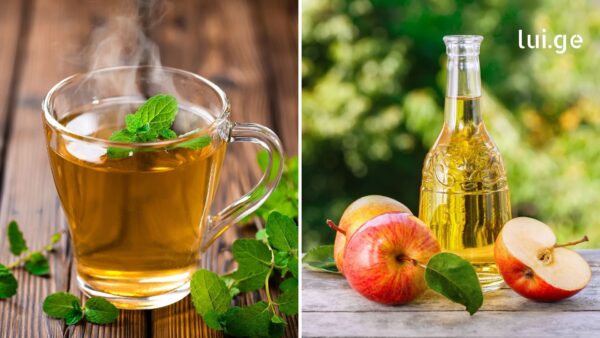
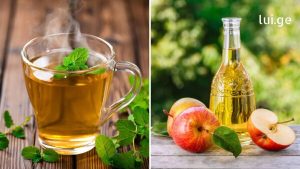
3. Drink Warm Peppermint Tea
Peppermint has mild vasodilating properties, meaning it helps relax blood vessels. Drinking warm herbal tea also has a soothing effect on the nervous system.
How to prepare:
Take a handful of fresh or dried peppermint leaves.
Pour boiling water over them and steep for 10 minutes.
Let it cool slightly and drink slowly.
This remedy not only helps reduce blood pressure but also promotes relaxation, making it ideal during stressful situations.
4. Apple Cider Vinegar Compress and Drink
Apple cider vinegar (ACV) contains beneficial compounds that may help regulate blood pressure. While scientific evidence is limited, many people report a mild reduction in blood pressure after using ACV, likely due to its effect on improving blood circulation and aiding electrolyte balance.
Two ways to use ACV:
External compress:
Soak a clean cloth or gauze in diluted apple cider vinegar (3–9%).
Apply it to the soles of your feet for 10–15 minutes.
Internal use:
Mix 1 teaspoon of ACV in a glass of water and drink it slowly.
Important note: Always dilute apple cider vinegar before drinking, as undiluted ACV can harm tooth enamel and irritate the throat.
Additional Quick Tips for Lowering Blood Pressure
Apart from the four main methods above, here are extra strategies you can incorporate for better results:
Reduce salt intake immediately – Avoid salty snacks and processed foods.
Drink plenty of water – Staying hydrated helps blood flow more smoothly.
Eat potassium-rich foods – Bananas, spinach, and avocados balance sodium levels.
Stretch and move – A short walk or gentle yoga helps relieve tension.
Turn off stress triggers – Step away from screens, listen to calming music, or meditate.
When to Seek Medical Help
Home remedies are helpful for mild and occasional spikes in blood pressure, but they are not a substitute for professional treatment if you have chronic hypertension. You should consult a doctor if:
Your blood pressure consistently measures above 140/90 mmHg.
You experience chest pain, severe headache, or shortness of breath.
You notice swelling in the legs, blurred vision, or confusion.
Your reading is 180/120 mmHg or higher—this is a hypertensive crisis.
Doctors may prescribe lifestyle changes, medication, or further diagnostic tests to rule out underlying conditions.
The Bottom Line
Managing high blood pressure is not just about avoiding symptoms—it is about protecting your heart, brain, and kidneys for the long term. The four methods we discussed—deep breathing, warm baths, peppermint tea, and apple cider vinegar—are quick, simple, and natural ways to help lower blood pressure safely at home.
However, the best approach combines these techniques with healthy daily habits:
Balanced diet low in salt and sugar
Regular physical activity
Adequate sleep
Stress management techniques
Limiting alcohol and quitting smoking
Your heart will thank you for every positive change you make today.
Remember: Your health is in your hands—literally, in the case of that warm water bath! A few minutes of self-care can make a significant difference in your blood pressure and overall well-being.