








A Simple and Affordable Way to Cleanse the Colon Naturally

The colon, also known as the large intestine, is the final section of the digestive tract. It starts from the end of the small intestine at the ileocecal valve and ends at the rectal opening.
Many people underestimate the importance of colon health, but keeping it clean and functioning properly is essential for overall well-being. When the colon becomes overloaded with waste and toxins, it can lead to digestive problems, fatigue, skin issues, and even more serious health complications.
In this article, we’ll discuss:
✔ What the colon is and why it needs cleansing
✔ The dangers of improper cleansing methods
✔ A safe, natural, and affordable herbal method to clean the colon
✔ Additional tips for maintaining a healthy colon
What is the Colon and Why is it Important?
The colon plays a critical role in digestion. After food is broken down and nutrients are absorbed in the small intestine, the remaining material passes into the colon. Here, water and electrolytes are absorbed, and the leftover waste is prepared for elimination.
Anatomy of the Colon
Length: Approximately 100–150 cm
Diameter: About 7–8 cm at the beginning (cecum) and 4–5 cm at the end (rectum)
Parts:
Cecum (Blind Gut) – the starting point connected to the small intestine
Colon (Ascending, Transverse, Descending, and Sigmoid)
Rectum – the final section leading to the anal opening
Unlike the small intestine, the colon has a different structure, thicker walls, and a unique role in water absorption and waste processing.
Why Does the Colon Need Cleansing?
Over time, the colon can accumulate waste material, undigested food particles, and harmful microorganisms. These residues can lead to:
Constipation
Bloating and gas
Toxin buildup
Increased risk of infections
Chronic fatigue and skin issues
That’s why periodic colon cleansing can be beneficial. However, the method you choose is extremely important—doing it incorrectly can cause more harm than good.
The Problem with Frequent Enemas
Many people use enemas (colonics) to clean the colon, but this is not always the safest option. While an enema can provide quick relief, overusing it or using it under the wrong conditions can lead to complications.
When NOT to Use an Enema
Bleeding hemorrhoids
Colon tumors
Acute colitis
Bleeding from the stomach or intestines
Improper or excessive use of enemas can also disrupt the natural gut flora and weaken the muscles of the bowel, making you dependent on them for bowel movements.
A Safer and Natural Alternative – Herbal Infusions
The best way to cleanse the colon is to do it naturally with gentle, healing herbs. Herbal teas and infusions not only help cleanse the intestines but also provide nutrients and healing properties.
Which Herbs Are Best for Colon Cleansing?
Chamomile – soothes inflammation and relaxes the digestive tract
Peppermint – relieves bloating, cramping, and supports digestion
Thyme – has antibacterial properties and helps eliminate harmful microbes
Sage – powerful antioxidant and anti-inflammatory agent
These herbs work together to cleanse the colon, reduce inflammation, and prevent harmful bacterial growth.
How to Prepare the Herbal Infusion
Here’s a simple recipe you can make at home:
Ingredients:
1–2 tablespoons of dried herbs (choose one or mix chamomile, peppermint, thyme, and sage)
2 cups of boiling water
Instructions:
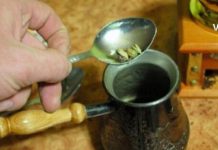
Place the herbs in a heat-resistant container (glass or enamel pot).
Pour 2 cups of boiling water over the herbs.
Simmer for 1–2 minutes, then remove from heat.
Cover and let it steep for 15–20 minutes.
Strain and drink warm.
Drink 1 cup in the morning and 1 cup in the evening for a gentle cleansing effect.
Lemon Juice Enema – An Additional Option
If you prefer a more direct cleansing approach, a lemon juice enema can be helpful. Lemon juice contains citric acid, which helps prevent the growth of fungal organisms (such as candida) in the folds of the intestines.
How It Works
Citric acid changes the pH level in the colon, creating an environment that is unfavorable for harmful microbes, while still being safe for beneficial bacteria when used occasionally.
Benefits of Natural Colon Cleansing
Removes accumulated toxins and waste
Improves digestion and nutrient absorption
Boosts energy levels
Supports skin health
Reduces bloating and discomfort
Important Safety Tips
Always consult your doctor before starting any cleansing regimen, especially if you have chronic illnesses.
Do not overuse enemas; rely on diet and herbs for long-term health.
Stay hydrated—drink plenty of water during cleansing.
Include fiber-rich foods like fruits, vegetables, and whole grains to maintain colon health naturally.
Lifestyle Habits for a Healthy Colon
Eat More Fiber: Whole grains, fruits, and vegetables keep things moving in your intestines.
Stay Active: Regular exercise supports bowel function.
Drink Enough Water: Dehydration slows digestion and leads to constipation.
Limit Processed Foods: Too many chemicals and low-fiber diets cause buildup in the colon.
Probiotics: Yogurt, kefir, or supplements help restore healthy gut bacteria.
Final Thoughts
Your colon works hard every day to keep your body clean and balanced. By supporting it with natural remedies like herbal teas and lemon juice enemas (used wisely), you can maintain a healthy digestive system without harsh chemicals or expensive treatments.
Remember: Good digestion equals good health. Start with small, natural changes, and your body will thank you!