













Cough Remedy – Especially Beneficial for Smokers
Coughing is a natural reflex through which the body attempts to clear the airways of mucus, irritants, dust, smoke, or other foreign particles. While it can sometimes be bothersome or even painful, in most cases a cough is simply a symptom of the body’s self-cleaning process rather than a sign of a serious illness.

Coughs can be dry or productive (wet):
Dry cough: This type does not produce mucus or phlegm. It is often triggered by irritation or inflammation of the upper respiratory tract. People with a dry cough often describe a tickling or scratching sensation in the throat that leads to repeated coughing fits. Inflammation and swelling of the throat lining are usually the cause. Dry cough is common in viral infections, allergic reactions, or after exposure to smoke and dust.
Wet (productive) cough: This type produces mucus (phlegm), which helps remove irritants, bacteria, or other harmful particles from the respiratory tract. While more uncomfortable to deal with, it is actually a sign that the body is actively trying to clean and heal itself.
Most coughs improve within two to three weeks without medical intervention. However, if a cough is persistent, worsening, or accompanied by symptoms such as shortness of breath, chest pain, or blood in the mucus, it’s important to consult a doctor to rule out more serious conditions.
For smokers, cough is particularly common due to the constant irritation of the airways by cigarette smoke. Over time, this can lead to a buildup of mucus in the lungs, which triggers the “smoker’s cough” – often worse in the morning. While quitting smoking is the most effective way to resolve this, using natural remedies can help relieve discomfort, clear mucus, and soothe irritated airways.
Below is an easy, natural remedy that can significantly reduce coughing, whether it’s due to smoking, colds, or seasonal irritants.
Natural Anti-Cough Syrup Recipe
Ingredients You’ll Need:
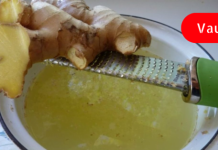
Fresh ginger root – ¼ cup (finely chopped or grated)
Elecampane root – ¼ cup (dried, chopped)
Fresh lemon juice – ¼ cup
Cinnamon – 1 tablespoon
Honey – 1 cup (preferably raw, unprocessed honey for maximum benefits)
Filtered water – 250 ml (1 cup)
Why These Ingredients Work:
Ginger
Ginger contains natural compounds called gingerols and shogaols, which have powerful anti-inflammatory, antimicrobial, and antioxidant properties.
It soothes throat irritation, reduces inflammation in the airways, and has mild expectorant effects, helping to loosen mucus.
It also stimulates circulation, warming the body and supporting the immune system.
Elecampane Root
A traditional herb for respiratory conditions, elecampane has been used for centuries to treat coughs, bronchitis, and chest congestion.
It contains inulin (a natural prebiotic), which supports gut health, and alantolactone, known for its antibacterial and antifungal effects.
Most importantly, it acts as an expectorant, helping to loosen thick mucus and make it easier to cough up.
Lemon Juice
High in vitamin C, lemon juice boosts immune function.
Its natural acidity helps break down mucus, and its antibacterial qualities help fight infections in the throat.
Lemon also adds a refreshing flavor that balances the strong herbal taste.
Cinnamon
Cinnamon is both antimicrobial and anti-inflammatory.
It supports circulation and provides a natural warming effect, which can help relieve cold-related symptoms.
Its aromatic oils also help soothe the respiratory tract.
Honey
A well-known natural cough remedy, honey coats the throat, reducing irritation and calming cough reflexes.
It contains antibacterial enzymes that can fight mild infections.
It is also a natural humectant, keeping the throat moist and comfortable.
Filtered Water
Used as the base to extract the beneficial compounds from the herbs and roots.
Ensures a clean, chemical-free preparation.
Step-by-Step Preparation Method:
Prepare the ingredients
Wash the ginger root thoroughly, then peel and finely chop or grate it.
Measure out ¼ cup of dried elecampane root.
Squeeze fresh lemons to get ¼ cup of juice (remove seeds).
Boil the herbs
Pour 250 ml (1 cup) of filtered water into a medium-sized saucepan.
Add the chopped ginger and elecampane root.
Bring to a gentle boil over medium heat.
Simmer
Once boiling, reduce the heat to low.
Simmer for 15–20 minutes to allow the active compounds to infuse into the water.
Strain
After simmering, strain the liquid into a heatproof bowl or measuring cup to remove the solid herbs.
Add remaining ingredients
While the liquid is still warm but not boiling hot (to preserve nutrients), add the cinnamon, lemon juice, and honey.
Stir gently until fully dissolved.
Store
Transfer the syrup into a glass jar or bottle with a tight-fitting lid.
Store in the refrigerator for up to 3 weeks.
How to Use the Remedy:
Dosage: Take 1 tablespoon three times a day.
For children: Give 1 teaspoon up to three times a day.
Best taken between meals or before bedtime to soothe coughing at night.
If you have a dry cough, you can enhance this recipe by adding 1 tablespoon of dried peppermint leaves during the simmering stage. Peppermint’s menthol content naturally relaxes the throat muscles and helps open the airways.
Additional Tips for Smokers:
Stay well hydrated to help thin mucus.
Avoid smoking while using this remedy for maximum benefit.
Consider adding steam inhalation with eucalyptus oil once or twice daily to further clear the lungs.
Combine with a diet rich in fresh fruits, vegetables, and antioxidants to support lung healing.
Why This Remedy is Effective:
This syrup works on multiple levels:
Soothes irritation in the throat and airways (honey, cinnamon, lemon).
Loosens mucus so it can be expelled more easily (elecampane, ginger).
Fights bacteria and viruses that may cause respiratory infections (ginger, honey, lemon, cinnamon).
Reduces inflammation in the respiratory tract, making breathing easier (ginger, cinnamon).
By combining traditional herbal medicine with nutrient-rich ingredients, you get a balanced natural formula that can help both acute and chronic coughs, especially those aggravated by smoking.